Parrots, with their captivating intelligence and vibrant personalities, require specific approaches to training and positive reinforcement. This guide delves into the intricacies of rewarding your parrot, exploring various methods and strategies tailored to individual needs. Understanding parrot behavior is crucial for effective reward systems, as each species and individual presents unique characteristics.
From understanding a parrot’s specific behavioral patterns to designing a tailored reward system, this comprehensive guide provides a practical roadmap for successful parrot training. It emphasizes the importance of positive reinforcement and the avoidance of common pitfalls. We’ll explore tangible and intangible rewards, and discuss the crucial role of consistency and observation in shaping your parrot’s learning journey.
Understanding Parrot Behavior
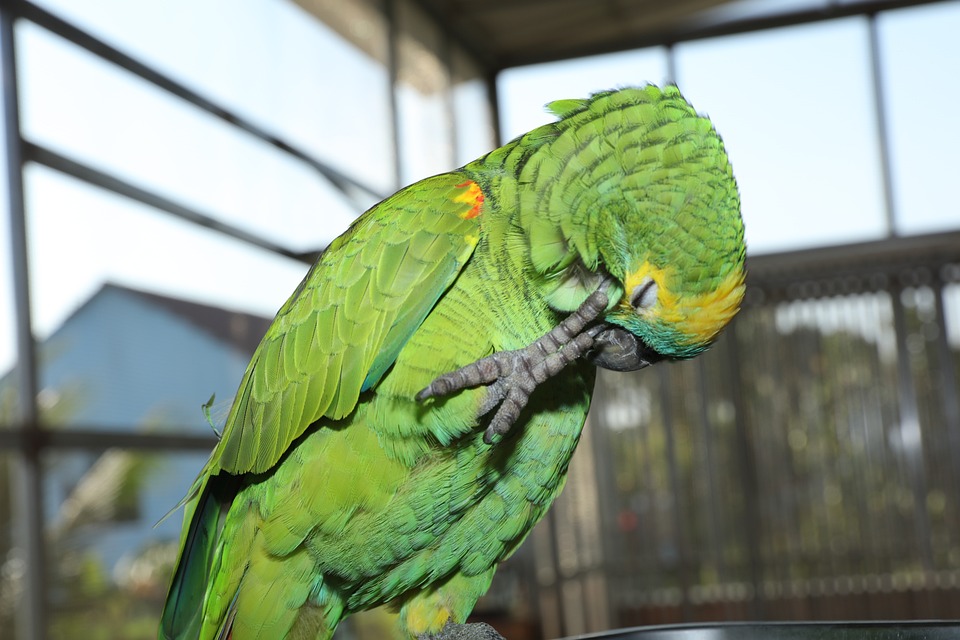
Parrots, renowned for their intelligence and captivating personalities, exhibit a wide range of behaviors. A deep understanding of these behaviors is crucial for providing appropriate care and effective reward systems. This section delves into the nuances of parrot species, individual differences, and common behavioral challenges, providing a framework for successful interaction and training.Understanding a parrot’s individual needs and motivations is paramount to creating a rewarding experience.
Their varied behaviors are shaped by a complex interplay of genetics, environment, and experience. Successfully addressing behavioral challenges and fostering positive interactions hinges on a comprehensive understanding of these influences.
Parrot Species and Behavioral Patterns
Different parrot species possess distinct behavioral traits. African Grey parrots, for instance, are known for their exceptional vocal abilities and problem-solving skills. Macaws, on the other hand, often display boisterous and energetic personalities, requiring significant space and attention. Understanding these inherent tendencies is critical when designing reward strategies.
Factors Influencing Parrot Behavior
Parrot behavior is influenced by several key factors. Age plays a significant role; younger parrots are often more receptive to new experiences, while older birds may exhibit established patterns. Breed-specific tendencies also shape behavior, although individual personalities can vary even within the same breed. For instance, a specific cockatoo may be more playful than others. The parrot’s environment, including the presence of other animals and the quality of social interaction, also profoundly influences their behavior.
Common Behavioral Issues and Reward Systems
Several behavioral issues can arise in parrots, including aggression, excessive vocalization, or self-destructive behaviors. These issues can often be linked to environmental factors or unmet needs. A carefully constructed reward system can address these concerns by associating desirable behaviors with positive reinforcement. For example, rewarding quiet behavior can help reduce excessive vocalization.
Observing Natural Behaviors
Prior to implementing any reward system, it is essential to observe a parrot’s natural behaviors. This includes noting their preferred activities, social interactions, and communication patterns. By understanding their baseline behavior, you can tailor rewards to encourage specific actions. A parrot that enjoys foraging for food might respond well to puzzle feeders as rewards.
Comparison of Parrot Species and Reward Responses
| Species | Typical Behaviors | Typical Responses to Rewards |
|---|---|---|
| African Grey | Intelligent, vocal, playful | Food treats, problem-solving toys, social interaction |
| Macaw | Energetic, loud, demanding | Large-scale foraging toys, environmental enrichment, varied and stimulating play |
| Cockatoo | Playful, inquisitive, intelligent | Puzzle toys, novel objects, social interaction with humans |
| Amazon | Active, curious, vocal | Variety of food treats, foraging toys, interactive games |
Understanding the diverse needs of each species, combined with careful observation of individual behavior, is essential for creating a reward system that resonates with the bird. The table above provides a general overview; individual parrots may respond differently based on their unique experiences and personalities.
Types of Rewards
Positive reinforcement is a cornerstone of effective parrot training. Understanding different reward types, and how to apply them appropriately, is crucial for successful interactions and the well-being of your feathered friend. Choosing the right reward, and using it in the right way, strengthens desired behaviors and builds a positive learning environment.Rewarding a parrot goes beyond simply providing treats.
It involves understanding the nuances of both tangible and intangible rewards, and how to effectively integrate them into a comprehensive training regimen. A tailored approach, considering individual parrot personalities and motivations, is essential for optimal results.
Positive Reinforcement Methods
Understanding the diverse range of positive reinforcement methods available allows for a highly personalized approach to training. This understanding is essential for crafting a rewarding experience for both the parrot and the owner. A variety of methods, including tangible and intangible rewards, can be effectively combined to maintain engagement and reinforce desired behaviors.
- Tangible Rewards: These include food items, such as seeds, nuts, fruits, and vegetables. Parrots are highly motivated by these physical rewards, making them a crucial component of training programs.
- Intangible Rewards: These encompass non-physical forms of reinforcement, such as praise, attention, and play. These rewards cater to the social and emotional needs of parrots, and are vital in fostering a strong bond.
- Environmental Enrichment: Providing stimulating environments can be a potent reward. Toys, foraging opportunities, and interactive elements offer parrots mental stimulation and can serve as powerful motivators.
Tangible vs. Intangible Rewards
Choosing between tangible and intangible rewards requires careful consideration of the individual parrot. The optimal approach often involves a combination of both types.
Tangible rewards, like treats, are immediately gratifying and easily understood by parrots. They are particularly effective for training new behaviors or reinforcing existing ones. However, relying solely on treats can lead to potential over-reliance on food as a reward and may not fully address the parrot’s emotional and social needs. Intangible rewards, such as praise and attention, fulfill the parrot’s need for social interaction and recognition, contributing to a more well-rounded reward system.
Importance of Variety in Rewards
A diverse reward system is key to keeping parrots engaged and motivated. Presenting a variety of rewards helps prevent boredom and maintains the novelty of the training process. Rotating reward types prevents a parrot from becoming overly reliant on a single type of reward.
This is vital because parrots are not always motivated by the same thing. What motivates one parrot may not resonate with another. This emphasizes the need to understand the individual needs and preferences of each parrot. This understanding is essential for tailoring the reward system to the specific parrot.
Understanding Individual Parrot Motivation
Each parrot possesses unique characteristics, preferences, and motivations. This individuality dictates the optimal reward strategy. Understanding a parrot’s preferences is paramount to creating a reward system that is both effective and engaging. Observing a parrot’s natural behaviors and responses to different stimuli is crucial for identifying their motivations.
Designing a Tailored Reward System
Tailoring a reward system to an individual parrot involves careful observation and experimentation. A structured approach, based on the parrot’s responses, is essential.
- Observation: Pay close attention to the parrot’s reactions to various stimuli, including different types of food, activities, and interactions.
- Experimentation: Introduce various rewards and note which ones elicit the strongest positive responses.
- Consistency: Once a suitable reward system is established, maintain consistency in its application to reinforce desired behaviors.
Reward Options Table
This table offers a starting point for selecting appropriate rewards, categorized by type and suitability for different parrot species. This table provides examples, but it is essential to adapt these options to individual parrots.
| Reward Type | Description | Suitable Species (Examples) | Considerations |
|---|---|---|---|
| Treats | Seeds, nuts, fruits, vegetables | Most parrot species | Consider dietary needs, allergies, and portion sizes. |
| Praise/Attention | Verbal praise, gentle petting, eye contact | All parrot species | Crucial for emotional well-being. |
| Playtime | Interactive toys, foraging opportunities, social interaction | All parrot species | Encourages mental and physical stimulation. |
| Environmental Enrichment | New toys, climbing structures, foraging opportunities | All parrot species | Stimulates curiosity and problem-solving. |
Designing a Reward System
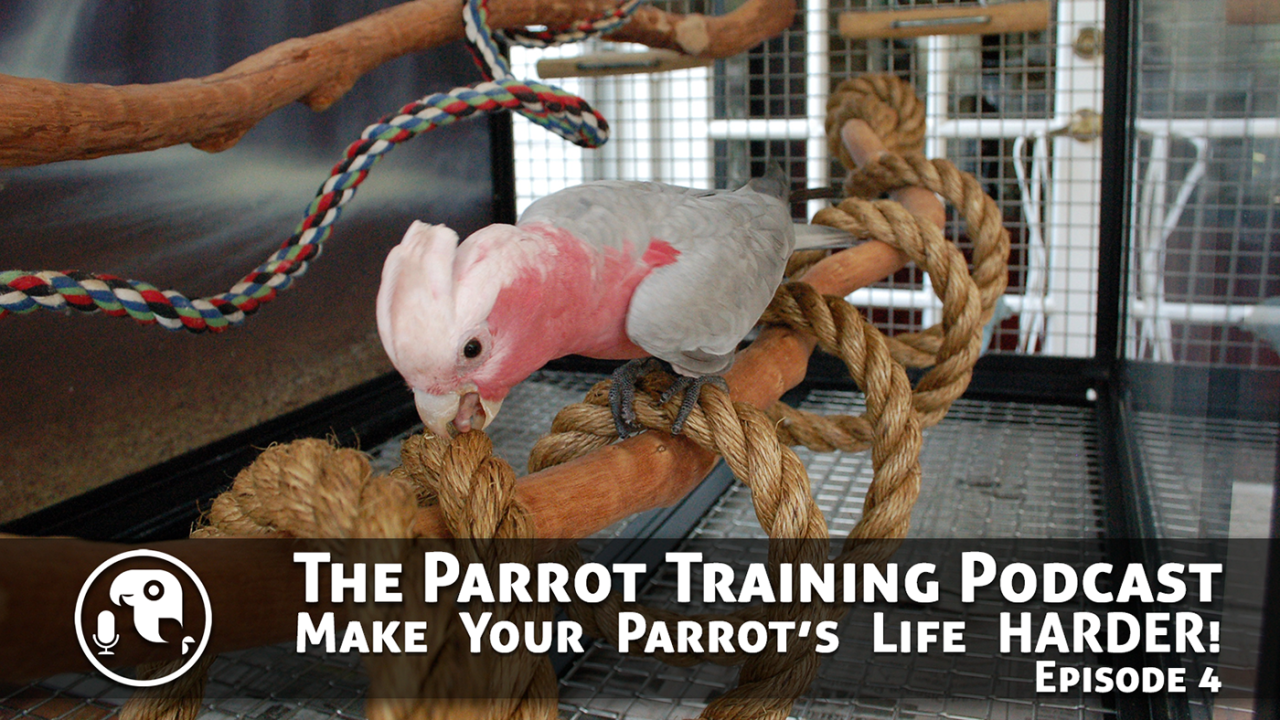
A well-structured reward system is crucial for effective parrot training. It fosters positive reinforcement, strengthens the bond between owner and parrot, and helps shape desirable behaviors. This section delves into the specifics of designing such a system, emphasizing consistency, and avoiding unintended consequences.A successful reward system for parrots is not a one-size-fits-all approach. It must be tailored to the individual parrot’s personality, learning style, and preferences.
By understanding these nuances, owners can create a program that is both effective and enjoyable for everyone involved.
Steps in Creating a Structured Reward System
A structured reward system provides a clear framework for positive reinforcement. This process ensures consistency and helps to shape the parrot’s behavior effectively. Key steps include:
- Identifying Target Behaviors: Precisely define the behaviors you want to encourage. For example, instead of “talking,” specify “repeating a specific word or phrase.” Clear definitions prevent ambiguity and allow for accurate tracking of progress.
- Selecting Appropriate Rewards: Choose rewards that are highly motivating for your parrot. These could be treats, toys, or even verbal praise. Consider your parrot’s preferences, ensuring the rewards are consistently appealing.
- Establishing a Reward Schedule: A reward schedule determines when and how often rewards are given. Different schedules (fixed ratio, variable ratio, etc.) produce different results, as explained below. Experiment to find the most effective approach for your parrot.
- Ensuring Consistency: Consistency is paramount. Rewarding the desired behavior every time it occurs, regardless of other factors, reinforces the link between the behavior and the reward.
- Monitoring Progress: Regularly assess the effectiveness of the reward system. Adjust the system as needed to maintain motivation and progress.
Reward Schedules and Their Effects
Different reward schedules can significantly impact a parrot’s learning and motivation.
| Schedule Type | Description | Potential Effects on Parrot Behavior |
|---|---|---|
| Fixed Ratio | Rewarding a behavior after a set number of occurrences. | Can lead to a high rate of responding, but the response rate may decrease when the reward is no longer provided. |
| Variable Ratio | Rewarding a behavior after a varying number of occurrences. | Produces a high and consistent response rate, as the parrot never knows when the reward will come. This schedule is often very effective for maintaining learned behaviors. |
| Fixed Interval | Rewarding a behavior after a set amount of time. | Results in a lower response rate, with responses tending to increase as the reward time approaches. |
| Variable Interval | Rewarding a behavior after a varying amount of time. | Produces a moderate, steady response rate. |
Note: The choice of schedule will depend on the specific behavior and the parrot’s learning style. For instance, a variable ratio schedule might be ideal for maintaining a parrot’s talking habits, while a fixed ratio schedule might be more effective for teaching a new trick.
Avoiding Rewarding Unwanted Behaviors
Carefully avoiding rewarding unwanted behaviors is just as important as rewarding desired ones. Accidental reinforcement can inadvertently strengthen unwanted actions. To prevent this, consider:
- Ignoring the Unwanted Behavior: Ignoring inappropriate behaviors prevents them from being reinforced.
- Distraction: Redirecting the parrot’s attention to a desired activity can prevent them from engaging in unwanted ones.
- Offering an Alternative: Providing a suitable alternative behavior that fulfills the same need or desire as the unwanted one can be helpful.
Step-by-Step Guide for Implementing a Reward System
This guide provides a systematic approach to establishing a reward system:
- Define the Target Behavior: Clearly specify the desired behavior.
- Select Motivational Rewards: Choose rewards that are highly appealing to your parrot.
- Establish a Reward Schedule: Decide on the schedule type (e.g., fixed ratio, variable ratio).
- Introduce the Reward: Consistently reward the desired behavior each time it occurs.
- Monitor Progress: Regularly assess the effectiveness of the reward system and make adjustments as needed.
- Avoid Unwanted Reinforcement: Carefully avoid rewarding any unwanted behaviors.
Implementing and Monitoring
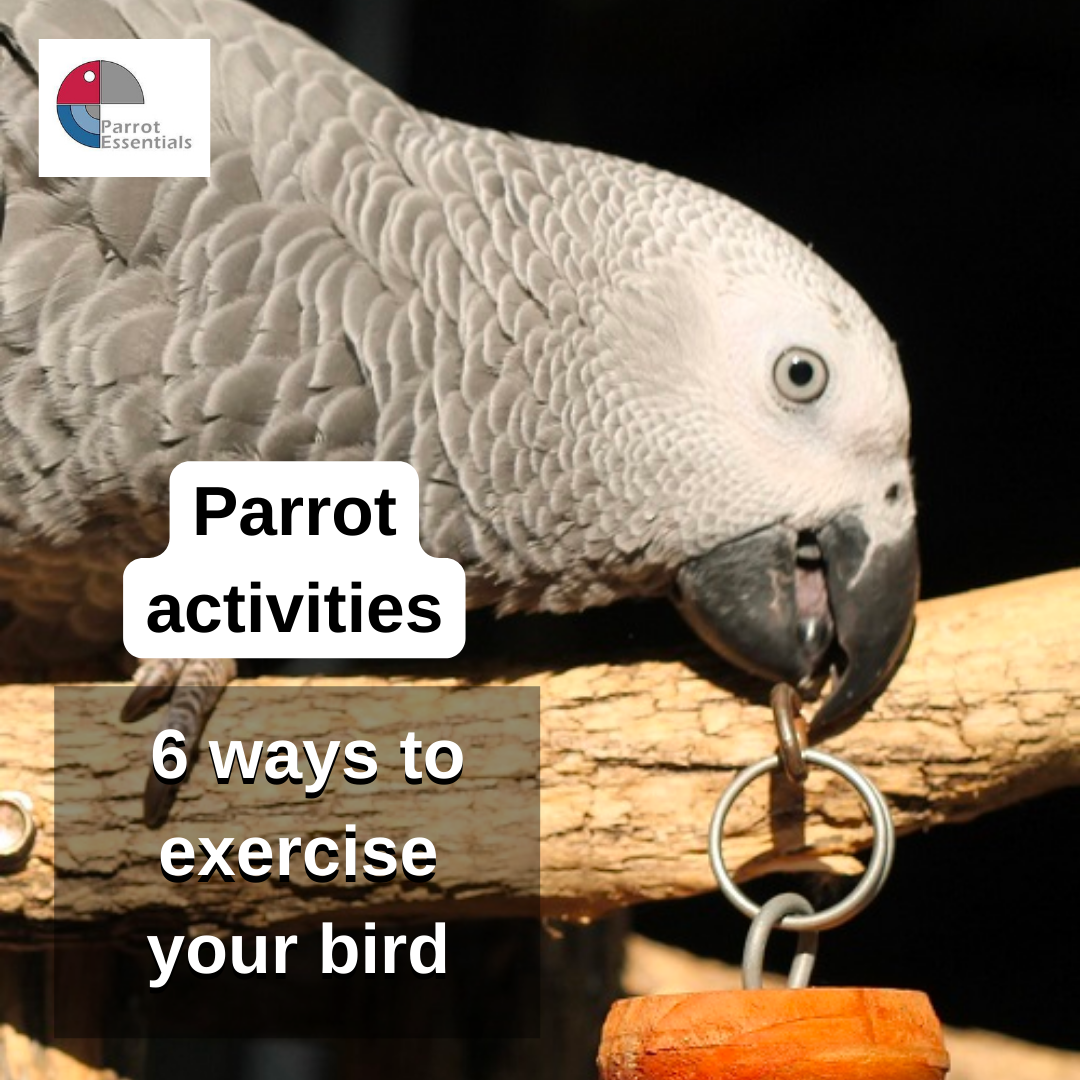
Rewarding a parrot effectively involves more than just providing treats. A well-structured reward system requires careful implementation and consistent monitoring to ensure the parrot understands the desired behavior and the training remains engaging. This section details how to execute and track the effectiveness of your reward strategy.Implementing a reward system involves more than just handing out treats. It necessitates a precise understanding of timing, frequency, and delivery methods to maximize the parrot’s learning experience.
Careful observation and adaptation based on the parrot’s response are crucial for a successful training program.
Effective Reward Delivery
Delivering rewards during training sessions requires a calm and focused approach. Avoid sudden movements or loud noises that might startle the parrot. Rewards should be presented clearly and promptly, ideally within one to two seconds of the desired behavior. This close association reinforces the connection between the action and the reward. The reward should be presented in a way that is readily accessible to the parrot, such as placing it in a clear bowl or on a perch within its reach.
Timing and Frequency of Rewards
The timing and frequency of rewards significantly influence the parrot’s learning process. Immediate rewards are most effective as they create a strong association between the desired behavior and the consequence. Initially, rewards should be frequent to reinforce the new behavior. As the parrot demonstrates proficiency, the frequency of rewards can be gradually reduced. This process is crucial to avoid the parrot associating the reward with every action, which can hinder progress.
A consistent schedule for rewards will help the parrot understand and anticipate the training process.
Gradual Reduction of Reward Frequency
As the parrot learns the desired behavior, the frequency of rewards should be reduced gradually. This process, known as fading, strengthens the connection between the behavior and the reward, making the parrot less reliant on the immediate gratification. A common method is to use a variable reward schedule, meaning the parrot does not know when it will receive a reward.
This helps maintain the parrot’s interest and motivation. For instance, if the parrot initially receives a reward every time it performs the desired behavior, the schedule could transition to a reward every other time, then every third time, and so on.
Monitoring the Effectiveness of the Reward System
Monitoring the parrot’s progress is essential to adjust the reward system as needed. Careful observation is key to determine if the current reward strategy is effective. Observe the parrot’s response to the reward, looking for signs of excitement or disinterest. Note the parrot’s willingness to repeat the behavior without a reward. Changes in behavior, like a decrease in enthusiasm or reluctance to perform the desired behavior, could indicate that the reward system needs modification.
Modifying the Reward System Based on Observations
Modifying the reward system is an iterative process. If the parrot seems less motivated, consider adjusting the type of reward, its frequency, or the presentation method. If the parrot is over-reliant on the reward, reducing the frequency or introducing a variable reward schedule could be beneficial. Observations are critical for making informed adjustments. For example, if a parrot initially responds enthusiastically to a specific treat, but later shows less interest, changing to a different treat or incorporating a variety of treats could reinvigorate the training.
Methods for Monitoring and Adjusting the Reward System
| Monitoring Method | Description | Adjustment |
|---|---|---|
| Frequency of Desired Behavior | Track how often the parrot performs the target behavior. | Increase reward frequency if the behavior is infrequent; reduce frequency if it is performed too often. |
| Parrot’s Response to Rewards | Observe the parrot’s reaction (e.g., excitement, indifference). | Change reward type, frequency, or delivery method if the parrot loses interest. |
| Time to Complete the Task | Measure the time it takes for the parrot to complete the desired behavior. | Adjust training difficulty or reward frequency if the task takes too long or too little time. |
| Willingness to Repeat Without Reward | Assess the parrot’s willingness to perform the behavior without an immediate reward. | Gradually reduce reward frequency if the parrot consistently performs the behavior without prompting. |
Avoiding Common Mistakes
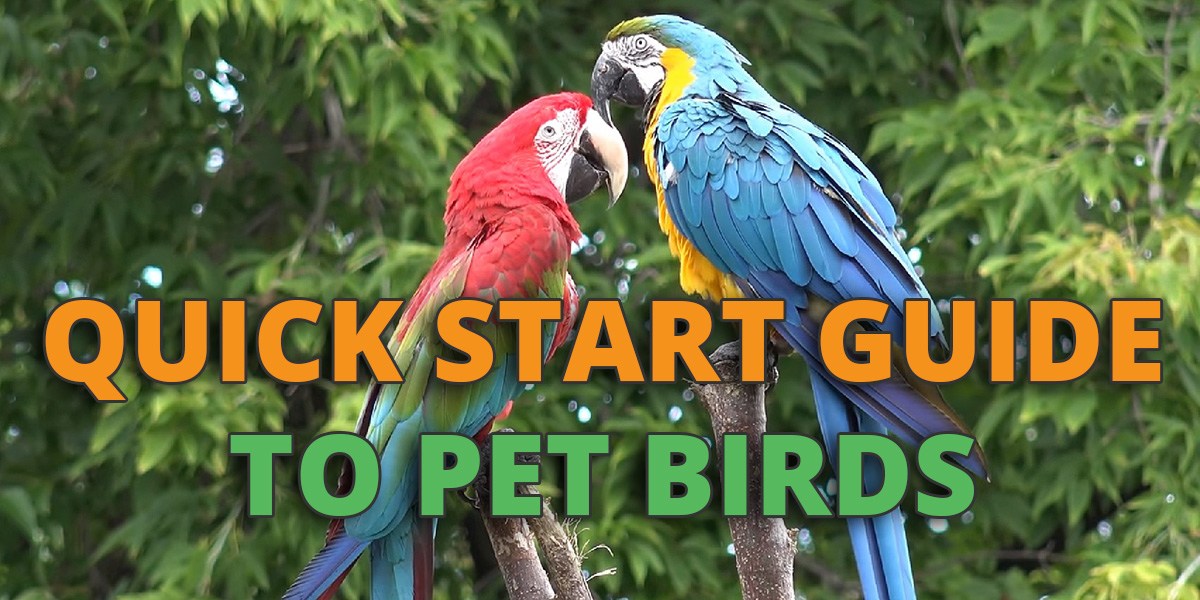
Reward training for parrots, like any training method, requires careful consideration to avoid inadvertently hindering progress. Understanding common pitfalls and implementing strategies to circumvent them is crucial for successful outcomes. By recognizing potential errors and adopting proactive measures, you can ensure your parrot’s learning experience remains positive and productive.
Common Pitfalls in Reward Training
Reward training for parrots can be significantly impacted by several common pitfalls. Failure to consider these nuances can lead to frustration for both you and your feathered friend. Inconsistency in rewards and expectations, inadvertently rewarding unwanted behaviors, and misinterpreting parrot cues are all factors that can diminish the effectiveness of the training process.
Avoiding Inadvertent Reinforcement of Unwanted Behaviors
Parrots are intelligent and observant. They quickly learn to associate actions with consequences. If a desired behavior is not consistently reinforced, while unwanted behaviors are rewarded, even inadvertently, the parrot may become confused or exhibit inappropriate responses. Carefully monitoring the parrot’s reactions and actions during training sessions is essential. This includes recognizing subtle cues that indicate an unwanted behavior and ensuring that these behaviors are not accidentally reinforced.
Importance of Consistency in Rewards and Expectations
Consistency is paramount in any training program. Parrots thrive on predictable routines and clear expectations. Inconsistency in reward delivery or in the criteria for achieving a reward can lead to confusion and hinder progress. Likewise, varying expectations regarding desired behaviors can result in a parrot struggling to understand what is being asked of them. Consistent application of the reward system is vital for positive results.
Examples of Counterproductive Rewards
Rewards that are not motivating or are perceived as irrelevant can undermine the effectiveness of the training. For instance, if a parrot is consistently rewarded with a treat it doesn’t like, or if the reward is not immediately delivered after the desired behavior, the parrot may lose interest. Likewise, excessive or inappropriate rewards can diminish the value of the reward itself.
Rewards should be tailored to the parrot’s individual preferences and motivational drivers.
Addressing Setbacks in the Reward System
Setbacks are a natural part of any learning process. If a parrot demonstrates resistance or regression in desired behaviors, it is important to assess the situation and identify potential contributing factors. Was there a change in environment? Did the reward lose its appeal? A reassessment of the reward system, including a reevaluation of the reward itself, the delivery method, or the frequency, may be necessary.
Summary of Common Mistakes and Solutions
| Common Mistake | Solution |
|---|---|
| Inadvertently rewarding unwanted behaviors | Carefully monitor parrot’s behavior, immediately redirect or ignore unwanted behaviors while reinforcing desired ones. |
| Inconsistency in rewards and expectations | Establish clear, consistent criteria for rewards. Maintain a predictable routine for training sessions. |
| Using ineffective or irrelevant rewards | Identify and use rewards that are motivating and meaningful to the parrot. |
| Insufficient attention to setbacks | Analyze potential contributing factors for regression, adjust the reward system, and seek professional guidance if needed. |
Advanced Reward Strategies
Rewarding parrots effectively goes beyond basic treats. Advanced strategies are crucial for shaping complex behaviors and addressing specific challenges. These methods leverage understanding of parrot psychology and learning principles to create a more enriching and satisfying training experience for both the parrot and the owner. This approach involves a deeper understanding of the parrot’s motivations and preferences, allowing for more nuanced and impactful interactions.
Shaping and Chaining
Shaping and chaining are powerful techniques for teaching complex tasks. Shaping involves rewarding successive approximations of the desired behavior. This method breaks down a complex action into smaller, manageable steps, rewarding each intermediate step until the final behavior is achieved. Chaining builds upon shaping by linking the learned steps together to form a complete sequence. Each step in the chain becomes a cue for the next, reinforcing the entire behavior.
For example, teaching a parrot to retrieve a specific object involves rewarding intermediate actions like approaching the object, picking it up, and bringing it to the owner, each rewarded incrementally.
Modifying Problematic Behaviors
Addressing undesirable behaviors like biting or screaming requires a careful approach. Rewards can be instrumental in redirecting these behaviors by associating them with more desirable alternatives. Understanding the root cause of the problem behavior is essential, as addressing the underlying issue is often more effective than simply punishing the unwanted behavior. For instance, a parrot screaming excessively might be due to boredom or a lack of appropriate stimulation.
Providing enrichment and engaging activities can reduce the likelihood of the problematic behavior.
Incorporating Environmental Enrichment
Environmental enrichment is integral to a successful reward system. It involves providing a stimulating and engaging environment that caters to the parrot’s natural behaviors. This could include toys, puzzles, foraging opportunities, and social interaction. By providing opportunities for natural behaviors, parrots can experience satisfaction and reduce boredom, potentially decreasing unwanted behaviors. A parrot that has access to varied and engaging activities will be less likely to resort to destructive or disruptive behaviors as a means of seeking attention or stimulation.
Table of Advanced Training Techniques
| Technique | Description | Application |
|---|---|---|
| Shaping | Rewarding successive approximations of the desired behavior | Teaching complex skills like fetching, manipulating objects, or performing tricks. |
| Chaining | Linking learned steps together to form a complete sequence | Teaching multi-step behaviors like retrieving an object and bringing it to a designated spot. |
| Modifying Problematic Behaviors | Associating desirable alternatives with undesirable behaviors | Addressing unwanted behaviors like biting, screaming, or excessive vocalization by providing engaging activities. |
| Environmental Enrichment | Providing a stimulating and engaging environment | Reducing boredom, promoting natural behaviors, and potentially decreasing problematic behaviors. |
Addressing Specific Parrot Behaviors
Reward-based training can effectively address a wide range of parrot behaviors, from unwanted vocalizations to destructive habits. By understanding the underlying causes and implementing tailored reward systems, owners can foster positive interactions and reduce problem behaviors. A key component of this approach is the careful selection and consistent application of rewards.Using rewards to shape desired behaviors involves more than just offering treats.
It requires a nuanced understanding of your parrot’s individual needs and preferences, and the ability to create a supportive environment. This is especially important when addressing problem behaviors that might stem from stress, boredom, or a lack of appropriate enrichment.
Encouraging Vocalization
Positive reinforcement can be a powerful tool for encouraging vocalizations in parrots. For example, if your parrot rarely vocalizes, offer a high-value treat immediately after it makes a sound, no matter how small. Gradually increase the criteria for rewarding vocalization, perhaps by requiring a longer duration of vocalization or a specific type of vocalization. Consistency is key; rewarding every instance of the desired behavior, even if subtle, reinforces the connection between the sound and the reward.
Promoting Calm Behavior
Parrots, like all animals, may exhibit anxious or agitated behavior. Rewards can be used to reinforce calm behavior. Create a calming environment, and offer a small, high-value reward when the parrot displays relaxed postures or quiet behavior. For example, a gentle coo or a soft, quiet interaction could be reinforced with a reward. Consistency in rewarding calm behavior can help establish a positive association between quiet moments and favorable outcomes.
Rewarding Desired Interactions
To encourage positive interactions between owner and parrot, identify specific actions you want to reinforce. For example, if you want your parrot to step up onto your hand, reward it with a treat immediately after it does so. Using hand signals or verbal cues can help the parrot understand what is expected. Gradually increase the criteria for the reward, for example, requiring the parrot to stay on your hand for a longer duration.
Incorporating Rewards into a Routine
A well-structured routine can be instrumental in addressing problem behaviors. For instance, if your parrot is exhibiting aggression during mealtime, incorporate a rewarding activity, like a play session, immediately after mealtime. This can help associate the mealtime with positive experiences, potentially reducing aggressive behaviors. It’s essential to understand that consistency is paramount, and the reward should be delivered immediately after the desired behavior.
Addressing Aggression and Destructive Behaviors
Aggression and destructive behaviors can stem from various factors. Identifying the root cause is crucial before implementing a reward system. If aggression is linked to territory, for example, creating a separate area for the parrot may be helpful. If aggression arises from boredom, enriching the environment with toys and stimulating activities is vital. Rewards can reinforce calm and appropriate behaviors.
A high-value treat immediately following a calm interaction can help establish a positive association.
Table of Behavioral Issues and Reward-Based Solutions
| Behavioral Issue | Reward-Based Solution |
|---|---|
| Aggression (during mealtime) | Introduce a play session immediately after mealtime, rewarding calm behavior during and after the session. |
| Destructive chewing | Provide appropriate chew toys. Reward calm behavior and interaction with the toys. |
| Lack of vocalization | Reward any vocalization, gradually increasing the criteria for reward (duration, type). |
| Anxiety/Agitation | Create a calming environment and reward relaxed postures and quiet behavior. |
| Inappropriate Interactions (biting) | Distract the parrot with a preferred toy or activity. Reward calm and appropriate interactions. |
Wrap-Up
In conclusion, rewarding a parrot effectively requires a deep understanding of their unique behaviors and motivations. This guide provides a comprehensive framework for designing, implementing, and monitoring a personalized reward system. By carefully considering individual needs, employing a variety of rewards, and maintaining consistency, you can foster a positive and rewarding relationship with your feathered companion. The key is to create a structured environment that supports learning and encourages desired behaviors through positive reinforcement.