Leash training a parrot can be a rewarding experience, fostering a deeper bond and providing opportunities for enriching adventures. This comprehensive guide delves into the essential aspects of parrot leash training, from initial bonding to advanced techniques. It emphasizes positive reinforcement methods, safety precautions, and strategies for overcoming common challenges. Understanding the specific needs of your parrot is paramount, ensuring a successful and enjoyable training journey.
This guide covers everything from selecting the right equipment to establishing a strong bond with your feathered friend. By understanding the nuances of parrot behavior and using appropriate techniques, you can confidently embark on this enriching journey, ultimately creating a strong and fulfilling relationship with your parrot.
Introduction to Leash Training for Parrots
Leash training can be a rewarding experience for both parrot owners and their feathered companions, fostering a stronger bond and enriching their lives. This method allows for controlled exploration, enhanced socialization opportunities, and a greater sense of security for the parrot, especially in unfamiliar environments. Proper training, however, requires a deep understanding of parrot behavior and a commitment to positive reinforcement techniques.Positive reinforcement methods are crucial for effective parrot training, as parrots are intelligent and sensitive creatures.
This approach focuses on rewarding desired behaviors rather than punishing unwanted ones. By consistently associating a specific action with a positive reward, parrots quickly learn to associate the action with a positive outcome. This not only makes training more enjoyable but also creates a more trusting and cooperative learning environment.
Suitable Parrot Types for Leash Training
Parrots of various types can be successfully leash trained, though certain breeds are more amenable to this type of training than others. Factors such as temperament, intelligence, and willingness to learn are crucial considerations. Species known for their trainability and relatively calm demeanor, like African Greys, Amazons, and some smaller species, are often good candidates. However, it’s crucial to acknowledge that every parrot is an individual, and success depends on the specific bird’s personality and the training methods used.
Importance of Positive Reinforcement
Positive reinforcement methods are essential for effective leash training, building trust, and establishing a positive learning environment. This approach emphasizes rewarding desired behaviors, like stepping onto the leash or remaining calm during walks, with treats, praise, or toys. This approach avoids punishment, which can be detrimental to the bird’s well-being and trust in the owner. Positive reinforcement helps parrots associate the leash with positive experiences, making the training process enjoyable for both parties.
Potential Challenges in Leash Training
While leash training can be highly beneficial, it is important to anticipate potential challenges. Parrots may exhibit resistance or fear during the initial stages of training, which is a natural response to something unfamiliar. Consistency in training and patience are key to overcoming these challenges. Understanding the parrot’s body language and responding appropriately to signs of discomfort or anxiety are also important.
Parrots may also exhibit behaviors such as screaming, biting, or pulling against the leash. These issues can be addressed through careful observation, understanding the cause of the behavior, and adjusting the training methods accordingly.
Safety Precautions During Training
Safety is paramount during leash training. Ensure the leash is securely fastened and properly fitted to the parrot’s harness. The leash should be lightweight and flexible enough to allow for natural movement while preventing any risk of injury. Always supervise the parrot closely during walks, ensuring the environment is safe and free from potential hazards. Be prepared to adjust the training schedule or method if the parrot shows signs of discomfort or fear.
Properly secured leashes, harnesses, and appropriate training environments are critical. A trained observer can identify early signs of distress, allowing for immediate intervention.
Important Considerations for Success
- Consistency: Maintaining a consistent training schedule and approach is vital. Regular sessions, even if short, are more effective than sporadic, long sessions. Inconsistency can confuse the parrot and hinder progress.
- Patience: Leash training requires patience. Every parrot learns at its own pace. Celebrate small successes and avoid frustration when progress seems slow. Remember that each parrot is an individual, and success will come with patience and understanding.
- Positive Reinforcement: Rewards, such as treats, praise, and toys, should be readily available to reinforce desired behaviors. This motivates the parrot and creates a positive association with the leash.
Equipment and Supplies
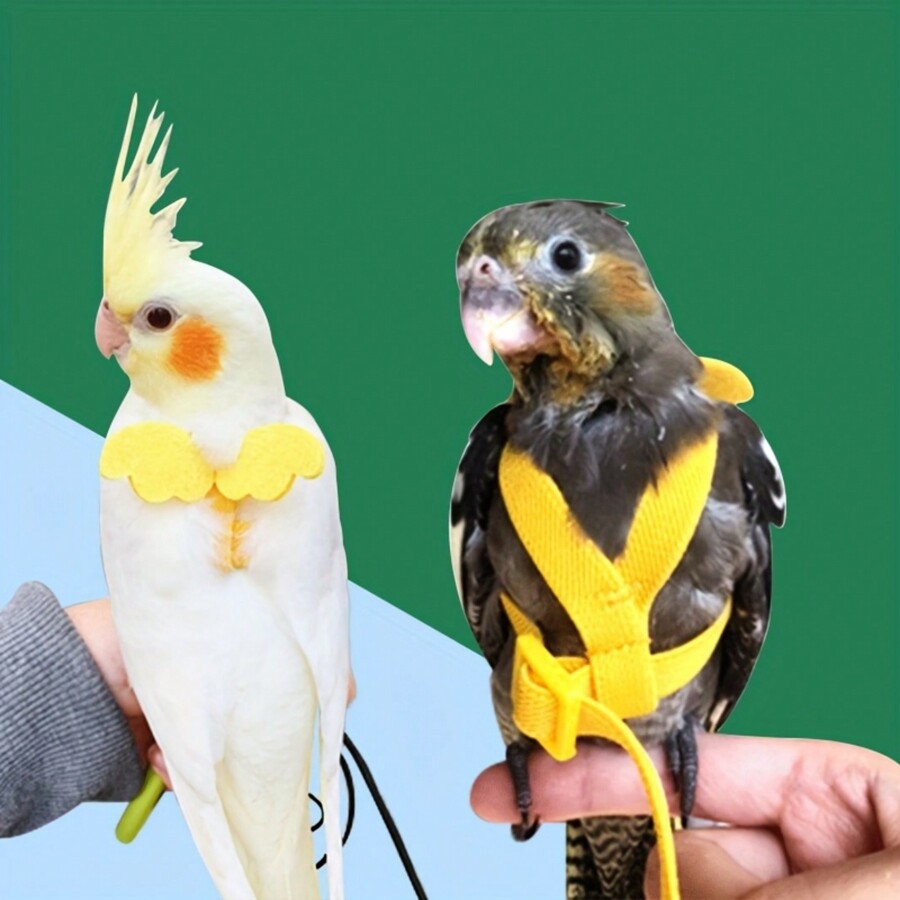
Proper equipment is crucial for successful parrot leash training. It ensures the parrot’s comfort and safety while facilitating a positive learning experience. Careful selection of leashes, harnesses, and treats is essential for a smooth training process. The right tools can make all the difference in building a strong bond and fostering a positive relationship with your feathered friend.
Essential Equipment for Parrot Leash Training
Selecting the appropriate equipment is paramount for a successful and enjoyable training experience. The following table Artikels the essential items and their considerations.
| Item | Description | Size/Type Recommendations |
|---|---|---|
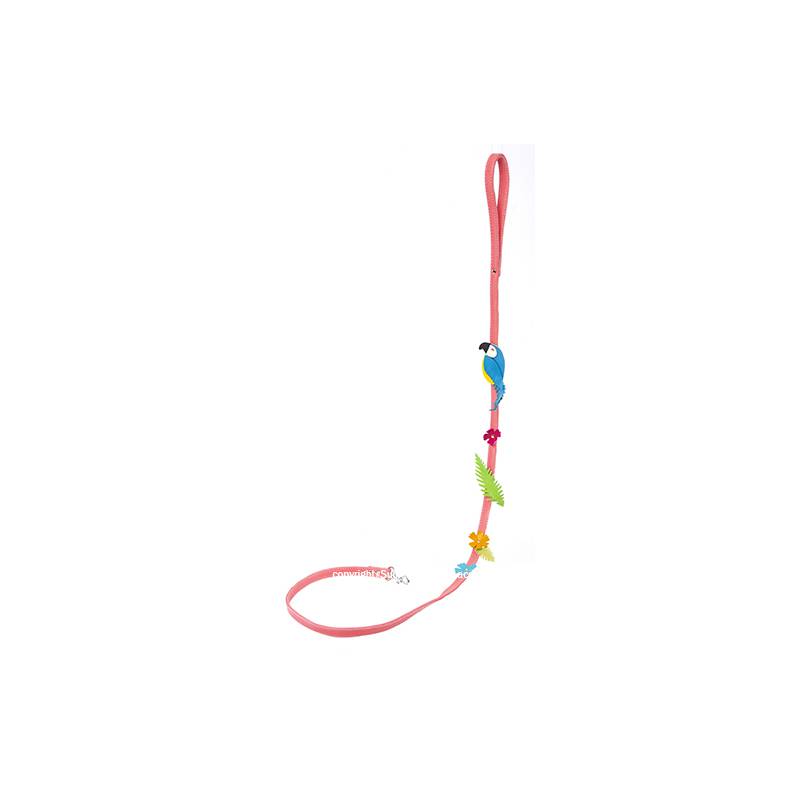
| Leash | A leash provides the necessary control for guiding the parrot during training sessions. | Lightweight, adjustable nylon or braided leashes are ideal. Consider a length appropriate for the size and activity level of the parrot. |
| Harness | A harness is a critical component for attaching the leash and providing secure support. | Choose a well-fitting harness designed specifically for birds, with secure buckles and adjustable straps. Ensure it doesn’t restrict movement. |
| Treats | Positive reinforcement is key in parrot training, and treats play a vital role. | Use small, high-value treats that your parrot enjoys. Variety is recommended to keep training sessions engaging. |
| Treat Pouch | A treat pouch or container allows easy access to treats during training. | Choose a pouch or container that’s easy to access and won’t impede your movements. |
| Clicker (Optional) | A clicker reinforces desired behaviors. | A small, handheld clicker is ideal. It should be easy to use and produce a distinct sound. |
Harness Designs and Their Considerations
Different harness designs offer varying degrees of comfort and security. Understanding their advantages and disadvantages is important.
- Standard Harnesses: These harnesses are generally simple and affordable. They typically feature a chest strap and a belly strap, providing a secure fit. Pros: relatively inexpensive and straightforward to use. Cons: may not be as comfortable for some parrots, especially those with sensitive skin.
- Front-Clip Harnesses: These harnesses are designed with a clip positioned on the front of the bird’s chest, offering excellent control and maneuverability. Pros: allow for greater control during training and interactions. Cons: may require more adjustment for a proper fit.
- Back-Clip Harnesses: These harnesses feature a clip on the back of the bird’s chest, providing a secure attachment point. Pros: good for training behaviors requiring rear-based control. Cons: may restrict the parrot’s natural movement compared to front-clip harnesses.
Leash Length Selection
Appropriate leash length is crucial for both the parrot’s safety and the effectiveness of training.
The ideal leash length depends heavily on the parrot’s size, temperament, and the training environment. Small parrots, for instance, may require shorter leashes to prevent them from getting tangled or escaping, while larger parrots may benefit from longer leashes for more freedom of movement.
Harness Fitting
Correct harness fitting is paramount for both the parrot’s comfort and the success of training. A poorly fitted harness can cause discomfort, restrict movement, and even injure the bird.
A well-fitting harness should allow the parrot to move freely without any restriction. Ensure there’s enough space between the straps and the parrot’s body, preventing any pinching or discomfort. Adjust the straps to provide a snug but not tight fit. Regularly check the harness for wear and tear and replace it if necessary.
Building Trust and Bonding
Establishing a strong bond with your parrot is paramount to successful leash training. A trusting relationship fosters cooperation and positive engagement, making the training process smoother and more enjoyable for both you and your feathered friend. A parrot who feels secure and valued will be more receptive to learning and commands.Building trust and a positive association with the leash is a gradual process that requires patience, consistency, and a focus on rewarding desired behaviors.
Understanding the nuances of parrot communication and their individual personalities is crucial for success. The methods Artikeld below will guide you through building a strong bond and a positive training environment.
Importance of a Strong Bond
A strong bond between you and your parrot is the foundation for successful leash training. A parrot who trusts and feels comfortable with you will be more likely to cooperate during training sessions. This trust translates to a more positive learning experience for both of you. A positive relationship minimizes stress and maximizes the likelihood of successful training.
Step-by-Step Trust Building Process
Building trust involves consistent, positive interactions. Introduce the leash in a relaxed, non-threatening manner. Begin with short, positive interactions with the parrot. Gradually increase the duration of these interactions over time. For example, start by holding the leash near the parrot, then slowly move the leash towards the parrot’s body, rewarding any calm or neutral reactions.
The goal is to associate the leash with positive experiences.
Creating a Positive Training Environment
The training environment plays a vital role in building trust. Ensure the area is quiet, free from distractions, and well-lit. Choose a time when your parrot is calm and alert. A quiet, calm environment minimizes stress and allows your parrot to focus on learning. Avoid sudden movements or loud noises.
Using Positive Reinforcement During Bonding
Positive reinforcement is key during the bonding phase. Reward calm behavior and neutral responses to the leash with treats, praise, or toys. This reinforces the positive association with the leash. Avoid punishment or negative reinforcement, as this can create fear and mistrust. Consistent positive reinforcement will build a strong bond and a desire to please.
Comparison of Trust-Building Methods
Various methods can be employed to build trust. One common method involves gradually introducing the leash and associating it with positive experiences. Another approach is to use a gradual desensitization method, exposing the parrot to the leash in increasingly challenging scenarios while rewarding calm behavior. Ultimately, the best approach will vary based on your parrot’s individual personality and learning style.
A blend of these techniques can yield optimal results.
Basic Training Commands
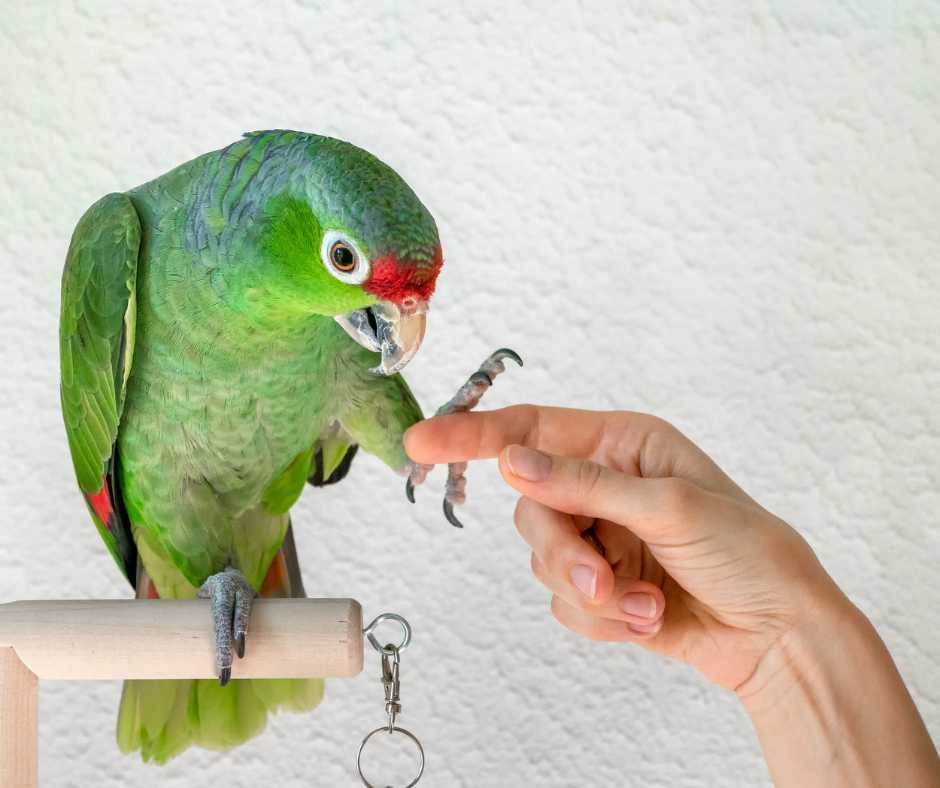
Leash training parrots requires establishing a strong foundation of communication. This involves teaching essential commands that will allow you to control and manage your parrot’s behavior while on the leash. These commands, coupled with positive reinforcement, are key to a successful and enjoyable experience for both you and your feathered companion.Effective leash training for parrots depends heavily on positive reinforcement techniques.
Rewarding desired behaviors encourages their repetition, while ignoring or redirecting unwanted behaviors helps shape a well-behaved parrot. Consistency is crucial throughout the training process to ensure the parrot clearly understands the commands and expectations.
Fundamental Commands
Understanding and teaching basic commands is essential for a parrot to follow the leash effectively. These commands create a common language between you and your parrot, establishing a framework for training.
- Come: This command instructs the parrot to approach you when called. Teaching this command builds trust and reinforces the positive association with your presence.
- Stay: This command teaches the parrot to remain in a designated location. This is crucial for managing the parrot’s movement while on the leash and avoiding potential hazards.
- Wait: This command is critical for controlling the parrot’s movement during walks, particularly when encountering obstacles or distractions. Learning to wait helps ensure a smoother and safer leash training experience.
- Leave It: This command teaches the parrot to disregard a tempting item or situation. This command is vital for maintaining control and preventing unwanted interactions, such as picking up potentially harmful objects.
Introducing Commands with Positive Reinforcement
Positive reinforcement is the cornerstone of successful parrot training. This method focuses on rewarding desired behaviors, which strengthens the connection between the action and the desired outcome.
- Verbal Cues: Pair a specific word or phrase with the desired behavior. For instance, when your parrot approaches you, say “Come” in a clear, happy tone.
- Visual Cues: Use hand signals or body language to reinforce the verbal cues. For example, a beckoning hand gesture can accompany the “Come” command.
- Tangible Rewards: Use treats, favorite toys, or verbal praise to reward the desired behavior. Consistent rewarding reinforces the association between the action and the reward.
Teaching a Parrot to Follow a Leash
Teaching a parrot to follow a leash requires patience and gradual introduction. It’s crucial to make the experience positive and associate the leash with pleasurable experiences.
- Gradual Introduction: Begin by introducing the leash in a familiar and safe environment. The parrot should associate the leash with positive experiences, such as being rewarded with treats or toys.
- Positive Reinforcement: Continuously reward the parrot for any interaction with the leash, from simply touching it to stepping onto it. Small steps lead to significant progress.
- Consistency: Consistency is vital in training. The parrot must receive the same cues and rewards each time. This predictability reinforces the connection between the action and the desired outcome.
Step-by-Step Procedures for Teaching Commands
The following table Artikels step-by-step procedures for teaching each fundamental command, emphasizing positive reinforcement.
| Command | Steps to Teach | Rewards |
|---|---|---|
| Come | 1. Hold a treat near the parrot. 2. Say “Come” in a happy tone. 3. Reward when the parrot moves toward you. 4. Gradually increase the distance. | Favorite treats, verbal praise, or a favorite toy. |
| Stay | 1. Have the parrot stand near you. 2. Say “Stay” and place a treat near the parrot. 3. Slowly step back, rewarding the parrot for staying. 4. Increase the time the parrot must stay. | Treats, verbal praise, or a favorite toy. |
| Wait | 1. Place an obstacle between you and the parrot. 2. Say “Wait.” 3. Reward the parrot when it waits. 4. Gradually increase the obstacle’s difficulty. | Treats, verbal praise, or a favorite toy. |
| Leave It | 1. Present a treat to the parrot. 2. Say “Leave it.” 3. If the parrot tries to take the treat, redirect it to another activity. 4. Reward when the parrot ignores the treat. | A different, more engaging treat or toy. |
Importance of Consistency and Patience
Consistency and patience are essential for successful leash training. Inconsistency can confuse the parrot and hinder progress. Patience allows for gradual learning and avoids frustration for both you and your parrot.
Gradual Exposure and Practice
Introducing a parrot to leash training requires a patient and gradual approach. Sudden exposure to the leash and harness can be overwhelming and detrimental to the trust-building process. A well-structured, progressive introduction will build confidence and positive associations with the equipment. This approach emphasizes safety and the parrot’s comfort throughout the training process.
Importance of Gradual Exposure
Parrots, like many animals, thrive on predictability and familiarity. Rapid introduction of new stimuli, such as a leash and harness, can lead to fear, anxiety, and resistance. Gradual exposure allows the parrot to adapt at its own pace, fostering a positive association with the equipment. This gradual approach minimizes stress and maximizes the likelihood of success.
Detailed Plan for Introducing Leash and Harness
A controlled environment is essential during the initial stages of leash training. Begin by placing the harness on the parrot in a familiar, comfortable setting, such as its cage or a quiet, enclosed room. Allow the parrot to explore and interact with the harness for short periods, rewarding any calm and inquisitive behaviors. This initial exposure helps the parrot become accustomed to the feel and weight of the equipment.
Do not rush the process; it may take several days or even weeks. Always prioritize the parrot’s comfort and safety.
Strategies for Building Confidence and Familiarity
Building confidence and familiarity with the equipment involves positive reinforcement and consistent interaction. Reward calm behaviors, such as allowing the harness to be placed or remaining still while being handled. Avoid forcing or pressuring the parrot. Positive reinforcement techniques, like treats or praise, can significantly improve the parrot’s willingness to cooperate. Using familiar toys or food items during these sessions can make the experience more enjoyable.
Remember to observe the parrot’s body language. Any signs of stress or discomfort should prompt an immediate pause in the training session.
Gradually Increasing Duration and Distance
As the parrot becomes more comfortable with the harness, gradually increase the duration of exposure. Start with brief periods and gradually extend the time. Short sessions, repeated several times a day, are more effective than longer, infrequent sessions. Once the parrot seems comfortable wearing the harness for longer periods, move on to short leash walks within the familiar environment.
Gradually increase the distance and duration of the walks, always ensuring the parrot remains relaxed and engaged.
Rewarding Desired Behaviors During Practice
Positive reinforcement is crucial during leash training sessions. Reward any calm and cooperative behaviors, such as remaining still, walking calmly, or responding to commands. Use high-value treats or praise to reinforce desired actions. This positive reinforcement strengthens the association between the desired behavior and a reward. Consistency in reward delivery is essential for effective learning.
The rewards should be presented immediately following the desired behavior.
Troubleshooting Common Challenges
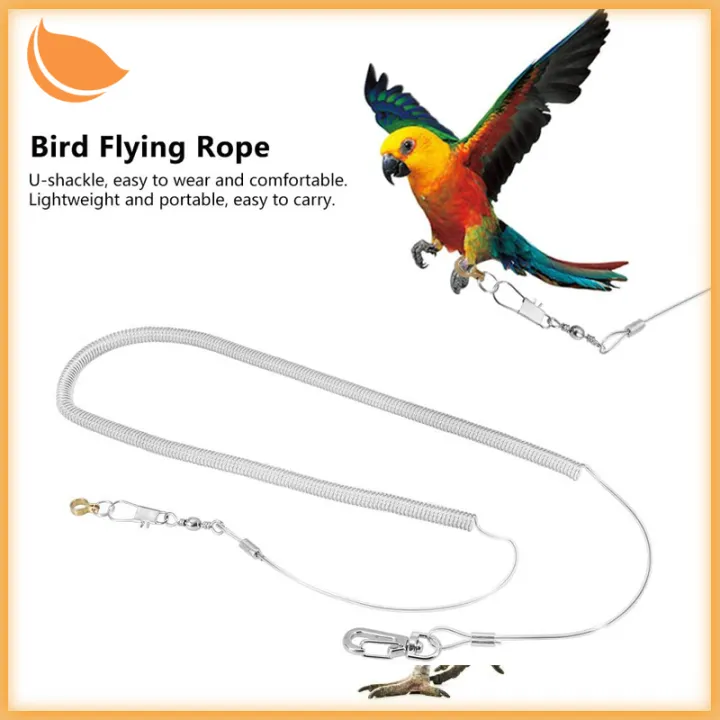
Leash training a parrot, like any training endeavor, can present unforeseen challenges. Understanding common issues and having strategies to address them is crucial for maintaining a positive and productive training experience for both you and your feathered friend. These issues often stem from the parrot’s natural instincts, fear responses, or a lack of understanding of the training cues.
Careful observation and a flexible approach are essential for success.
Identifying Resistance
Parrots may exhibit resistance to leash training for various reasons, including fear, discomfort, or a lack of motivation. Understanding the root cause is key to implementing appropriate solutions. Resistance can manifest as refusing to step onto the leash, pulling away, or simply ignoring commands. Observing the parrot’s body language, vocalizations, and overall demeanor is essential for recognizing the underlying cause of resistance.
A parrot exhibiting signs of discomfort, such as feather ruffling, hissing, or attempting to bite, needs immediate attention and a change in approach.
Addressing Fear and Anxiety
Fear is a significant hurdle in leash training. Parrots may fear the leash itself, the sensation of being restrained, or the environment in which training occurs. A gradual introduction to the leash, paired with positive reinforcement, is essential for building trust. Begin by allowing the parrot to interact with the leash in a relaxed environment, perhaps offering treats near it.
Gradually increase the duration of exposure, and reward any positive interaction. If the parrot shows signs of fear, immediately stop and try again later, with a shorter duration of exposure. Avoid forceful methods, as this can exacerbate the fear response. A calm and reassuring demeanor from the trainer is vital.
Managing Distractions
Distractions are another frequent challenge in leash training. Parrots are highly perceptive and can be easily diverted from the task at hand. To mitigate this, ensure training sessions occur in a quiet environment with minimal distractions. Start with short, focused sessions to maintain your parrot’s concentration. Gradually increase the duration of sessions as the parrot demonstrates improved focus.
If a distraction occurs, calmly redirect the parrot’s attention back to the task, and praise appropriate responses. Use visual or auditory cues to help the parrot maintain focus.
Adjusting Training Methods
When encountering resistance, adjust your training methods to address the specific issue. If the parrot is refusing to step onto the leash, try using positive reinforcement techniques, such as offering treats or toys, to encourage compliance. If the parrot is pulling away, adjust the leash’s placement to ensure a more comfortable fit. Consider breaking down the training into smaller steps and rewarding incremental progress.
Consult with an avian veterinarian or a certified parrot trainer if the resistance persists despite adjustments.
Recognizing Stress and Discomfort
It’s crucial to recognize signs of stress or discomfort in your parrot during training. Look for changes in vocalization (screaming, hissing), body language (feather ruffling, drooping wings), and overall demeanor (withdrawal, restlessness). If these signs are observed, immediately cease training and provide a calm, quiet environment for the parrot. A stressed parrot is less receptive to training, and attempting to continue can worsen the situation.
Understanding your parrot’s unique cues is essential for creating a positive training experience.
Advanced Leash Training Techniques
Mastering leash training for parrots extends beyond basic commands. Advanced techniques focus on building a deeper understanding between you and your feathered companion, allowing for more controlled and engaging interactions in various environments. This involves adapting training to different terrains, introducing distractions, and progressing to more complex scenarios. This process requires patience, consistency, and a keen awareness of your parrot’s body language.Successfully implementing advanced techniques strengthens the bond between you and your parrot while providing a more stimulating and enriching experience for both of you.
It enhances your parrot’s ability to navigate the world safely and confidently while on a leash, while also enabling you to handle it more securely in different situations.
Teaching Leash Walking in Diverse Environments
Successfully transitioning to different environments requires gradual exposure and positive reinforcement. Begin in familiar, low-distraction areas before introducing novelty. This methodical approach minimizes stress and maximizes learning.
Maintaining Control During Advanced Training
Maintaining control during advanced training hinges on consistent communication and a well-established training routine. Maintain a firm yet gentle demeanor, using your parrot’s name and clear, positive cues to guide its movements. A firm but gentle touch is key to controlling the parrot without causing discomfort.
Addressing Distractions in Advanced Training
Distractions are inevitable during advanced training sessions. Anticipating potential distractions and developing strategies to manage them is crucial. For example, you might practice leash walking in areas with controlled distractions, such as a park with minimal foot traffic, or during times of low noise. Training techniques should incorporate strategies to redirect the parrot’s attention back to you and the leash.
Consistent reinforcement and positive feedback are essential to help your parrot maintain focus.
Adapting to Various Terrains and Situations
Successfully adapting to various terrains and situations necessitates a flexible approach to training. Adjust your training method based on the environment. For example, on uneven surfaces, use shorter leash lengths to maintain control. Use different leash types and sizes, depending on the surface, and incorporate positive reinforcement and clear communication to manage your parrot’s responses.
Introducing New Locations and Environments
Introducing new locations and environments during training sessions should be gradual and well-planned. Start with familiar territory near a new location, allowing your parrot to become accustomed to the surroundings. Reward desired behavior and provide reassurance to manage any fear or anxiety. Gradually increase the distance and complexity of the new environment as your parrot demonstrates confidence and understanding.
Always prioritize your parrot’s comfort and safety.
Safety and Health Considerations

Leash training a parrot, while a rewarding experience, requires careful consideration of your avian companion’s safety and well-being. Prioritizing their health throughout the training process is paramount to ensuring a positive and lasting relationship. Ignoring these factors can lead to stress, injury, or even long-term health problems.Understanding and addressing potential risks, along with providing appropriate breaks and recognizing signs of discomfort, is crucial for a successful and safe training experience.
This section details the importance of these considerations to maintain your parrot’s health and happiness.
Importance of Safety Precautions
Safety precautions are essential during any training session, especially with a parrot. Ensure the training area is free of hazards that could injure your parrot, such as sharp objects, toxic substances, or cords. Secure the leash to prevent tangling or accidental entanglement. Supervision is vital, and a sturdy, well-ventilated area is ideal. Always be attentive and observant to avoid any potential accidents.
Providing Appropriate Breaks and Rest
Parrots, like humans, require rest and breaks during training. Overexertion can lead to exhaustion and stress. Schedule regular breaks to allow your parrot to rest and recover. Observe your parrot’s body language and adjust the training duration accordingly. Short, frequent training sessions are often more effective than long, continuous ones.
Parrots are not machines and need time to process and rest.
Potential Health Risks and Mitigation
Potential health risks associated with parrot leash training include stress, anxiety, and physical injuries. Stress can manifest as feather plucking, changes in appetite, or increased vocalization. Mitigation strategies include minimizing stressful situations, providing a safe and familiar environment, and positive reinforcement. Proper handling and gentle training techniques can greatly reduce the risk of injury. Always be attentive to any changes in behavior or physical signs that might indicate discomfort or stress.
Recognizing Signs of Exhaustion or Discomfort
Recognizing signs of exhaustion or discomfort in your parrot is crucial. Signs of exhaustion can include lethargy, loss of appetite, decreased vocalization, and changes in feather condition. Changes in behavior, such as excessive preening or hiding, may also indicate discomfort. If you notice any of these signs, stop the training session immediately and provide your parrot with rest and comfort.
Provide appropriate enrichment and encourage normal behavior. A gradual approach to training is vital to minimizing stress and discomfort.
Parrot Well-being Considerations
Maintaining your parrot’s well-being during training requires a multi-faceted approach. A balanced diet, access to fresh water, and regular veterinary check-ups are essential. Provide a stimulating environment with toys, perches, and social interaction. Monitor their body language and adjust the training accordingly.
- Proper Nutrition: A balanced diet formulated for parrots is crucial. Avoid foods that can be harmful to their health. Ensure access to fresh water at all times.
- Environmental Enrichment: Provide a stimulating environment with appropriate toys and perches. A spacious cage or aviary will allow for exploration and play.
- Regular Veterinary Care: Regular veterinary check-ups are essential to detect any health issues early. Discuss leash training concerns with your veterinarian.
- Mental Stimulation: Engage your parrot in activities that stimulate their mental well-being, such as puzzle feeders, foraging toys, and interaction with other parrots (if applicable).
- Stress Reduction Techniques: Minimize stressful situations during training. Provide a quiet, comfortable environment for rest and recovery.
Conclusive Thoughts
Successfully leash training a parrot requires patience, consistency, and a deep understanding of your parrot’s unique personality. By following the steps Artikeld in this guide, you can establish a strong bond, build trust, and introduce your parrot to a world of exciting experiences. Remember, safety is paramount throughout the training process. With careful planning and dedicated effort, you and your parrot can achieve a rewarding partnership.