Parrots, with their vibrant personalities and captivating intelligence, often exhibit a range of emotional responses. Understanding these responses and implementing appropriate training techniques are crucial for fostering a calm and harmonious environment for your feathered friend. This guide delves into the multifaceted aspects of parrot temperament, environment, training, and socialization, providing a comprehensive approach to achieving calmness in your parrot.
This comprehensive guide offers a structured approach to managing a parrot’s emotional state, covering everything from identifying stress indicators to implementing positive reinforcement strategies. It also explores the critical role of environment, diet, and veterinary care in fostering calmness. By understanding the nuances of parrot behavior, you can create a supportive and enriching experience that promotes tranquility and well-being.
Understanding Parrot Temperament
Parrots, renowned for their intelligence and captivating personalities, exhibit a wide array of temperaments. Understanding these variations is crucial for establishing a harmonious and positive relationship with your feathered friend. Individual differences, influenced by factors such as breed, age, and past experiences, play a significant role in shaping a parrot’s emotional responses. Recognizing these nuances allows for tailored training approaches, fostering a calm and happy parrot.Individual parrots, like humans, have unique personalities.
This means that even within the same breed, some parrots may be more outgoing and playful, while others may be more reserved and cautious. Knowing these inherent traits allows you to anticipate and address potential challenges more effectively.
Common Parrot Personalities and Temperaments
Parrot personalities vary significantly across different species. Macaws, known for their vibrant colors and large size, often exhibit boisterous and energetic personalities. Smaller parrots, like budgies, can be more playful and social, while African Grey parrots are frequently noted for their intelligence and ability to mimic human speech. It’s crucial to research the specific traits associated with the breed you are considering to better understand their typical behaviours.
Moreover, individual variations exist within each breed.
Factors Influencing Parrot Emotional State
Parrots’ emotional states are shaped by a complex interplay of factors. Age significantly impacts their emotional responses. Young parrots may be more susceptible to stress and anxiety due to their developmental stage. Conversely, older parrots may exhibit more ingrained behaviours, requiring different approaches to managing their emotions. Furthermore, the environment plays a critical role.
A stimulating and enriching environment can contribute to a calm and content parrot, while a monotonous or stressful environment can lead to anxiety and aggression. Past experiences, including early handling and interactions, also profoundly influence a parrot’s emotional development. Early exposure to negative experiences can lead to fear or aggression later in life.
Identifying Signs of Stress or Anxiety
Recognizing signs of stress or anxiety in parrots is crucial for early intervention. Changes in vocalizations, such as increased screeching or hushed chirps, can indicate distress. Changes in eating habits, such as decreased appetite or overeating, can also signal stress. Physical changes, like feather plucking, changes in posture, or lethargy, should not be ignored. Furthermore, withdrawal from social interaction and displays of aggression towards humans or other parrots can also suggest underlying anxiety.
Importance of Early Intervention
Addressing emotional issues in parrots early on is essential for their well-being and future behaviour. Early intervention can prevent the development of more severe behavioural problems, including aggression, self-harm, and fear responses. A proactive approach, incorporating understanding of their needs and consistent positive reinforcement, is key to fostering a calm and trusting relationship with your parrot.
Assessing Baseline Behavior for Calm Responses
Understanding a parrot’s baseline behavior is crucial for recognizing changes that indicate stress. Careful observation of their normal activities, including eating, sleeping, playing, and social interactions, provides a foundation for identifying deviations. Tracking these behaviours over time allows for a comprehensive understanding of their typical patterns and emotional responses. This baseline information is invaluable in spotting subtle changes that might otherwise be overlooked.
Creating a Calming Environment
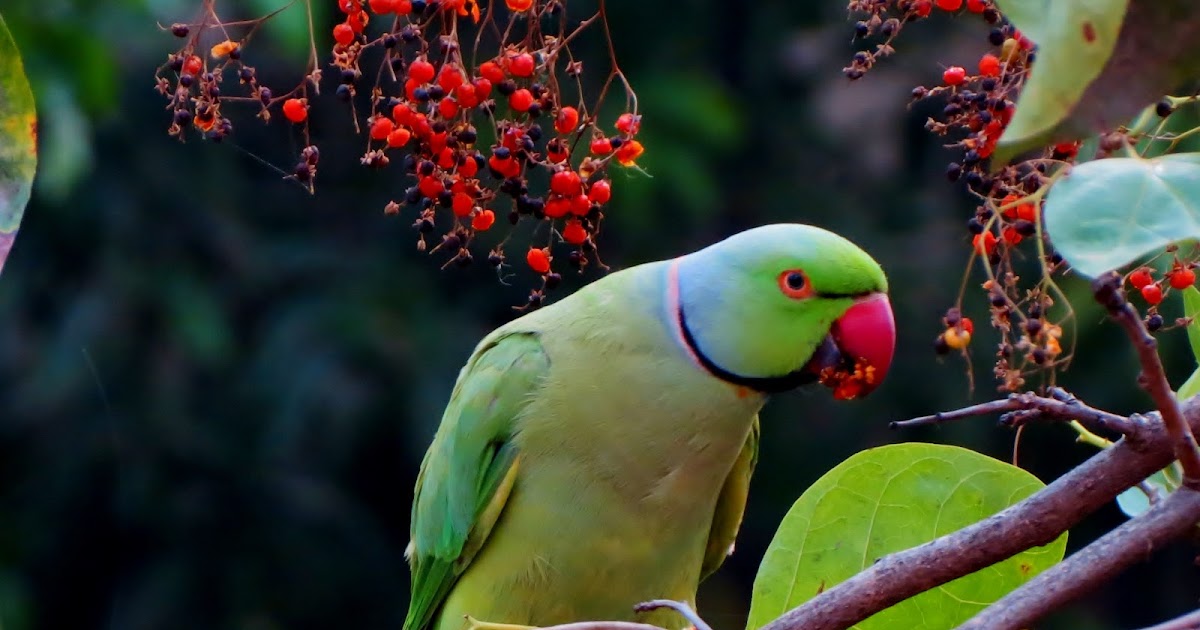
A calm and enriching environment is crucial for a parrot’s well-being. A stressed parrot is more likely to exhibit undesirable behaviors, from screaming and biting to feather plucking. Creating a space that promotes relaxation and predictability is paramount to fostering a healthy and happy relationship with your feathered friend.A well-designed parrot enclosure acts as a safe haven, reducing anxieties and promoting a sense of security.
This includes appropriate cage size, suitable materials, and engaging accessories that cater to the parrot’s natural needs. Providing enrichment activities helps to combat boredom, a major source of stress in captive birds. A consistent daily routine, alongside minimizing sudden noises and movements, further contributes to a calmer and more predictable environment for the parrot.
Parrot Enclosure Design
A parrot’s cage should be large enough to allow for comfortable movement and exploration. The minimum cage size varies greatly depending on the species, with larger parrots requiring significantly more space than smaller ones. Consider the parrot’s natural behaviors and ensure the cage provides ample room for perching, climbing, and foraging. Materials used in the cage construction should be non-toxic and durable.
Avoid wire cages that can cause injury or discomfort. Solid-bottom cages or those with easily cleaned, non-toxic lining are preferred.Appropriate cage accessories include multiple perches of varying sizes and textures, toys, and foraging opportunities. These items promote mental and physical stimulation, reducing boredom and providing opportunities for natural behaviors. For example, a variety of natural branches, foraging toys, and puzzle feeders will offer mental stimulation.
Enrichment Activities
Providing enriching activities is vital for preventing boredom and frustration. Parrots are intelligent creatures with complex needs, and without sufficient stimulation, they can become stressed and exhibit undesirable behaviors. Toys and activities should encourage problem-solving, exploration, and foraging.Examples of enrichment activities include puzzle feeders, foraging toys, swings, and climbing structures. These activities provide mental stimulation and physical exercise, which are essential for a parrot’s overall well-being.
Rotating toys regularly will maintain interest and engagement. Using natural materials like branches, twigs, and gourds for foraging and chewing provides both physical and mental stimulation.
Calming Sounds and Visual Stimuli
Creating a calming environment involves careful consideration of both auditory and visual cues. Parrots are highly sensitive to their surroundings, and specific sounds and visuals can trigger stress or relaxation.
- Soft, calming music: Gentle classical music or nature sounds can create a relaxing atmosphere. Avoid loud, jarring noises.
- Natural light and views: Allowing access to natural light and outdoor views is beneficial for parrots’ well-being. If possible, provide access to an outdoor aviary.
- Visual variety: Introduce a range of visual stimuli, such as colorful toys and plants. However, avoid overly stimulating patterns that could be overwhelming.
- Gentle, soothing sounds: Consider using white noise or nature sounds (birdsong, rain) to mask loud noises or sudden movements.
Daily Routines
Consistent daily routines provide a sense of security and predictability, which is crucial for a parrot’s well-being. Predictable routines help parrots anticipate events and reduce stress.A structured daily schedule should include feeding times, playtime, and quiet time. This schedule should be followed consistently to help the parrot adapt and feel safe. Consistency in feeding and playtime routines helps create a predictable environment for the parrot.
Consistent daily routines minimize stress by creating a sense of familiarity and control for the parrot.
Minimizing Stress Triggers
Minimizing loud noises and sudden movements is vital for maintaining a calm environment. Parrots are sensitive to their surroundings and are easily startled by sudden changes.
- Noise reduction: Use soundproofing materials or white noise machines to reduce loud noises that can startle your parrot.
- Gentle movements: Move around the parrot’s enclosure with care, avoiding sudden or jerky movements.
- Quiet time: Provide periods of quiet time for the parrot to rest and relax, free from excessive stimulation.
- Appropriate lighting: Ensure the parrot’s enclosure has appropriate lighting, avoiding harsh or flickering lights.
Positive Reinforcement Training
Positive reinforcement training is a cornerstone of effective parrot training, particularly when aiming for calm behavior. This method focuses on rewarding desired actions, strengthening the connection between the behavior and a positive outcome for the bird. By associating calmness with pleasant experiences, parrots learn to actively seek out and maintain these tranquil states. A well-structured program encourages a harmonious relationship between owner and parrot.
Methods for Teaching Calm Behaviors
Effective training relies on identifying and rewarding specific calm behaviors. This involves careful observation of the parrot’s typical responses in various situations. Begin by selecting behaviors that signify a calm state, such as quiet vocalizations, relaxed postures, or the absence of disruptive behaviors like excessive screeching or flapping. Positive reinforcement strengthens these desired responses, guiding the parrot towards a more tranquil demeanor.
Rewarding Calm Behaviors: A Step-by-Step Guide
A structured approach is crucial for successful positive reinforcement. Begin by establishing a clear definition of calm behavior. This could involve specific actions, such as sitting quietly on a perch or not flapping wings when a visitor enters the room. Observe the parrot’s natural tendencies and identify instances where they exhibit these calm behaviors. Immediately after observing the desired behavior, provide a highly valued reward.
This immediate connection between action and reward is critical. Consistent repetition of this process strengthens the association. Gradually increase the duration of calm behavior expected before rewarding, building the parrot’s understanding and control.
Appropriate Reward Systems and Schedules
Reward systems should be tailored to the individual parrot’s preferences and learning style. High-value rewards include healthy treats like small pieces of fruit or vegetables, seeds, or special toys. Consider the parrot’s favorite food items. Schedules should be varied to maintain interest and prevent satiation. Varying reward intervals, such as rewarding every other calm behavior or rewarding after a specific duration of calmness, keeps the parrot engaged and motivated.
It is essential to avoid over-rewarding, as this can diminish the effectiveness of the reinforcement.
Comparison of Positive Reinforcement Strategies
| Strategy | Description | Pros | Cons |
|---|---|---|---|
| Continuous Reinforcement | Rewarding every instance of calm behavior. | Quick learning, immediate reinforcement of desired behavior. | Can lead to satiation, less effective in the long run for maintaining calm behaviors. |
| Intermittent Reinforcement | Rewarding some instances of calm behavior, not every time. | Encourages persistence, more resistant to satiation. Leads to a longer-lasting association between the behavior and the reward. | Requires more patience, might take longer for the parrot to learn. |
| Fixed-Ratio Reinforcement | Rewarding after a specific number of calm behaviors. | Can be effective in maintaining consistent calm behaviors. | Parrot may become overly focused on the reward rather than the calm behavior itself. |
| Variable-Ratio Reinforcement | Rewarding after a variable number of calm behaviors. | Highly effective in maintaining calm behavior over time. | Requires significant observation and patience from the owner. |
Addressing Specific Triggers
Identifying and addressing the specific triggers that cause anxiety or stress in parrots is crucial for their well-being and your ability to effectively manage their responses. Understanding these triggers allows you to create a more supportive and predictable environment, reducing the frequency and intensity of negative reactions. This proactive approach strengthens the bond between you and your feathered friend.Successfully desensitizing a parrot to triggers involves careful observation, patience, and a phased approach.
By gradually exposing the parrot to milder forms of the stimulus, you can help them adapt and reduce their fear response. This process, while requiring time and consistency, is highly effective in minimizing stress and anxiety.
Identifying Parrot Triggers
Parrots exhibit a wide range of sensitivities. Careful observation is key to identifying specific situations or stimuli that elicit anxious or stressed responses. Note the context, including the time of day, location, presence of other animals or people, and the type of activity. Record the parrot’s reactions, such as changes in posture, vocalizations, and behaviors, such as feather plucking or self-harm.
Regularly documenting these observations can help you identify patterns and understand what sets off these responses.
Desensitization Techniques
Desensitization involves gradually exposing the parrot to milder forms of the triggering stimulus. Start with very low-intensity exposure, ensuring the parrot remains calm and comfortable. Subsequently, gradually increase the intensity and duration of exposure, reinforcing calm behavior with positive rewards. For example, if a loud noise is a trigger, start with a very quiet sound and gradually increase the volume.
Creating a Safe Space
Providing a safe space is vital for a parrot experiencing overwhelm. This dedicated area should be free from potential triggers and offer a sense of security and comfort. The space should be easily accessible, quiet, and furnished with familiar objects that provide comfort and security. This designated retreat serves as a haven for the parrot, enabling them to de-escalate when feeling overwhelmed.
Redirection Techniques
Redirecting a parrot’s attention is a valuable tool for managing agitated behavior. When a parrot displays signs of anxiety, quickly redirect their attention to a more positive and engaging activity. This could involve offering a favorite toy, providing a treat, or engaging in a familiar and enjoyable interaction. The key is to distract them from the source of their agitation.
Teaching Coping Mechanisms
Teaching coping mechanisms is an effective long-term strategy for managing stress and anxiety. These mechanisms can include relaxation techniques, such as gentle massage or quiet music, or activities that provide mental stimulation. Rewarding calm behavior and reinforcing positive responses helps the parrot associate calmness with positive experiences, gradually making it a more habitual response. For instance, introducing a calming routine, such as a quiet time with soft music, can be a valuable coping mechanism.
Socialization and Interaction
Proper socialization is crucial for a parrot’s overall well-being and the development of calm behaviors. Parrots are highly social creatures, and interactions with other birds and humans shape their personalities and responses to stimuli. A well-socialized parrot is more likely to exhibit calm and appropriate behaviors in various situations.Socialization encompasses exposure to a variety of stimuli, including other parrots, humans, and their environment.
Early and consistent exposure to these stimuli is vital for establishing a balanced and adaptable temperament. This process allows parrots to learn acceptable social norms and appropriate responses to different situations, reducing stress and anxiety.
Introducing a New Parrot
Introducing a new parrot to an existing flock requires careful planning and gradual acclimation. Rapid introductions can lead to aggressive behaviors, stress, and even injuries. It is important to supervise the interactions at all times. A neutral environment, such as a separate room or cage, should be used for initial introductions to allow birds to observe each other without direct confrontation.
The process of introduction should be slow and methodical. Allow the birds to visually observe each other from a distance before any physical contact. Gradually increase the interaction time under close supervision, starting with short periods and increasing them as appropriate. Providing ample space for each bird to retreat is vital.
Creating Positive Interactions
Positive interactions with other birds and humans are essential for a parrot’s emotional well-being. Positive reinforcement methods should be employed throughout the interaction process. Rewards, such as treats or praise, should be given for calm and appropriate behaviors. Avoid punishment or harsh corrections, as these can increase stress and anxiety. Consistent positive reinforcement strengthens desired behaviors and creates a positive association with interactions.
This approach fosters trust and a sense of security, which are essential for calm behavior. The consistency of the positive interactions plays a crucial role in shaping a parrot’s personality.
Examples of Positive Social Interactions
| Interaction | Description | Impact on Parrot |
|---|---|---|
| Gentle Handling | Handling the parrot with a soft touch and gentle movements, while avoiding sudden movements or loud noises. | Reduces fear and anxiety, fosters trust and comfort with humans. |
| Positive Verbal Interactions | Speaking to the parrot in a calm and soothing voice, using positive reinforcement phrases. | Creates a sense of security and connection with humans, promoting a calmer temperament. |
| Social Play | Allowing the parrot to interact with other birds in a supervised and controlled environment. | Encourages social skills, reduces stress and boredom, and fosters a sense of belonging. |
| Environmental Enrichment | Providing toys, perches, and other enrichment items that stimulate the parrot’s natural behaviors, promoting mental and physical well-being. | Reduces boredom, fosters curiosity, and provides opportunities for healthy physical and mental engagement, leading to a more balanced behavior. |
Dietary Considerations
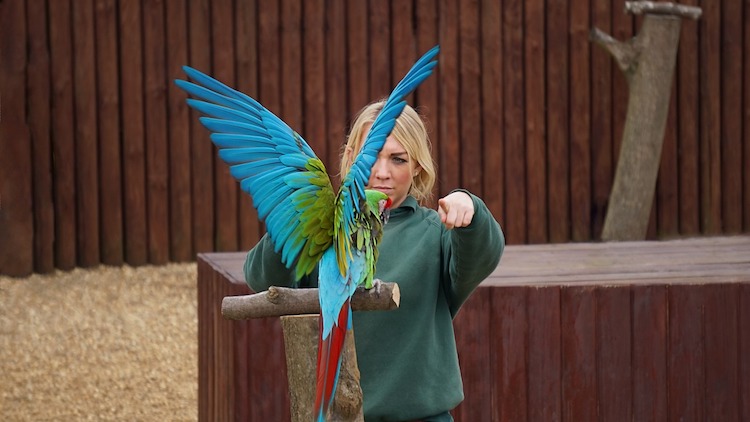
A parrot’s diet plays a crucial role in its overall health and well-being, significantly impacting its emotional state and behavior. Proper nutrition ensures the parrot has the necessary energy and nutrients to maintain a calm and stable temperament. A balanced diet, tailored to the specific species and age of the parrot, is essential for preventing stress-related behaviors and promoting a positive environment.A parrot’s emotional state is directly connected to its physical health.
Nutrients impact neurotransmitter production, which regulates mood and behavior. Providing the right mix of vitamins, minerals, and essential fatty acids can positively influence a parrot’s emotional response, helping to maintain a calmer disposition. This is particularly relevant for species known to exhibit heightened anxiety or stress in certain conditions.
Importance of a Balanced Diet
A well-balanced diet provides the necessary nutrients for maintaining a parrot’s physical and mental health. This encompasses a variety of essential vitamins, minerals, and proteins, crucial for overall emotional well-being. Inadequate nutrition can lead to deficiencies, impacting a parrot’s mood, behavior, and susceptibility to stress.
Dietary Components Affecting Mood and Behavior
Several dietary components can directly influence a parrot’s mood and behavior. Certain fruits and vegetables rich in antioxidants and vitamins can contribute to a calmer disposition. Conversely, excessive consumption of sugary or processed foods can lead to energy fluctuations and potentially heightened stress levels. High-quality protein sources are essential for brain function and can contribute to a stable mood.
Creating a Daily Meal Plan
A parrot’s daily meal plan should be carefully structured to meet its specific nutritional needs. This involves providing a variety of seeds, fruits, vegetables, and other healthy ingredients. A good approach is to offer a diverse range of options daily to ensure the parrot receives a comprehensive nutritional intake. The exact proportions of each component will depend on the parrot’s species, age, and individual needs.
Healthy Treats for Calm Behavior
Offering healthy treats can be an effective tool for positive reinforcement and promoting calm behavior. These treats should be nutritious and low in sugar. Examples include small portions of fresh fruits, vegetables, or specific parrot-safe nuts. Using treats in training sessions, for example, can help establish positive associations with calmness and desired behaviors.
Hydration and Parrot Calmness
Adequate hydration is crucial for maintaining a parrot’s overall health and emotional well-being. Parrots require a consistent supply of fresh water, readily accessible at all times. Dehydration can lead to stress and anxiety, which can negatively impact a parrot’s behavior. Ensuring access to clean water helps maintain a parrot’s emotional balance.
Veterinary Care
Regular veterinary care is paramount to a parrot’s overall health and well-being, directly impacting their emotional state and ability to remain calm. Parrots, like all animals, require preventative care to maintain optimal health. A proactive approach to health management often translates to a calmer and more content parrot.Veterinary checkups are crucial for early detection of potential health issues that can manifest as stress or anxiety.
A healthy parrot is better equipped to handle stress and exhibit calm behavior. Early intervention, often facilitated by regular veterinary visits, can significantly improve a parrot’s quality of life.
The Importance of Regular Checkups
Regular veterinary visits are vital for maintaining a parrot’s physical and mental well-being. These checkups allow for the identification of potential health issues before they escalate, preventing unnecessary suffering and stress. Routine blood work and physical examinations help detect early signs of illness, which may include changes in behavior or temperament.
Identifying Underlying Medical Conditions
A veterinarian can identify potential underlying medical conditions that may contribute to stress or anxiety in a parrot. These conditions may include nutritional deficiencies, hormonal imbalances, infections, or neurological issues. Changes in behavior, such as increased vocalization, aggression, or withdrawal, may signal an underlying medical problem. Observing changes in appetite, droppings, or feather condition is equally important.
Communicating Emotional Needs to the Veterinarian
Open communication with the veterinarian is essential for effectively addressing a parrot’s emotional needs. Owners should clearly articulate any behavioral changes, including increased stress or anxiety, and the specific triggers that may be contributing to these changes. Detailing the parrot’s typical behavior, and the changes observed, can aid in a more comprehensive assessment. This information can help the veterinarian develop a more targeted approach to diagnosis and treatment.
The Value of Detailed Veterinary Records
Comprehensive veterinary records, including behavioral observations, are invaluable in managing a parrot’s health and well-being. Detailed notes on the parrot’s typical behavior, any changes observed, and any stressors present will help the veterinarian understand the parrot’s overall condition. These records provide a historical context for evaluating current issues and developing appropriate treatment plans. This documentation also aids in tracking progress and adjusting care as needed.
Health and Calmness in Parrots: A Strong Correlation
Parrots, like humans, experience stress and anxiety in response to various factors. Poor health, both physical and mental, can exacerbate stress. Conversely, good health contributes to a parrot’s ability to cope with stress and maintain calmness. Veterinary care plays a pivotal role in ensuring a parrot’s overall health, promoting a calmer and happier companion. Addressing health issues proactively will contribute significantly to the parrot’s emotional well-being.
Closing Summary
In conclusion, training a parrot to stay calm is a multifaceted process requiring a deep understanding of their individual needs and temperament. By addressing their emotional needs through a calming environment, positive reinforcement, and careful attention to triggers, you can foster a trusting relationship built on mutual respect and tranquility. Remember, consistency and patience are key to success.
This comprehensive guide provides a structured framework to help you on this journey.