Parrot training within a cage presents a rewarding experience for both owner and avian companion. This comprehensive guide provides a structured approach to effectively train your parrot, emphasizing positive reinforcement techniques and tailored strategies for various parrot species. Understanding the nuances of parrot behavior and addressing potential challenges are integral to a successful training journey.
From essential supplies and basic training techniques to advanced strategies and safety precautions, this guide offers a holistic approach. A detailed understanding of different parrot species and their varying needs is crucial for successful training, which will be highlighted in the subsequent sections.
Introduction to Parrot Training
Parrot training within a cage environment offers a unique opportunity to foster a strong bond with these intelligent birds while ensuring their well-being. Careful consideration of the parrot’s specific needs and personality is paramount for successful training. Positive reinforcement techniques are crucial to create a positive learning experience and build trust. Understanding the diverse needs of various parrot species is vital for tailoring training strategies effectively.Effective training in a cage setting can lead to improved communication, increased interaction, and a deeper understanding between you and your feathered companion.
This, in turn, strengthens the bond and promotes a healthier, happier parrot. A well-trained parrot can exhibit impressive behaviours, and you can enjoy a mutually rewarding relationship.
Positive Reinforcement Techniques
Positive reinforcement is a cornerstone of successful parrot training. It involves rewarding desired behaviours with positive stimuli, such as treats, praise, or toys, thereby encouraging repetition of those actions. This approach fosters a positive learning environment, avoiding punishment or aversive methods that may negatively impact the bird’s psychological well-being. Consistency in application is key to ensuring the parrot understands the desired behaviours.
For instance, rewarding a parrot for stepping onto a perch with a treat reinforces the desired action, strengthening the association.
Parrot Species and Training Needs
Different parrot species possess unique temperaments, intelligence levels, and learning styles. Understanding these differences is essential for tailoring training methods appropriately. Some species are more vocal than others, while some may require more patience and understanding to master new commands. The varied needs of these avian companions necessitates a personalized approach to training.
Benefits of Training Parrots in a Cage
Training parrots within a cage environment offers numerous advantages. It provides a controlled and familiar space, enabling the parrot to feel secure and comfortable during learning. This allows for a consistent training environment, improving the likelihood of success. Furthermore, it facilitates focused training sessions, reducing distractions and enhancing concentration on the task at hand.
Training Challenges Across Parrot Species
The following table Artikels potential training challenges associated with different parrot species, highlighting the need for tailored approaches. This information aids in understanding the specific needs of each species and helps in creating effective training strategies.
| Parrot Species | Typical Training Challenges |
|---|---|
| African Grey | High intelligence, but may require patience and persistence. Potential for stubbornness if not handled with positive reinforcement. |
| Macaw | Strong personalities and potentially demanding. May require a more structured and consistent training approach. Their size can make some tasks challenging. |
| Cockatiel | Generally friendly and receptive to training. Their smaller size may require smaller treats and toys. Potential for shyness. |
| Amazon | Highly intelligent and vocal, often requiring a stimulating environment for training. Potential for mischief. |
| Budgerigar | Relatively easy to train, but their small size may make it challenging to use large treats. Their sensitivity to stress should be considered. |
Essential Supplies for Parrot Training

A successful parrot training program hinges on providing the right environment and tools. Proper supplies encourage engagement, safety, and effective learning. The selection of training materials plays a critical role in fostering a positive learning experience for both the parrot and the trainer. Careful consideration of these elements will contribute significantly to the success of your training endeavors.The necessary supplies go beyond just a cage.
They encompass a variety of tools designed to stimulate mental and physical activity, reward positive behavior, and provide a safe learning environment. A well-equipped training space is essential for a productive and enjoyable experience.
Essential Training Toys
A variety of stimulating toys are crucial for parrot training. These toys promote mental engagement, preventing boredom and destructive behaviors. Parrots are intelligent creatures, and engaging toys keep them occupied and happy. This is critical for a positive learning environment.
- Foraging Toys: These toys encourage natural foraging behaviors. They often contain multiple compartments, hiding treats, or require problem-solving to access food. This fosters natural curiosity and engagement. Examples include puzzle feeders, foraging balls, and hollowed-out wooden blocks.
- Chew Toys: Chewing is a natural parrot behavior. Providing appropriate chew toys prevents destructive behaviors and allows for healthy oral exercise. Durable wood, natural fibers, and specifically designed chew toys are essential.
- Swing Sets and Perches: Parrots need to move around and explore their environment. Climbing and swinging toys provide this opportunity and promote physical well-being. High-quality, sturdy perches with varied textures support healthy feet and joint function.
- Mirrors and Social Toys: Parrots are social creatures. Mirrors, when used appropriately, can stimulate natural behaviors and provide visual stimulation. These toys can be beneficial in social interactions and mental enrichment. Consider toys designed for interaction, allowing the parrot to play with toys or other objects.
Appropriate Perches
Perches play a vital role in parrot well-being. They provide support for landing, rest, and climbing. The right perch prevents foot and joint problems.
- Variety of Sizes and Shapes: Different perches, varying in size and shape, offer opportunities for natural exploration and exercise. This supports a range of movements and positions.
- Texture and Material: Parrots benefit from perches made of natural materials with different textures. This promotes comfort and foot health. Examples include wood, branches, and even rope perches.
- Placement: Strategic placement of perches throughout the cage ensures accessibility to various parts of the enclosure. This allows the parrot to explore different areas, aiding in mental stimulation and activity.
Training Treats and Rewards
Using training treats and rewards is a crucial part of the training process. Positive reinforcement motivates desired behaviors and strengthens the learning experience.
- Variety of Treats: Parrots enjoy a range of treats, including fruits, vegetables, seeds, and specially formulated training treats. A varied diet keeps them engaged and satisfied.
- Portion Control: Controlling the amount of treats given prevents overfeeding and maintains a healthy weight. Treats should be a small part of their overall diet.
- Rewarding Specific Behaviors: Giving treats immediately after the desired behavior reinforces the action. This connection is key to effective training.
Comparing Parrot Training Toys
Different toys cater to specific needs. Choosing the right toys enhances the training process.
| Toy Type | Description | Benefits | Considerations |
|---|---|---|---|
| Foraging Toys | Stimulate natural foraging behaviors. | Encourages problem-solving, mental engagement, and prevents boredom. | Ensure appropriate size and complexity for the parrot’s abilities. |
| Chew Toys | Provide outlets for chewing. | Prevent destructive behaviors, promotes oral health. | Choose durable, safe materials. |
| Swing Sets and Perches | Offer opportunities for climbing and swinging. | Promotes physical activity, mental stimulation, and healthy joint function. | Ensure stability and safety for the parrot. |
Training Environment
A quiet and safe training environment is crucial for successful training. A distraction-free space allows the parrot to focus on learning.
- Quiet Space: A quiet environment minimizes distractions, allowing the parrot to concentrate on the training session. This improves learning and reduces stress.
- Safe Enclosure: A secure cage prevents escapes and injuries. The cage should be well-constructed and have secure locks. This promotes safety during training sessions.
Basic Training Skills and Techniques
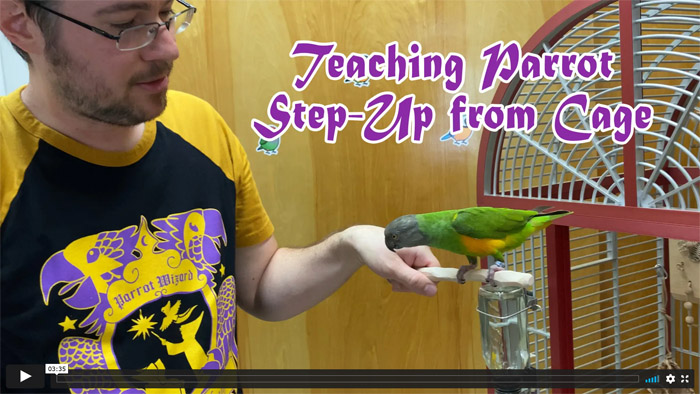
Parrot training is a rewarding journey that requires patience, consistency, and a deep understanding of avian behavior. By focusing on positive reinforcement and establishing a structured routine, you can effectively teach your parrot a wide range of skills. Understanding fundamental commands and techniques is crucial for successful training and fostering a strong bond with your feathered friend.
Fundamental Skills for Parrot Training
Understanding the basic skills your parrot needs to learn is the foundation for successful training. These skills form the building blocks for more complex behaviors and create a positive learning environment. A parrot that understands basic commands will be more receptive to further training.
- Step-Up: This is a crucial command that allows you to safely and reliably grasp your parrot. It’s a fundamental skill for handling, vet visits, and future training exercises. Proper training ensures the parrot associates the command with a positive experience.
- Speak: Teaching your parrot to mimic sounds, words, or phrases is a captivating and engaging training activity. Consistent repetition and positive reinforcement are essential for successful vocalization.
- Come: This command helps you recall your parrot, especially in larger spaces or when they might wander off. Training should be tailored to the parrot’s individual personality and comfort level.
- Stay: Once your parrot understands the “come” command, “stay” reinforces appropriate behavior and builds upon that understanding. The training process must be gradual and rewarding.
- Object manipulation: This includes picking up, carrying, and placing objects. Teaching object manipulation can stimulate your parrot’s cognitive abilities and promote problem-solving skills. Early introduction to various objects can expand the parrot’s interaction with its environment.
Methods for Teaching Skills Using Positive Reinforcement
Positive reinforcement is a cornerstone of parrot training. It focuses on rewarding desired behaviors rather than punishing undesirable ones. This approach builds a positive association with training, leading to a more cooperative and motivated parrot.
- Use of Treats: High-value treats, such as mealworms, berries, or small pieces of fruit, serve as powerful motivators. The treats must be appropriately sized for the parrot’s beak and digestive system. Treats should be given immediately after the desired behavior to reinforce the connection.
- Praise and Affection: Verbal praise, gentle petting, or a favorite toy can also reinforce desired behaviors. The parrot’s individual preferences should be considered when choosing rewards. Consistent praise and affection should be accompanied by treats to maximize their effectiveness.
- Reward Schedules: Implementing varied reward schedules, such as intermittent reinforcement, can strengthen the learning process. Varying the reward schedule can make the learning process more stimulating and engaging for the parrot.
Creating a Structured Training Routine
Establishing a structured training routine is vital for your parrot’s learning and overall well-being. It provides predictability and allows the parrot to understand what is expected of them.
- Daily Sessions: Short, frequent training sessions (15-30 minutes) are more effective than long, infrequent ones. This ensures the parrot’s attention remains focused and avoids boredom.
- Timing: Choose a time when your parrot is most alert and receptive. Consistency in timing is crucial for the parrot to associate the training sessions with positive experiences.
- Location: A designated training area can help your parrot focus. Familiar surroundings are important for creating a relaxed and positive training environment.
Importance of Consistency and Patience
Consistency and patience are paramount in parrot training. Consistency in training methods and reward schedules reinforces the learning process and builds trust between you and your parrot.
- Regular Practice: Regular practice reinforces the learning and ensures that the parrot does not lose what it has learned. This will lead to faster progress and increased parrot satisfaction.
- Avoiding Frustration: Understanding that learning takes time is crucial. Frustration on the part of the trainer can lead to frustration in the parrot. Be patient, and celebrate small successes.
Comparing Methods of Teaching a Parrot to “Step Up”
Different methods can be employed to teach a parrot to “step up.” A comparison table is provided below:
| Method | Description | Pros | Cons |
|---|---|---|---|
| Clicker Training | Using a clicker to mark the desired behavior, followed by a reward. | Precise timing, clear reinforcement, helps with complex behaviors. | Requires investment in a clicker, might take longer for initial response. |
| Lure Training | Using a treat or toy to guide the parrot to the desired action. | Relatively fast results, especially for initial steps. | Can be less effective for complex behaviors, might create reliance on lures. |
| Shaping Training | Gradually rewarding successive approximations of the desired behavior. | Builds a strong association between behavior and reward. | Requires more patience and observation, can be slow for immediate results. |
Addressing Common Challenges in Parrot Training
Parrot training, while rewarding, can present various challenges. Understanding these common difficulties and implementing appropriate strategies are crucial for successful training and a positive relationship with your feathered friend. These challenges often stem from the unique characteristics of parrot intelligence and communication styles.Successful parrot training requires a nuanced understanding of their motivations, behaviours, and sensitivities. This includes recognising and addressing potential issues proactively, rather than simply reacting to them.
Common Parrot Training Challenges
Parrots, known for their intelligence and complex personalities, can present a variety of challenges during training. These challenges often stem from a lack of understanding of parrot behaviour, inappropriate training methods, or a mismatch between the parrot’s needs and the trainer’s expectations. Addressing these issues requires a proactive and adaptable approach.
- Biting: Parrots may bite due to fear, anxiety, or a lack of positive reinforcement. Understanding the underlying cause is key to preventing future occurrences. A lack of trust or a perceived threat can trigger this behaviour. Addressing the root cause, such as establishing a safe and comfortable training environment, is critical.
- Screaming: Parrots can scream for various reasons, including boredom, fear, or a desire for attention. Identifying the trigger is vital for effective intervention. A lack of mental stimulation, a perceived threat, or an inconsistent training schedule can lead to this behaviour. Implementing activities that provide mental and physical stimulation, coupled with a consistent training routine, is important.
- Problem Behaviors: Problem behaviours, such as feather plucking or self-harm, are often complex issues requiring a multifaceted approach. They could be linked to stress, boredom, or underlying medical conditions. Identifying the underlying cause is critical for developing a suitable intervention strategy.
- Lack of Cooperation: Parrots might not always cooperate during training sessions due to a variety of factors, such as fatigue, hunger, or a lack of interest in the training activities. Understanding and addressing the parrot’s individual needs and preferences, and using positive reinforcement, are key to encouraging cooperation.
Understanding Parrot Body Language
Parrots communicate not only verbally but also through a complex array of body language cues. Recognizing these cues allows trainers to better understand a parrot’s emotional state and adjust their training methods accordingly. For example, a puffed-up posture might indicate fear or aggression, while a relaxed posture with open wings may suggest contentment.
- Facial expressions: Observe the parrot’s eye movements, beak position, and overall facial expression. A narrowed or fixed stare, for example, can signify apprehension.
- Posture and movement: Pay attention to the parrot’s body posture, wing positions, and tail movements. These subtle cues can provide valuable insight into their emotional state. A puffed-up posture, for example, might signal a defensive or anxious response.
- Vocalizations: While vocalizations are often apparent, observing the tone, pitch, and duration of a parrot’s calls can be just as important as the actual sounds themselves. A high-pitched scream, for example, might indicate distress, while a soft coo might signal contentment.
Identifying and Correcting Training Mistakes
Effective training hinges on continuous self-assessment. Mistakes, whether in methodology or understanding, are inevitable. Recognizing these errors and adapting the approach ensures positive and productive learning.
- Inconsistent Training: A lack of consistent reinforcement can frustrate a parrot. Consistency in training schedules and rewards ensures predictability and motivates the parrot. A schedule that is well-structured and well-followed helps in preventing confusion.
- Incorrect Use of Reinforcement: Using the wrong type of reinforcement can discourage learning. Positive reinforcement, such as treats or praise, is crucial for encouraging desired behaviors. Avoid using punishments or aversive techniques, as they can create negative associations.
- Ignoring Parrot Needs: Failing to consider the parrot’s physical and psychological needs can lead to behavioral problems. Providing a stimulating environment, appropriate exercise, and opportunities for interaction helps address the needs of the parrot.
Advanced Training Techniques
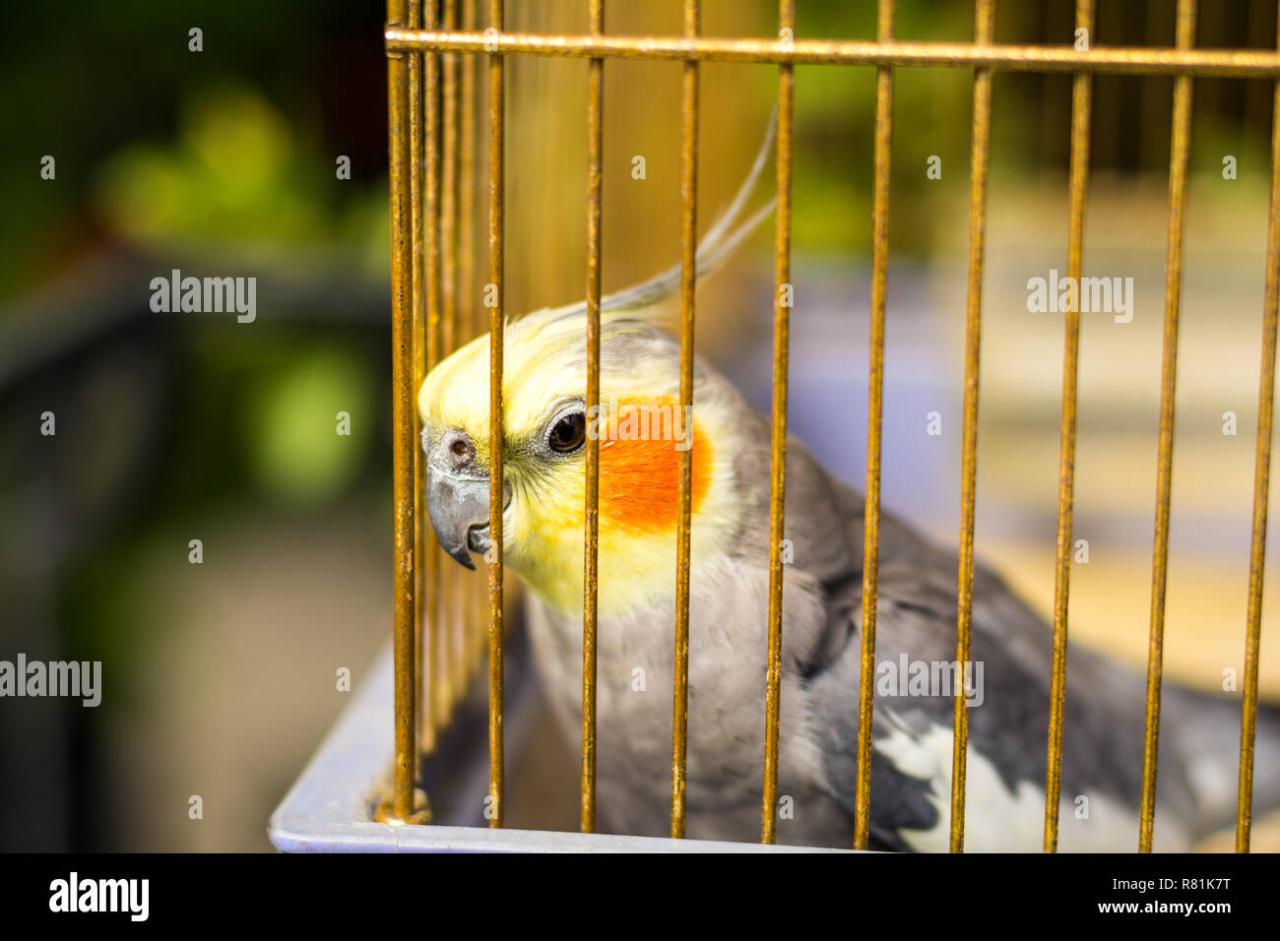
Moving beyond basic commands, advanced parrot training delves into more complex behaviors, mimicking, and tricks. This stage requires patience, consistency, and a deep understanding of your parrot’s personality and learning style. Successful advanced training fosters a stronger bond and a more enriching experience for both you and your feathered friend.Understanding your parrot’s motivations is crucial. Positive reinforcement, including rewarding desired behaviors with treats, praise, or toys, is essential.
A parrot’s attention span varies, so keep training sessions short and engaging, ensuring high motivation throughout.
Mimicking Words and Phrases
Effective mimicry training relies on positive reinforcement and clear communication. Parrots learn through association, so clearly linking a word or phrase with a desirable reward is key. Start with short, simple words or phrases, gradually increasing the complexity as your parrot progresses. Consistent repetition and patience are vital in this process. Using a calm, clear voice and a reward system will make the process smoother.
This can be enhanced by using a recording of the desired phrase or word to increase exposure.
Training Parrots for Tricks
Training parrots for tricks requires a combination of shaping, rewarding, and clear cues. Start with simple actions, such as stepping up or shaking a toy. Gradually introduce more complex movements. Positive reinforcement is critical, ensuring that each correct response is met with immediate reward. Breaking down complex tricks into smaller, manageable steps makes the process more accessible.
Consistency in cues and rewards is essential to avoid confusion.
Establishing a Strong Bond
A strong bond is crucial for successful training. Spend quality time interacting with your parrot, engaging in activities it enjoys, such as playing, talking, and observing its behavior. Understanding your parrot’s unique needs and personality will allow you to create a nurturing and positive environment. Provide a stimulating and enriching environment that fosters natural parrot behaviors. Regular interactions will strengthen the bond between you and your feathered friend.
Advanced Parrot Training Tricks and Difficulty Levels
| Trick | Description | Difficulty Level |
|---|---|---|
| Stepping Up | The parrot steps onto a hand or perch. | Easy |
| Talking on Command | The parrot speaks a specific word or phrase when prompted. | Medium |
| Fetching Objects | The parrot retrieves an object on command. | Medium |
| Shaking Hands | The parrot extends a paw or wing for a physical interaction. | Medium-Hard |
| Playing Dead | The parrot feigns death on command. | Hard |
| Complex Vocalizations | The parrot performs several vocalizations or a short song. | Hard |
Note: Difficulty levels are subjective and depend on the parrot’s individual abilities and learning style. Patience and persistence are key to success.
Maintaining Training Momentum
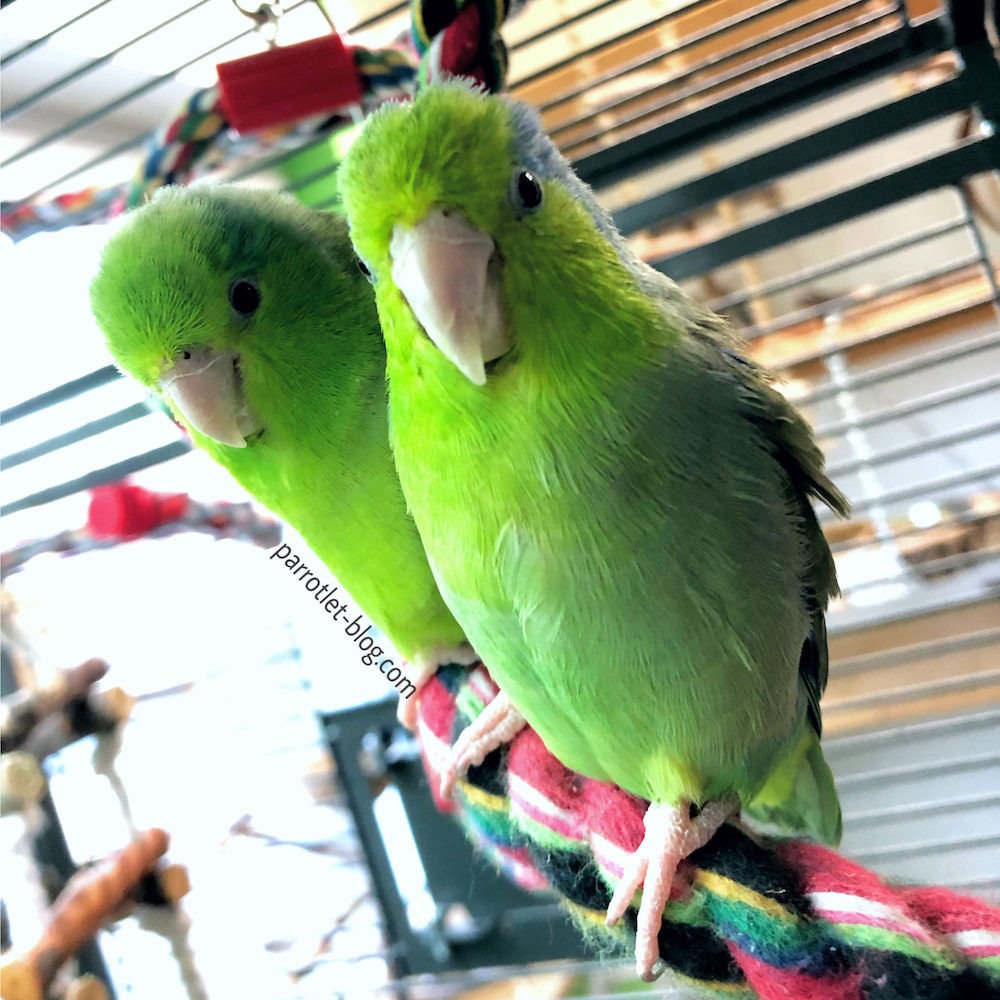
Sustaining motivation and consistent training is crucial for a successful parrot training journey. A well-structured and engaging training routine fosters a positive learning experience for both the parrot and the trainer. Maintaining this momentum relies on understanding the parrot’s needs and adjusting the training approach as the parrot progresses.
Regular Training Sessions
Regular training sessions, ideally scheduled at consistent times, are vital for establishing a routine and reinforcing learned skills. This consistency helps the parrot anticipate training time and associate it with positive experiences. The frequency and duration of sessions should be tailored to the parrot’s individual attention span and energy levels. For instance, shorter, more frequent sessions are often more effective with younger or less experienced parrots.
A structured routine, while flexible, helps to maintain the parrot’s interest and engagement.
Adapting Training Techniques
As the parrot demonstrates progress in specific skills, training techniques should be adapted to maintain challenge and prevent stagnation. This adaptation involves introducing new challenges, increasing the complexity of tasks, or varying the training environment. For example, if a parrot readily identifies and retrieves specific toys, the trainer could introduce a slightly more complex retrieval task, like retrieving the toy across the room or retrieving it after a slight delay.
This approach ensures that the parrot remains engaged and continues to learn.
Rewarding Small Successes
Positive reinforcement is paramount in parrot training. Rewarding even minor successes, such as a correct response or a brief demonstration of the desired behaviour, reinforces the desired behaviour and encourages further participation. This approach promotes a positive association with training, making it a rewarding experience for the parrot. Using a variety of rewards, including treats, praise, or toys, can further enhance the motivation and excitement of the training session.
Preventing Boredom and Maintaining Engagement
To prevent boredom and maintain engagement, training sessions should be varied and interesting. Introducing novel stimuli, such as new toys, or changing the training location, can help maintain the parrot’s attention and interest. Rotating training activities and incorporating play elements can also help keep training sessions enjoyable. For instance, a parrot trained to step up on a command could be rewarded by a new toy or a treat after a few repetitions, keeping the activity stimulating.
This approach helps to ensure that the parrot does not become desensitised to the training routine.
Safety Precautions During Parrot Training
Proper parrot training prioritizes the bird’s safety and well-being, ensuring a positive and mutually beneficial experience. A well-structured training program, coupled with diligent safety measures, can significantly enhance the learning process and prevent potential harm.Careful consideration of safety protocols during training is crucial to avoid stress and injury to the parrot. This includes appropriate handling techniques, secure cage setups, and awareness of potential hazards.
Understanding and implementing these precautions ensures a positive learning environment for both the parrot and the trainer.
Essential Handling Techniques
Appropriate handling techniques are paramount for parrot safety during training. Grasping the bird firmly but gently, supporting its body, and avoiding sudden movements are vital. Never grasp the parrot by its wings or tail. Using soft, supportive hands, and maintaining a secure grip, are essential. The bird’s comfort and security are paramount.
Cage Security During Training
Securing the parrot’s cage during training sessions is critical. Remove any potential hazards like dangling toys or cords within the parrot’s reach. Consider using a sturdy, well-fitted cover for the cage when training is not in progress. This preventative measure safeguards the bird from accidental escapes or injuries during training.
Potential Risks of Improper Training Methods
Improper training methods can lead to several risks for the parrot. Harsh or inconsistent training, using punishments, or failing to address the parrot’s needs can result in stress, fear, and behavioral problems. Negative reinforcement can create long-term trauma, hindering the training process and negatively impacting the parrot’s overall well-being.
Table of Potential Hazards and Preventative Measures
| Potential Hazard | Preventative Measures |
|---|---|
| Sharp objects (toys, cage parts) | Regularly inspect the cage and training area for any sharp objects. Replace or remove potentially hazardous items. |
| Accidental escapes | Secure the cage during training sessions and ensure the area is free of obstructions that could assist an escape attempt. |
| Exposure to drafts or extreme temperatures | Maintain a stable and comfortable temperature in the training area. Avoid placing the cage in areas with strong drafts. |
| Handling injuries | Use gentle and supportive handling techniques. Avoid sudden movements or rough handling. Ensure proper restraint for the bird during training. |
| Stress-related issues | Provide consistent and positive reinforcement during training sessions. Ensure sufficient rest and downtime between training sessions. Observe for signs of stress in the parrot. |
| Poisoning | Keep potentially toxic substances (cleaning products, medications, etc.) out of reach of the parrot. Ensure proper cleaning of the training area to prevent accidental ingestion of hazardous materials. |
Final Summary
In conclusion, training a parrot in a cage requires dedication, patience, and a deep understanding of your feathered friend’s unique characteristics. By implementing the strategies Artikeld in this guide, you can establish a strong bond, fostering mutual respect and enjoyment. Remember, consistency and positive reinforcement are key to success, and adapting techniques based on your parrot’s progress is vital.