Unlocking your parrot’s potential through engaging puzzle-based training is a rewarding experience. This method fosters problem-solving skills, encourages natural foraging behaviors, and strengthens the bond between you and your feathered friend. Positive reinforcement is key to success, ensuring a fun and enriching learning environment for your parrot.
This comprehensive guide explores the various facets of puzzle training for parrots, from selecting suitable puzzles to implementing effective training strategies and addressing potential challenges. We’ll cover everything from simple treat puzzles to more complex problem-solving challenges, ensuring your parrot’s journey is a positive and enriching one.
Introduction to Puzzle-Based Parrot Training
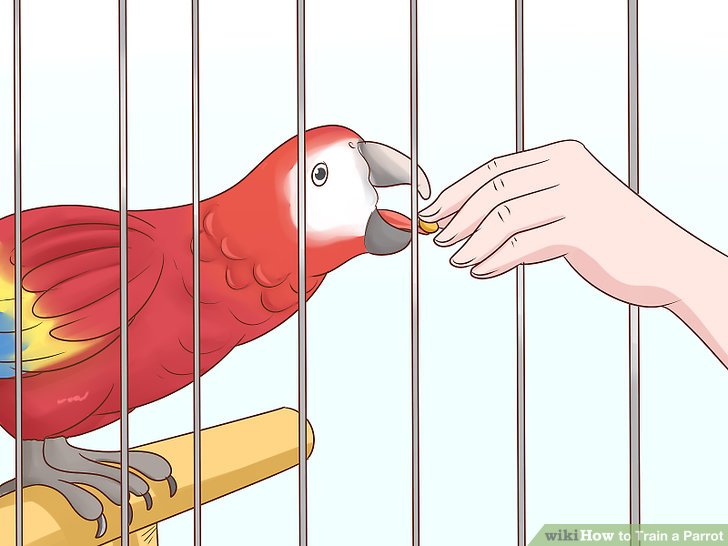
Puzzle-based training offers a stimulating and engaging approach to enriching a parrot’s life and fostering their cognitive development. This method leverages a parrot’s natural curiosity and problem-solving abilities, creating a fun and rewarding learning experience. Parrots are intelligent creatures, capable of complex learning, and puzzle-based training taps into this potential, promoting mental acuity and preventing boredom.This method goes beyond simple repetition, encouraging active participation and critical thinking.
By presenting a series of challenges, parrots are encouraged to explore, investigate, and manipulate their environment, leading to increased engagement and a deeper understanding of cause and effect. This approach not only enhances their cognitive skills but also strengthens the bond between parrot and owner through shared interaction.
Benefits of Puzzle-Based Training
Incorporating puzzles into a parrot’s routine offers numerous advantages. It provides mental stimulation, preventing boredom and promoting cognitive development. The process of problem-solving strengthens problem-solving skills, fosters critical thinking, and encourages creativity. Furthermore, puzzles encourage exploration and manipulation of objects, stimulating physical activity and dexterity.
Types of Puzzles for Parrots
A variety of puzzle types cater to different skill levels and interests. These puzzles are designed to engage parrots in a fun and rewarding way, while simultaneously challenging them mentally and physically.
Examples of Puzzle Types
- Simple Treat Puzzles: These puzzles typically involve hiding treats within simple compartments or tubes. They are ideal for beginner parrots and focus on basic problem-solving and foraging skills.
- Tube Puzzles: These puzzles involve manipulating levers, sliding pieces, or turning knobs to access hidden treats. They are more complex than simple treat puzzles, targeting dexterity and problem-solving skills, and are suitable for intermediate-level parrots.
- Rotating Disk Puzzles: These puzzles often have rotating disks or compartments that require the parrot to manipulate objects to find food. They encourage dexterity, problem-solving, and exploration.
- String or Rope Puzzles: These puzzles may involve pulling strings or ropes to reveal or retrieve treats. These puzzles promote dexterity and fine motor skills, engaging parrots in a more interactive way.
Puzzle Complexity and Skill Targets
The table below compares different puzzle types based on their complexity and the skills they target. Understanding the appropriate level of challenge is crucial for ensuring the parrot’s success and engagement.
| Puzzle Type | Complexity | Target Skills | Suitable Age/Stage |
|---|---|---|---|
| Simple Treat Puzzle | Low | Problem-solving, foraging, basic manipulation | Beginner |
| Tube Puzzle | Medium | Dexterity, problem-solving, foraging, object manipulation | Intermediate |
| Rotating Disk Puzzle | Medium-High | Dexterity, problem-solving, spatial reasoning | Intermediate-Advanced |
| String/Rope Puzzle | Medium | Dexterity, fine motor skills, foraging | Intermediate |
Selecting Appropriate Puzzles
Choosing the right puzzle is crucial for a successful parrot training program. A carefully selected puzzle will engage the parrot’s cognitive abilities, promoting learning and interaction. The puzzle should be tailored to the individual parrot’s needs, ensuring a positive and enriching experience.Selecting a suitable puzzle involves considering various factors. The key elements include the parrot’s current skill level, the puzzle’s size and shape, the materials used, and importantly, the puzzle’s safety and durability.
This meticulous selection process ensures a rewarding and safe learning environment for the parrot.
Parrot’s Skill Level and Cognitive Abilities
Parrots exhibit a wide range of cognitive abilities, and puzzle selection should align with their current skill level. Beginners benefit from simpler puzzles with fewer challenges, gradually increasing complexity as their problem-solving skills develop. Observing the parrot’s natural inquisitiveness and problem-solving tendencies can help in selecting appropriate puzzles. For instance, a parrot already adept at manipulating small objects might be ready for more intricate puzzles requiring complex movements.
This progressive approach ensures the parrot remains engaged and motivated throughout the training process.
Puzzle Size and Shape
The size and shape of the puzzle should be carefully considered in relation to the parrot’s beak and overall size. A puzzle too large or cumbersome might be challenging for the parrot to manipulate. Conversely, a puzzle too small might not offer sufficient stimulation or present enough of a challenge. Consider the parrot’s beak size and strength when choosing a puzzle.
Puzzles with rounded edges and smooth surfaces are generally safer and more comfortable for the parrot to interact with. Puzzles with appropriately sized compartments and access points allow for easier manipulation by the parrot.
Materials Used in Puzzle Construction
The materials used in puzzle construction are essential for safety and durability. Wood, for example, can provide a sturdy and engaging platform for the parrot, but must be treated to prevent splinters and other hazards. Natural materials like wood and bamboo are generally preferred for their durability. Plastic puzzles can be lightweight and durable but might not offer the same tactile stimulation as wood.
The material should be non-toxic and free from any harmful chemicals. Consider the parrot’s tendency to chew and select materials resistant to beak wear and tear.
Puzzle Safety and Durability
Safety and durability are paramount when choosing a puzzle. Ensure the puzzle’s components are securely fastened to prevent them from detaching and posing a choking hazard. The puzzle should be able to withstand the parrot’s manipulations without breaking or becoming damaged. Check for any sharp edges or rough surfaces that could injure the parrot. Regular inspections of the puzzle are recommended to ensure it remains in good condition and safe for use.
A durable puzzle ensures longevity and ongoing use throughout the parrot’s training.
Setting Up a Puzzle Training Session
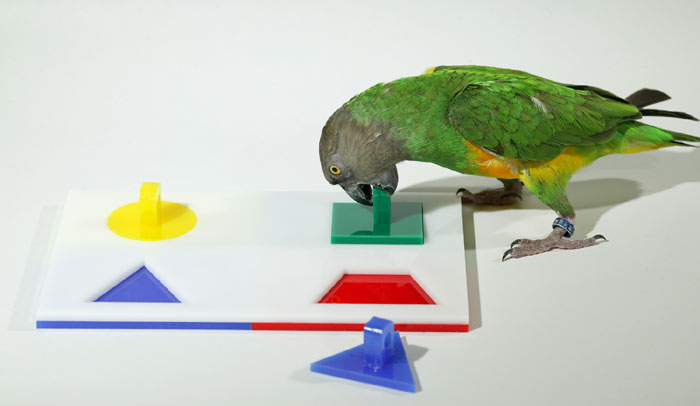
Creating a conducive environment is paramount for successful parrot training using puzzles. A positive and stimulating experience encourages the parrot to engage actively and fosters a strong bond between trainer and bird. This section details the optimal setup and strategies for maximizing learning through puzzle interaction.A quiet, distraction-free space is crucial for effective puzzle training. Parrots are easily distracted, and a noisy or chaotic environment will hinder their focus and learning progress.
Maintaining a calm atmosphere allows the parrot to concentrate on the puzzle-solving task, leading to quicker learning and more efficient problem-solving skills.
Optimal Training Environment
A dedicated training space, free from distractions, is essential for successful puzzle training. This space should be well-lit, but not overly bright, and easily accessible for both the trainer and the parrot. Minimizing external noises, such as television or radio, is vital. Familiar scents and soft background music (if preferred) can create a comforting and reassuring environment.
Quiet and Distraction-Free Area
A quiet and distraction-free environment is crucial for successful puzzle training. A dedicated area, free from other pets or children, is ideal. The space should be large enough for the parrot to move around comfortably while engaging with the puzzle. Minimizing external noises, such as loud conversations or sudden movements, is vital for optimal focus. Ensure the area is well-lit, but avoid harsh or flickering lights that might overwhelm the parrot.
Step-by-Step Training Session Setup
Consistent training sessions are vital for effective learning. A structured approach, with clear steps, promotes a positive and predictable experience. This consistency builds trust and encourages the parrot to associate puzzle-solving with positive reinforcement. The following steps detail a suggested structure for a training session:
- Prepare the Puzzle: Ensure the puzzle is clean and in good working order. Any necessary adjustments or modifications should be made before the session begins. This ensures the parrot can focus on the puzzle itself and not be distracted by mechanical issues.
- Establish a Positive Atmosphere: Begin the session with a positive and encouraging tone. Use calm and reassuring words to build trust and rapport. Avoid any harsh or negative language. This fosters a positive learning environment.
- Introduce the Puzzle: Place the puzzle in the designated training area. Observe the parrot’s initial reaction and allow them to explore the puzzle at their own pace. This gives the parrot the opportunity to familiarize themselves with the puzzle.
- Guide Gentle Exploration: Encourage interaction with the puzzle by gently guiding the parrot to manipulate its parts. Positive reinforcement, such as praise and treats, should be given for any attempts to interact with the puzzle. Avoid forceful interactions.
- Reward Desired Behavior: Immediately reward any successful interaction with the puzzle, such as opening a compartment or extracting a treat. This reinforces the desired behavior and motivates the parrot to continue engaging with the puzzle. Rewards can include treats, verbal praise, or a favorite toy.
- Conclude the Session: End the session on a positive note. Remove the puzzle and offer praise for their participation. A happy and engaged parrot is more likely to participate in future sessions.
Consistency in Training Sessions
Maintaining a consistent training schedule is vital for the parrot’s learning process. Consistency builds trust and allows the parrot to anticipate and prepare for training sessions. The parrot will associate the training area, time, and actions with positive experiences, leading to a more focused and engaged learning environment.
Rewarding Desired Behaviors
Positive reinforcement plays a critical role in shaping desired behaviors during puzzle training. Effective reward strategies motivate the parrot and encourage repeated engagement with the puzzle. Consider the following strategies:
- Immediate Reinforcement: Reward the desired behavior immediately after it is performed. This strengthens the association between the action and the reward. A quick reward creates a strong positive feedback loop.
- Variety in Rewards: Employ a variety of rewards, such as treats, praise, or favorite toys, to maintain the parrot’s interest and motivation. This prevents the parrot from becoming satiated with a single reward type.
- Verbal Praise: Use clear and encouraging verbal praise to reinforce desired actions. Positive language and tone will greatly contribute to a more positive and productive training session. “Good job!” or “Clever bird!” can be effective motivators.
- Visual Cues: Use visual cues, such as hand gestures or pointing, to guide the parrot toward the desired action. This helps the parrot understand what is expected of them.
Techniques for Effective Puzzle Training
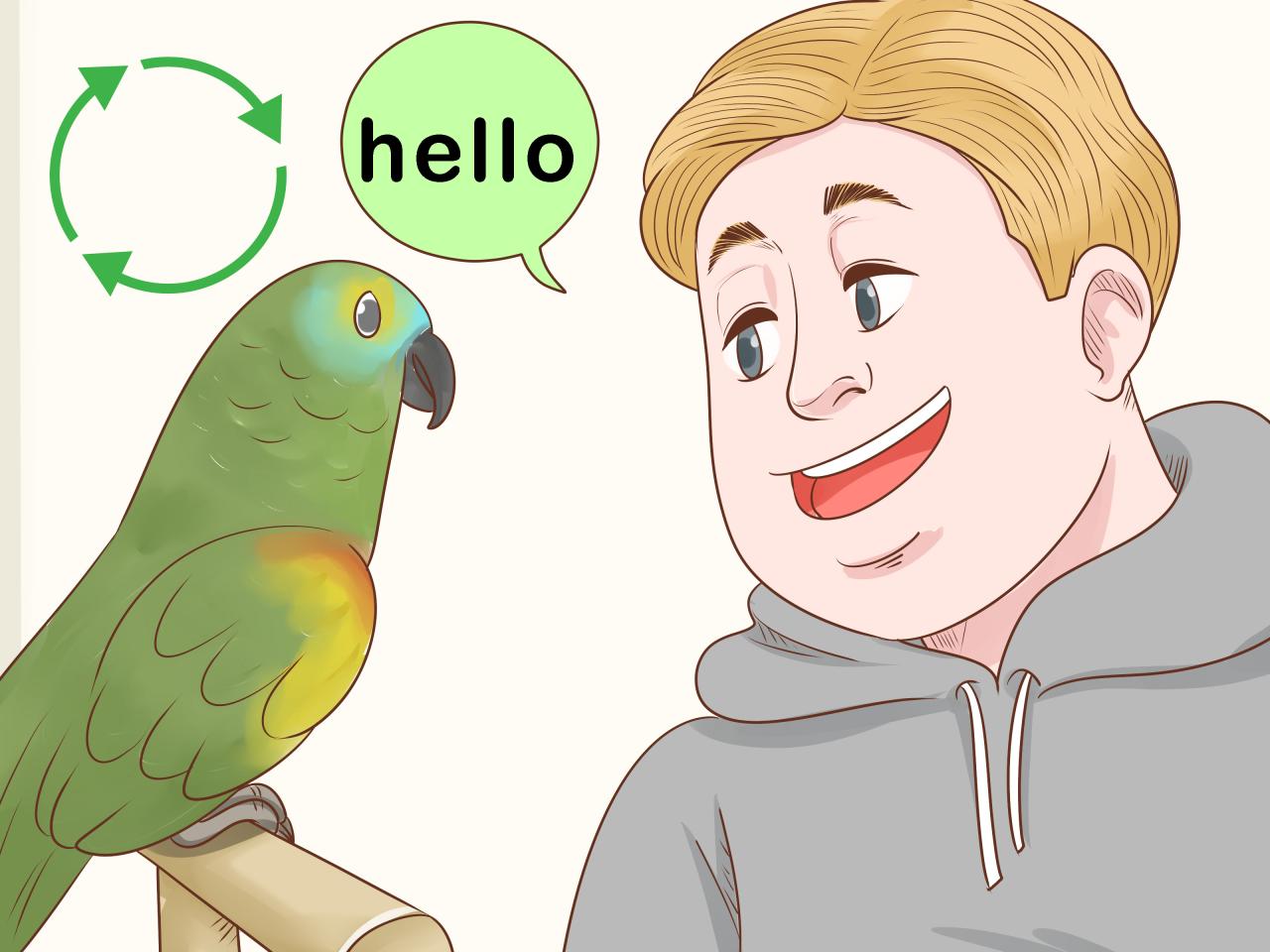
Effective puzzle training for parrots relies on positive reinforcement, gradual complexity, and unwavering patience. These strategies foster a positive learning environment, maximizing the parrot’s engagement and understanding. Understanding these techniques is crucial for building a strong bond and achieving desired results.
Positive Reinforcement Techniques
Positive reinforcement is a cornerstone of successful parrot training. It involves rewarding desired behaviors to encourage their repetition. This method is more effective than punishment, as it focuses on building a positive association with the learning process. By rewarding a parrot for interacting with the puzzle, they learn to associate the activity with positive outcomes.
- Verbal Praise: Using words like “good boy,” “smart bird,” or other positive affirmations can reinforce the desired behavior. The tone of voice is also important; a cheerful and enthusiastic tone is more effective than a flat or dismissive one.
- Treats: Offering small, palatable treats like pieces of fruit, vegetables, or specially formulated parrot treats is a powerful motivator. Choosing treats that your parrot enjoys is essential for maximizing their effectiveness.
- Toys: Parrots are naturally playful. Rewarding desired puzzle interaction with access to new toys can be a powerful motivator. The toys should be stimulating and engaging, providing a further reward for completing a puzzle.
Reward Strategies for Parrot Training
Reward strategies are vital for motivating parrots and maintaining their enthusiasm during training sessions. A diverse reward system is more engaging than relying on a single reward type. This allows for greater flexibility and keeps training sessions interesting.
- Variable Schedules: Varying the timing of rewards can maintain a parrot’s interest. Sometimes reward immediately after a correct action; other times, reward after a series of correct actions. This unpredictability keeps the parrot engaged.
- Graded Rewards: Start with small rewards for simple actions and gradually increase the reward size or complexity as the parrot masters more difficult tasks. This helps to keep the parrot motivated as the puzzles become more challenging.
- Reward Variety: Offering a mix of treats, praise, and access to toys provides a more enriching experience and keeps the parrot motivated. Rotating the type of reward can help maintain the parrot’s interest.
Table of Reward Types and Effectiveness
This table summarizes the effectiveness of different reward types. Note that effectiveness can vary depending on the individual parrot’s preferences.
| Reward Type | Description | Effectiveness |
|---|---|---|
| Treats | Food rewards (e.g., small pieces of fruit, vegetables, parrot-specific treats) | High |
| Praise | Verbal encouragement (e.g., “good job,” “smart bird”) | Medium |
| Toys | Access to new or engaging toys | Medium |
| Social Interaction | Brief interaction with the owner or other parrots | Medium-High |
Gradually Increasing Puzzle Complexity
Gradually increasing the complexity of the puzzles is crucial for ensuring continued learning and engagement. Starting with simple puzzles and progressively introducing more challenging ones is key to avoiding frustration for the parrot.
- Start Simple: Begin with puzzles that have easily accessible components and few steps to complete. This allows the parrot to develop confidence and understand the basic principles of interacting with the puzzle.
- Introduce New Elements: Gradually add new features, like different colors, textures, or more intricate mechanisms, to the puzzles. This ensures the parrot’s engagement without overwhelming them.
- Increase Difficulty: Increase the number of steps required to complete the puzzle or the level of precision needed for successful completion. A gradual increase will help the parrot to adjust.
Patience and Persistence
Patience and persistence are paramount in parrot training. Learning takes time, and frustration can easily discourage both the parrot and the trainer.
Learning to solve a puzzle requires repeated attempts and a calm demeanor.
Maintaining a positive and encouraging attitude is crucial for the parrot’s success and well-being. Be patient and celebrate even small victories. Consistent training sessions, even if short, are more effective than sporadic, long sessions.
Troubleshooting Common Challenges
Troubleshooting is a crucial aspect of parrot puzzle training, as it allows for proactive adjustments to address potential problems and ensure a positive learning experience for the bird. Understanding why a parrot might resist or struggle with a puzzle can help you tailor your approach and maintain motivation. Identifying and resolving these issues is vital for building a strong training relationship and maximizing the parrot’s learning potential.Addressing difficulties early on is key to maintaining the parrot’s engagement and preventing frustration.
By recognizing potential problems and implementing effective solutions, you can create a more enjoyable and productive training environment. This fosters a positive association with puzzle-solving, leading to improved performance and a more rewarding experience for both you and your feathered friend.
Identifying Parrot Resistance to Puzzles
Parrots may resist puzzles due to a variety of factors. A puzzle might be perceived as too challenging, leading to discouragement. Conversely, a puzzle could be too simple and lack sufficient stimulation, thus failing to hold the bird’s interest. The parrot’s current mood, recent experiences, or even changes in the environment can influence their willingness to engage with the puzzle.
Adapting Training Strategies for Struggling Parrots
When a parrot is struggling with a particular puzzle, it’s important to adapt the training strategy. This might involve simplifying the puzzle’s complexity, making the puzzle more engaging, or adjusting the training environment. Positive reinforcement, such as rewarding the parrot for even small successes, can help maintain motivation and build confidence. Regular evaluation of the parrot’s progress is crucial for timely adjustments and ensuring the puzzle remains challenging but attainable.
Table of Common Problems and Solutions
| Problem | Possible Cause | Solution |
|---|---|---|
| Bird avoids puzzle | Puzzle too challenging, or not engaging | Simplify puzzle, or use more engaging puzzle with varied textures or interesting smells. Consider a puzzle that is designed for the bird’s current skill level. |
| Bird becomes frustrated | Puzzle too difficult, or not properly motivated | Reduce complexity, or use positive reinforcement (treats, praise, or a favorite toy) to reward even small successes. Consider a break and return to the puzzle later. |
| Bird loses interest quickly | Puzzle is not stimulating enough, or the bird is bored. | Introduce variations in the puzzle or reward system. Vary the food items, puzzle shapes, or puzzle components. Consider using different puzzle types to maintain engagement. |
| Bird displays aggression towards puzzle | Puzzle is perceived as a threat, or there is a negative association. | Remove the puzzle, and provide a calming environment. Try a different puzzle, and introduce the new puzzle in a gradual, non-threatening manner. Avoid forceful interaction or harsh corrections. |
Dealing with a Parrot’s Resistance to Puzzles
Resistance to puzzles can be overcome by making the puzzle-solving experience more enjoyable and rewarding. Gradually increasing the complexity of the puzzles is crucial, starting with simpler puzzles that are easily solved, and then progressing to more intricate designs. Ensure the parrot receives immediate positive reinforcement for each successful attempt. A well-structured and encouraging environment can help overcome the parrot’s resistance to engaging with puzzles.
Advanced Puzzle Training Methods
Once your parrot has mastered basic puzzle manipulation, you can progress to more challenging and engaging activities. This involves incorporating problem-solving elements, enhancing cognitive skills, and combining puzzle training with other established training techniques. This progression is crucial for maintaining motivation and fostering a deeper understanding of the task.Moving beyond simple foraging and manipulation, advanced training focuses on complex problem-solving and intricate puzzles, pushing the parrot’s cognitive abilities to new heights.
The key is to gradually increase the difficulty and complexity of the puzzles while ensuring the parrot maintains engagement and enthusiasm.
Problem-Solving Puzzles
Introducing problem-solving puzzles is vital for advanced training. These puzzles require a sequence of actions or steps to achieve a desired outcome. This goes beyond simple manipulation and demands higher-level cognitive function. Examples include puzzles with multiple compartments or hidden compartments requiring a specific series of steps to access a reward. The complexity of these puzzles should increase gradually, ensuring the parrot remains engaged and motivated.
Enhancing Cognitive Skills
Puzzles can significantly enhance a parrot’s cognitive skills. They promote problem-solving abilities, memory, and critical thinking. For instance, puzzles with hidden compartments or requiring specific sequences of actions encourage memory recall and strategic planning. By using progressively more intricate puzzles, the parrot’s cognitive skills are challenged, and their understanding of cause and effect is strengthened. This mental stimulation is crucial for overall well-being and enrichment.
Combining Puzzles with Other Training Methods
Combining puzzle training with other training methods, such as vocalizations or target training, can further enhance learning. For instance, you might introduce a puzzle that requires the parrot to complete a specific action (like a vocalization) to access a reward. This interweaving of techniques makes the training more engaging and helps reinforce learned behaviors in a multifaceted manner.
This combined approach can be extremely effective in teaching a parrot new skills and behaviours.
Examples of Advanced Puzzles
| Puzzle Type | Description | Suitable for |
|---|---|---|
| Rotating Disc Puzzle | A puzzle with multiple compartments, each containing a treat. The compartments are hidden beneath rotating discs, requiring the parrot to manipulate the discs to access the treats. | Parrots with experience in disc manipulation and problem-solving. |
| Stacking Cups Puzzle | A puzzle involving stacking cups, with a treat hidden beneath the final cup. The parrot must follow a specific sequence to remove the cups and reach the reward. | Parrots who have mastered basic stacking and understand sequential actions. |
| Lever-Activated Puzzle | A puzzle with levers that, when activated in a specific order, reveal a hidden treat compartment. | Parrots adept at understanding cause and effect and have demonstrated a good understanding of lever manipulation. |
“Gradually increasing the complexity of puzzles is key to successful advanced training.”
These are just a few examples; the specific design and complexity should be tailored to the individual parrot’s abilities and preferences. Remember to always ensure the puzzle is safe and appropriate for the parrot’s size and strength.
Long-Term Puzzle Training Strategies
Sustaining parrot interest in puzzle training requires a proactive approach. A well-structured and engaging program is essential for long-term success and the parrot’s well-being. This involves adapting the training to the bird’s evolving abilities and ensuring the puzzles remain stimulating and challenging.
Maintaining Interest in Puzzle Training
Maintaining a parrot’s interest in puzzle training hinges on keeping the activities fresh and exciting. Introducing variety and complexity are key elements. Simply repeating the same puzzle over and over will quickly lead to boredom and a decline in engagement.
- Regularly rotating puzzles: Presenting a new puzzle or a variation on a familiar one every few sessions keeps the training fresh and exciting. This prevents the bird from becoming accustomed to a particular challenge and losing motivation. For example, a puzzle with a slightly different arrangement of compartments or a new treat hidden within will spark renewed interest.
- Increasing puzzle complexity: As the parrot masters a puzzle, incrementally increasing the difficulty level is vital to maintain engagement. Adding more steps, smaller compartments, or more intricate mechanisms will keep the parrot challenged and motivated. Gradually increasing the complexity is more effective than introducing a drastically different puzzle type.
- Mixing puzzle types: Utilizing a diverse range of puzzle types—from foraging to manipulation to problem-solving—helps maintain engagement. Varying the type of puzzles introduces novel challenges, preventing monotony. Introducing a foraging puzzle after a manipulation puzzle can maintain the bird’s interest.
Introducing New Puzzles
A systematic approach to introducing new puzzles is crucial for maintaining a positive learning experience. This ensures that the parrot continues to view puzzle training as a rewarding and enjoyable activity.
- Start with easier versions: When introducing a new type of puzzle, begin with a simpler version that aligns with the parrot’s current skill level. This allows the parrot to experience success and build confidence, fostering a positive association with the new type of puzzle.
- Gradually increase complexity: Once the parrot demonstrates proficiency with the simpler version, gradually increase the complexity of the puzzle. This allows for a smooth transition and prevents overwhelming the parrot with challenges beyond its current capabilities.
- Pair with familiar rewards: Using familiar rewards can help the parrot associate the new puzzle with a positive experience, fostering a willingness to engage.
Adjusting Training as Skills Evolve
Adapting the training regimen to reflect the parrot’s changing abilities is critical. This ensures that the puzzles remain challenging and stimulating, preventing stagnation in learning.
- Assess progress regularly: Regularly evaluating the parrot’s progress in mastering each puzzle type is essential for adjusting the training accordingly. Monitoring how the parrot interacts with the puzzle can reveal whether the current level is too easy or too difficult.
- Tailor challenges to the parrot’s current abilities: Puzzles should remain challenging but not frustrating. A parrot that consistently struggles with a puzzle may become discouraged, whereas a parrot effortlessly completing puzzles will lose interest. The goal is to find the sweet spot between difficulty and engagement.
- Adjust difficulty and complexity: As the parrot’s abilities grow, the difficulty and complexity of the puzzles should increase accordingly. The puzzles should always remain a suitable challenge for the bird, ensuring continued engagement.
Importance of Ongoing Monitoring and Adaptation
Ongoing monitoring and adaptation are vital to maintaining a productive and enjoyable puzzle training regimen. This proactive approach fosters a strong bond between trainer and parrot.
- Regular observation: Closely observing the parrot’s behavior during puzzle training sessions provides invaluable insight into its progress and motivation. Any signs of frustration or disinterest should be addressed promptly.
- Flexible training approach: Training should be adaptable to the parrot’s changing needs and preferences. If the parrot is losing interest in a particular type of puzzle, the training plan should be adjusted to re-engage the parrot.
- Adjusting the schedule: The training schedule should be flexible enough to accommodate the parrot’s needs and preferences. If the parrot seems fatigued or disinterested, the training sessions can be adjusted accordingly.
Puzzle Training for Parrot Well-being
Puzzle training offers numerous benefits beyond mere entertainment. Engaging activities can improve cognitive function, reduce boredom, and enhance overall well-being.
- Stimulates cognitive function: Puzzle training provides mental stimulation, keeping the parrot’s mind active and engaged. This mental activity is essential for maintaining a parrot’s cognitive health.
- Reduces boredom: Providing engaging activities can significantly reduce boredom and associated behavioral problems. This is especially beneficial for parrots who may be housed in smaller environments or have limited interaction.
- Enhances physical and mental well-being: Puzzle training provides a healthy outlet for parrots to explore their natural curiosity and problem-solving abilities. This enhances both their physical and mental well-being.
Last Point
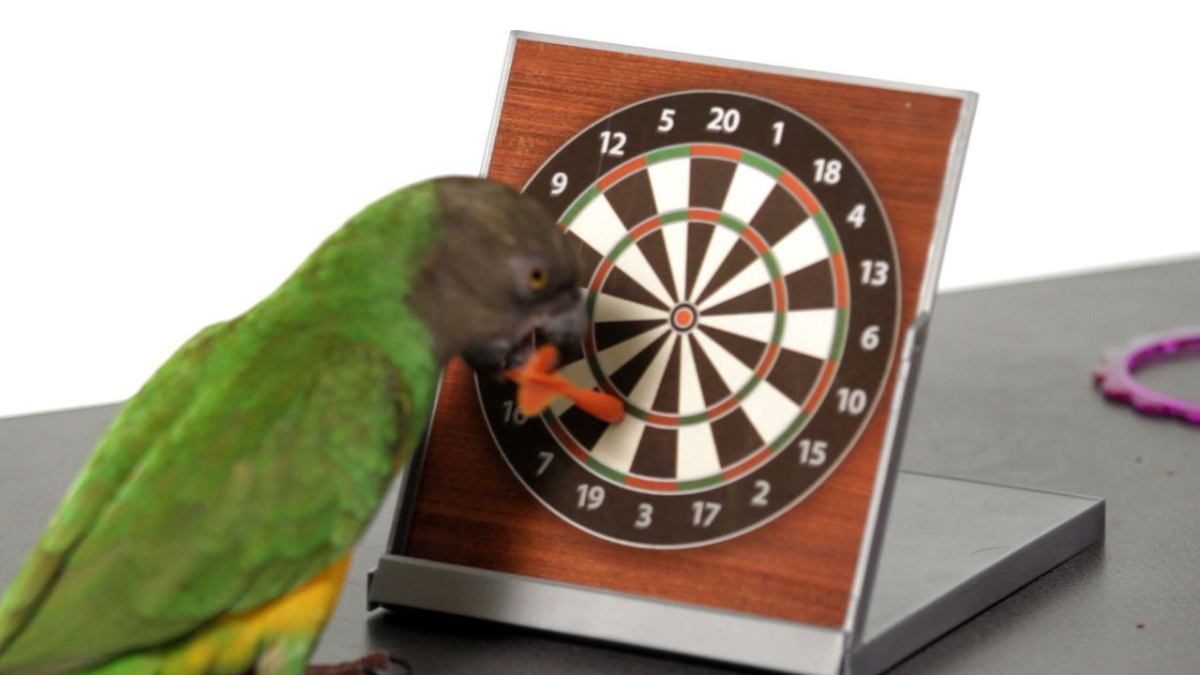
In conclusion, puzzle training provides a stimulating and enriching learning experience for parrots. By carefully selecting appropriate puzzles, establishing a positive training environment, and employing effective techniques, you can unlock your parrot’s cognitive abilities and create a deeper connection. Remember, patience, persistence, and positive reinforcement are crucial throughout the process.
This guide offers a robust framework for successful parrot puzzle training, from fundamental techniques to advanced methods. By understanding the nuances of this approach, you can empower your parrot with new skills and knowledge, creating a truly rewarding partnership.