Building a strong bond with a parrot is a rewarding experience, requiring a deep understanding of their unique needs and behaviors. This comprehensive guide delves into the intricacies of parrot communication, environment creation, and positive interaction strategies. From understanding individual personalities to addressing common challenges, this resource provides a roadmap to fostering a lasting and mutually beneficial relationship.
This guide covers everything from the essential elements of a parrot’s environment, such as cage size and enrichment, to positive reinforcement techniques for training. It explores the diverse needs of various parrot species, emphasizing the importance of understanding their specific behavioral patterns. The guide also addresses common challenges like aggression and fear, offering practical solutions for maintaining a harmonious living space.
Understanding Parrot Behavior
Parrots are captivating creatures with diverse personalities and behaviors. Their intelligence and social needs make them rewarding companions, but successful parrot ownership requires a deep understanding of their unique characteristics. Observing and interpreting their actions, vocalizations, and body language is crucial for fostering a strong bond.Understanding a parrot’s specific needs and motivations, along with recognizing individual personality traits, are vital for successful interactions and creating a stimulating environment.
This understanding fosters a more harmonious and fulfilling relationship with these remarkable birds.
Different Parrot Species and Their Behaviors
Parrots exhibit a wide array of behavioral patterns, significantly varying between species. These variations stem from their evolutionary history, ecological niches, and social structures. Understanding these differences allows for more effective interactions and enrichment strategies.
- Macaws, renowned for their size and vibrant plumage, often display boisterous and loud vocalizations. Their large size requires ample space and a varied diet. Macaws frequently engage in social interactions, with some exhibiting playful behavior and strong bonds with their owners.
- Cockatoos, known for their distinctive crests and often boisterous personalities, possess a wide range of vocalizations. They are highly intelligent and require mental stimulation. They can be very playful and enjoy interaction, but also have strong individual personalities that must be respected.
- Parakeets, often smaller in size, exhibit diverse behaviors. Their vocalizations range from soft chirps to louder squawks. They are generally more social and readily bond with their owners, but their needs for interaction and mental enrichment should not be underestimated.
Communication Methods of Parrots
Parrots use a variety of communication methods to convey their needs, emotions, and intentions. Understanding these methods is essential for building a strong bond.
- Vocalizations: Parrots use a vast repertoire of vocalizations, including squawks, whistles, screeches, and chirps. Each vocalization carries specific meaning, depending on context and individual parrot. For example, a soft chirp might indicate contentment, while a loud screech could signify agitation or alarm.
- Body Language: Parrots also communicate through subtle body language cues, including posture, eye contact, feather ruffling, and wing flapping. A puffed-up posture, for instance, may indicate fear or aggression. Observing these cues can reveal the parrot’s emotional state.
Parrot Needs and Motivations
Parrots have specific needs for physical and mental well-being. Understanding these requirements is crucial for ensuring their health and happiness.
- Social Interaction: Parrots are social creatures and thrive on interaction with their owners and other parrots. Adequate social interaction is critical for their emotional and psychological well-being.
- Mental Stimulation: Parrots are highly intelligent and require mental stimulation to prevent boredom and maintain a healthy mind. Providing toys, puzzles, and activities that challenge their intellect is essential.
- Dietary Needs: Different parrot species have specific dietary requirements. A balanced diet is vital for their physical health, with appropriate amounts of fruits, vegetables, and seeds.
Importance of Individual Parrot Personality
Every parrot possesses a unique personality. Acknowledging and responding to these individual differences is critical for building a strong bond.
- Individual Differences: While general behavioral patterns exist for each species, individual parrots may exhibit variations. Some parrots are outgoing and interactive, while others are more reserved and independent. Recognizing and respecting these variations is vital for creating a positive relationship.
Social Behavior Comparison Table
| Species | Social Behavior | Typical Vocalizations | Common Needs |
|---|---|---|---|
| Macaw | Generally social, often forming strong bonds with humans and other macaws; can be boisterous. | Loud, resonant squawks, screeches. | Large enclosure, varied diet, extensive mental stimulation. |
| Cockatoo | Intelligent and social; can be playful and demanding of attention; some may be more reserved. | Loud, often complex calls; screeches, whistles. | Large enclosure, varied diet, complex puzzles and toys. |
| Parakeet | Highly social, often forming strong bonds with humans; relatively easy to handle. | Chirps, whistles, squawks. | Smaller enclosure, varied diet, frequent interaction. |
Creating a Safe and Stimulating Environment
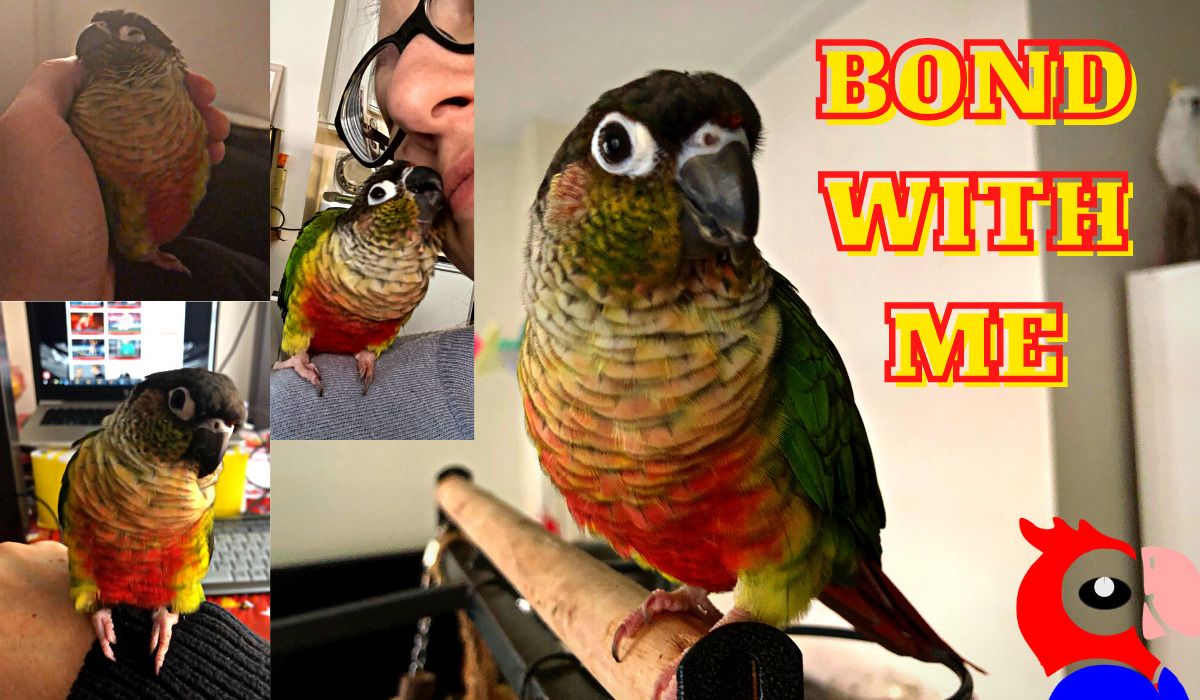
Providing a safe and stimulating environment is crucial for a parrot’s well-being and happiness. A properly designed cage, along with appropriate toys and enrichment activities, allows parrots to express their natural behaviors and prevents boredom, stress, and potential behavioral problems. This section details the ideal cage size and design, essential toys, and methods for creating a stimulating environment, encompassing foraging activities, perches, and the safe introduction of new items.Parrots are intelligent and active creatures requiring a stimulating environment to thrive.
Their physical and mental well-being hinges on a cage that fosters natural behaviors, such as foraging, climbing, and playing. A well-designed space with the right toys and activities can make a significant difference in a parrot’s quality of life.
Ideal Cage Size and Design
Parrots need ample space to move around, play, and engage in natural behaviors. The minimum cage size varies depending on the parrot species, with larger species requiring considerably more room. A cage that is too small can lead to behavioral issues, such as feather plucking and aggression. Consider a cage with multiple tiers, allowing for vertical exploration and exercise.
A cage with multiple perches at different heights and positions is essential for physical well-being. Appropriate cage placement is also critical; ensure it is in a safe, quiet location, away from drafts and excessive noise.
Essential Toys and Enrichment Items
Providing a diverse range of toys and enrichment items is vital for mental stimulation. These items should encourage natural behaviors, such as foraging, chewing, and manipulating objects. A parrot’s environment should not become static or monotonous; new and interesting objects are essential to keep their minds engaged.
- Foraging Toys: These toys are designed to encourage natural foraging behaviors. They often involve hiding food treats within the toy, requiring the parrot to work for their meals. These toys help prevent boredom and encourage problem-solving skills. Examples include puzzle feeders, foraging tubes, and foraging balls.
- Chew Toys: Parrots have a natural instinct to chew. Providing appropriate chew toys is crucial for maintaining beak health and preventing boredom. Hardwood branches, wooden toys, and sturdy rope toys are good options, ensuring they are safe and non-toxic.
- Climbing Structures: Parrots are naturally inclined to climb and explore. Providing climbing structures, such as ladders, ropes, and branches, allows them to exercise and fulfill their natural instincts. These structures can be incorporated into the cage design or used as stand-alone enrichment items.
- Mirrors and Play Blocks: Mirrors can provide visual stimulation, while play blocks can stimulate curiosity and problem-solving skills. Parrots often enjoy observing their reflections and manipulating the blocks.
Creating a Stimulating Environment
A stimulating environment incorporates a variety of textures, colors, and sounds. Parrots thrive in environments that mirror their natural habitats, encouraging natural behaviors. Consider a diverse array of objects to engage their senses.
Foraging Activities
Foraging activities are an excellent way to encourage natural behaviors. Parrots can be motivated to work for their food, developing problem-solving skills. Hiding treats within toys or scattering food throughout the cage creates an enriching experience.
Appropriate Perches and Climbing Structures
Providing a variety of perches is crucial for a parrot’s physical health. Different diameters and textures stimulate their feet and encourage natural behaviors. A range of perches at various heights also promotes exploration and exercise.
Safe Introduction of New Items
Introducing new items gradually and carefully is essential. Observe the parrot’s reaction to new toys and adjust the environment accordingly. If the parrot shows signs of stress or fear, remove the item and try again later. Introduce new items one at a time, allowing the parrot to adjust to the changes in its environment.
Parrot Toy Types and Benefits
| Toy Type | Benefits |
|---|---|
| Foraging Toys | Stimulates foraging behavior, encourages problem-solving, prevents boredom. |
| Chew Toys | Maintains beak health, prevents boredom, provides a natural outlet for chewing. |
| Climbing Structures | Encourages natural climbing behavior, promotes exercise, provides mental stimulation. |
| Mirrors | Provides visual stimulation, allows for self-observation. |
| Play Blocks | Stimulates curiosity, encourages problem-solving, and provides a way for the parrot to interact with the environment. |
Establishing a Bond Through Positive Interactions
Building a strong bond with a parrot hinges on consistent, positive interactions. This involves understanding and responding to their needs and cues, fostering trust and creating a mutually rewarding relationship. Parrots, like other animals, thrive in environments where they feel safe and appreciated. Consistent positive reinforcement is crucial for developing a lasting connection.Positive interactions are not merely about feeding or playing; they encompass understanding and responding to a parrot’s communication, both verbal and non-verbal.
This involves recognizing subtle cues such as body language, vocalizations, and changes in behavior. Recognizing and responding appropriately to these cues builds trust and encourages the parrot to engage in reciprocal interaction.
Importance of Consistent Positive Interactions
Consistent positive interactions are paramount for establishing a strong bond with a parrot. Regular, positive engagement builds trust and creates a safe, predictable environment for the parrot. This, in turn, encourages the parrot to participate in further interactions and strengthens the bond. Ignoring or inconsistently responding to a parrot’s needs can lead to frustration, fear, and ultimately, a weakened relationship.
Step-by-Step Guide to Building Trust
Building trust with a parrot requires patience and consistency. A gradual approach is essential. Start with short, positive interactions, focusing on gentle handling and verbal praise. Avoid sudden movements or loud noises. Observe the parrot’s body language; if it shows signs of discomfort or fear, immediately stop the interaction and try again later.
Reward desired behaviors with treats and praise. Over time, the parrot will learn to associate positive interactions with safety and security, fostering a strong bond.
Positive Reinforcement Training Techniques
Positive reinforcement training is a highly effective method for teaching parrots new behaviors and strengthening existing ones. It involves rewarding desired behaviors with positive reinforcement, such as treats, praise, or toys. Avoid punishment, as this can lead to fear and anxiety. Use clear and consistent commands and cues. Break down complex tasks into smaller, manageable steps.
Provide regular opportunities for practice and repetition. Remember that parrots learn at their own pace.
Identifying and Responding to Stress and Anxiety
Parrots can exhibit various signs of stress and anxiety. It’s crucial to identify these signs and respond appropriately. Common signs include changes in vocalization, feather plucking, changes in appetite, self-destructive behaviors, and withdrawal. Understanding the root causes of stress is equally important. If you notice any of these signs, consult with an avian veterinarian or a qualified avian behaviorist to determine the underlying cause and implement appropriate interventions.
Potential Stressors and Their Impact
A variety of factors can cause stress in parrots. These include changes in their environment, loud noises, lack of stimulation, and social interactions with other parrots or humans. Changes in routine, lack of appropriate toys or activities, and the presence of predators or perceived threats are also possible stressors. The impact of these stressors varies based on the parrot’s individual temperament and the severity of the stressor.
Comparison of Positive Reinforcement Methods
| Method | Description | Pros | Cons |
|---|---|---|---|
| Treats | Using edible rewards. | Highly motivating, easily accessible. | Can lead to over-reliance on treats, potential weight gain. |
| Praise | Verbal encouragement and affection. | Builds positive associations, non-invasive. | May not be as effective for all parrots, less immediate gratification. |
| Toys | Providing engaging and stimulating objects. | Encourages natural behaviors, promotes mental stimulation. | May require selection based on the parrot’s interests. |
Addressing Common Challenges
Building a strong bond with a parrot requires understanding and patience. Parrots, like all individuals, exhibit diverse behaviors, and addressing potential challenges effectively is crucial for a harmonious relationship. This section explores common difficulties encountered during the bonding process and provides strategies for resolving them.
Common Bonding Challenges
Understanding the potential challenges encountered in parrot bonding is essential for proactively addressing them. Parrots, being intelligent and complex creatures, may display various behaviors that can be misconstrued as problematic if not understood within their context. This section examines the most prevalent challenges.
- Aggression: Parrot aggression can stem from various factors, including fear, territoriality, or resource guarding. Understanding the underlying cause is critical to developing effective solutions.
- Fear and Insecurity: Parrots that exhibit fear or insecurity often display avoidance behaviors or become withdrawn. Addressing the root causes of these anxieties is essential for fostering trust and encouraging positive interactions.
- Biting: Biting can be a defensive or attention-seeking behavior. A thorough understanding of the triggers and context is crucial for implementing appropriate behavioral modification strategies.
- Screaming or Excessive Vocalization: While parrots communicate vocally, excessive screaming can be a symptom of stress, boredom, or a lack of stimulation. Appropriate enrichment and attention are often key to mitigating this behavior.
- Destructive Behavior: Chewing and destroying items can be a manifestation of boredom, stress, or lack of appropriate outlets for their natural behaviors. Providing stimulating environments and appropriate toys can be highly effective in addressing this issue.
Solutions to Parrot Behavioral Issues
Addressing behavioral issues in parrots requires a multifaceted approach, tailored to the individual bird and the specific behavior. A combination of environmental adjustments, training techniques, and positive reinforcement is often most effective.
- Environmental Enrichment: Providing a stimulating environment can significantly reduce destructive behaviors and encourage positive engagement. This includes offering a variety of toys, perches, and climbing structures.
- Positive Reinforcement Training: Training techniques using positive reinforcement, such as rewarding desired behaviors, can help modify unwanted behaviors and establish a more positive interaction dynamic. Consistency is key.
- Addressing Underlying Causes: Aggression, fear, and other problematic behaviors often have underlying causes, such as lack of socialization, improper diet, or insufficient environmental enrichment. Understanding these factors and addressing them is crucial.
- Veterinary Consultation: A veterinary consultation is recommended to rule out any medical conditions that might be contributing to the observed behavior. A proper diagnosis is crucial for effective treatment.
Methods for Addressing Conflicts Between Parrots
Conflicts between parrots can arise from various sources, including competition for resources, dominance struggles, or fear. Careful observation and a structured approach are essential for managing these conflicts.
- Individual Housing: In severe cases, temporarily separating the birds in individual cages may be necessary to reduce stress and prevent escalation of conflict. This provides a safe space for each bird to recover and prevents further conflict.
- Controlled Interactions: Structured, supervised interactions can help establish new patterns and reduce aggression. Introducing the birds in a controlled setting with minimal stressors can help improve their understanding of each other.
- Resource Management: Careful management of resources, such as food and perches, can minimize competition and potential conflict. Providing sufficient resources for all birds is essential.
Handling Parrot Aggression
Parrot aggression, while sometimes intimidating, is often a manifestation of underlying issues. Understanding the triggers and addressing the root cause is crucial for managing aggression effectively.
- Identifying Triggers: Identifying the specific triggers that provoke aggressive behavior is essential for developing effective interventions. This may involve observing the bird’s body language and noting the context surrounding the aggressive episodes.
- Redirecting Behavior: Providing appropriate outlets for the bird’s energy and frustration can help redirect aggressive tendencies. This may include engaging the bird in interactive play or providing stimulating activities.
- Safe Distance: Maintaining a safe distance during interactions can prevent escalation of aggressive behavior. This ensures the safety of both the bird and the handler.
Resolving Issues Arising from Fear or Insecurity
Fear and insecurity are common issues in parrots. Patience, understanding, and a gradual approach are vital for addressing these issues.
- Gradual Exposure: Gradual exposure to stimuli that trigger fear responses can help desensitize the bird and build confidence over time. Consistent, positive reinforcement is essential.
- Positive Association: Associating positive experiences with the feared stimulus can help the bird overcome its fear. This may involve offering treats or engaging in positive interactions during the exposure process.
- Providing Safe Space: Providing a safe space where the bird feels secure can help reduce anxiety and encourage exploration. This may involve a quiet corner or a separate area within the cage.
Comparing and Contrasting Approaches to Parrot Behavioral Problems
Different approaches to addressing parrot behavioral problems can vary widely, depending on the individual bird and the specific behavior. Understanding the pros and cons of various techniques is crucial for choosing the most effective approach.
Common Parrot Behaviors and Possible Causes
| Behavior | Possible Causes |
|---|---|
| Biting | Fear, anxiety, attention-seeking, resource guarding |
| Screaming | Stress, boredom, lack of stimulation, loneliness |
| Destructive chewing | Boredom, lack of stimulation, anxiety |
| Feather plucking | Stress, anxiety, boredom, medical conditions |
| Aggression towards other birds | Territoriality, dominance struggles, competition for resources |
Daily Interactions and Activities
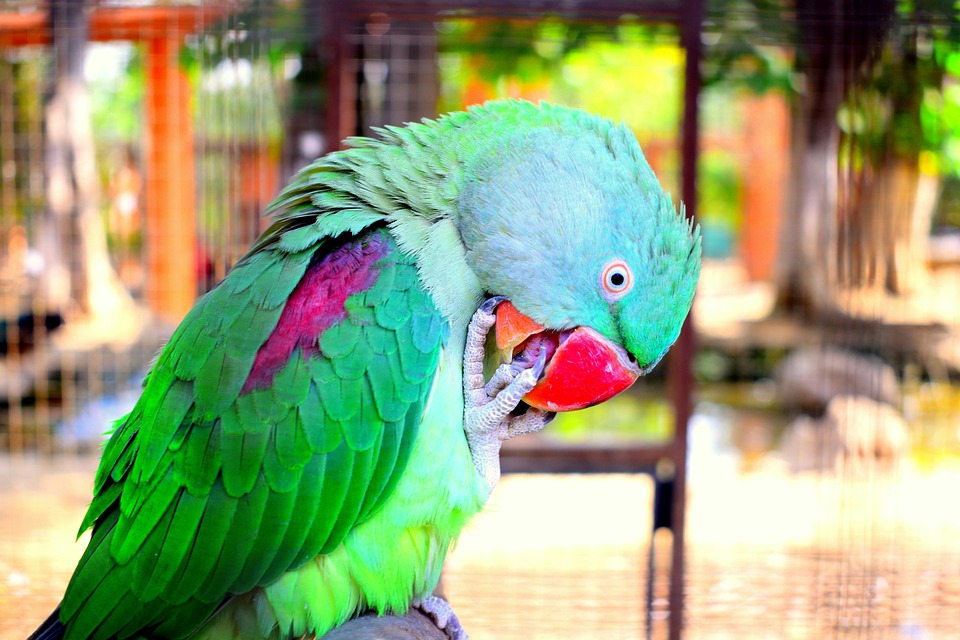
A consistent daily schedule and engaging activities are crucial for fostering a strong bond with your parrot. This routine provides predictability and security, which are essential for a parrot’s well-being and happiness. Furthermore, dedicated interaction time allows you to observe your parrot’s personality and preferences, enabling you to tailor activities to their specific needs and interests.A well-structured daily schedule, incorporating both structured and free-play time, creates a supportive environment for your parrot.
This routine, including specific interaction periods, allows for clear communication and understanding between you and your avian companion.
Sample Daily Schedule
A sample daily schedule for interacting with a parrot should incorporate periods of dedicated interaction, play, and rest. This schedule can be adjusted based on your parrot’s age, energy levels, and individual needs. Consistency is key. For example, a schedule might include morning playtime focused on problem-solving, afternoon enrichment activities, and evening quiet time.
Interactive Activities
Interactive activities should be tailored to your parrot’s interests and abilities. This includes offering toys and activities that stimulate their natural behaviors, such as foraging, climbing, and problem-solving. Providing a variety of stimuli helps keep your parrot engaged and prevents boredom.
Simple Games and Exercises
Simple games and exercises can include puzzle feeders, foraging toys, and object manipulation tasks. For example, you could hide treats in a foraging toy for your parrot to find, or present them with small objects to manipulate. Observe your parrot’s interest and adjust the complexity of the activity accordingly.
Importance of Routine and Predictability
Parrots thrive on routine and predictability. A consistent schedule creates a sense of security and helps them anticipate events. This predictability reduces stress and anxiety, enabling your parrot to feel more comfortable and confident in its environment. A regular routine, including specific interaction times, allows your parrot to anticipate your presence and engage positively with you.
Encouraging Natural Parrot Behaviors
Encouraging natural parrot behaviors, such as foraging, climbing, and vocalization, is essential for their well-being. Observing your parrot’s natural behaviors and providing appropriate stimuli can be key to bonding. For instance, if your parrot enjoys foraging, providing a variety of toys and treats that require searching can be extremely beneficial.
Making Bonding Time Fun
Making bonding time fun for both you and your parrot involves creating a positive and stimulating environment. Keep the interactions positive, rewarding, and engaging. For example, using positive reinforcement techniques like praise and treats can enhance your parrot’s willingness to participate. Ensure the interaction sessions are short, frequent, and enjoyable for both parties.
Table of Activities and Benefits
| Activity | Benefits |
|---|---|
| Puzzle feeders | Stimulates problem-solving skills, encourages foraging behavior, provides mental enrichment. |
| Foraging toys | Promotes natural foraging instincts, keeps the parrot engaged, and provides a source of entertainment. |
| Object manipulation | Encourages dexterity and coordination, fosters mental stimulation, and provides an engaging activity. |
| Mimicking sounds | Stimulates vocalization, provides mental enrichment, and encourages interaction. |
| Climbing toys | Supports natural climbing instincts, provides physical exercise, and offers a stimulating activity. |
Advanced Bonding Techniques
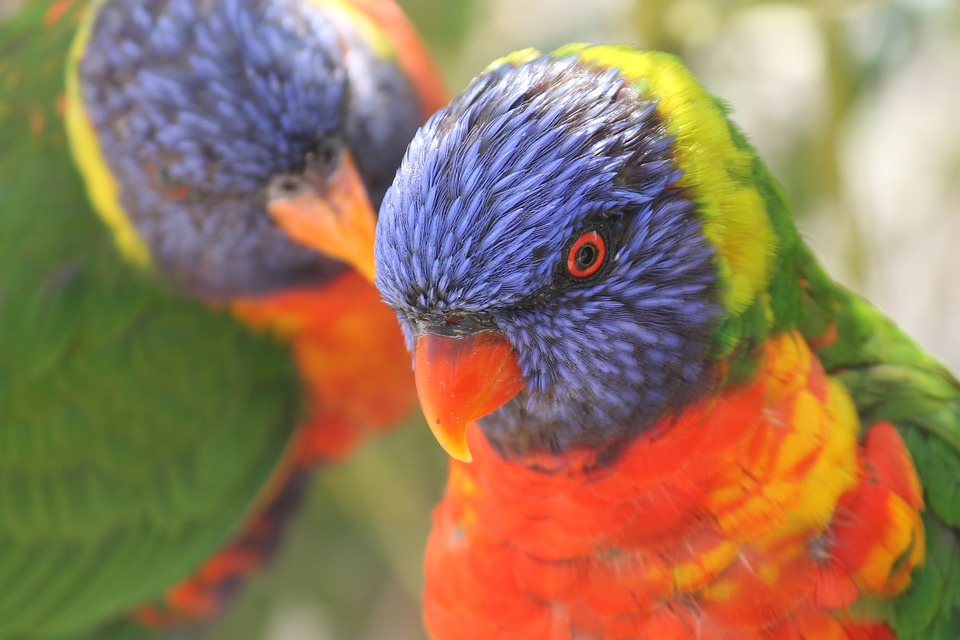
Building a deep and lasting bond with a parrot requires a multifaceted approach that extends beyond basic interactions. This involves understanding the nuances of parrot behavior, adapting your methods to individual species, and consistently nurturing the relationship through patience and positive reinforcement. Advanced techniques go beyond the daily routines, delving into more sophisticated communication and training strategies.
Specialized Training Methods for Specific Parrot Species
Different parrot species possess unique temperaments and learning styles. Understanding these differences is crucial for tailoring training methods effectively. For instance, African Grey parrots are known for their exceptional cognitive abilities and capacity for complex vocalizations. Training sessions might involve intricate problem-solving tasks, while Macaws might respond better to visual cues and physical manipulation of objects. Observing the parrot’s natural inclinations and preferences allows for the creation of a tailored training program.
This personalized approach enhances the bond by catering to the specific needs of each individual bird.
The Role of Patience and Consistency in Long-Term Bonding
Patience and consistency are paramount for fostering a long-term, meaningful bond with any parrot. A parrot’s learning process is not instantaneous; it requires consistent effort and understanding. Consistency in daily interactions, training schedules, and positive reinforcement helps the parrot anticipate and respond to your actions. Irregular routines or inconsistent responses can create confusion and hinder the development of trust.
Recognizing that bonding takes time and effort is crucial to avoid frustration and maintain a positive experience for both you and your feathered friend.
Using Verbal and Non-Verbal Cues for Communication
Effective communication is essential for a strong bond. Verbal cues, such as using a specific word or phrase consistently to indicate a desired behavior, are crucial. Non-verbal cues, like body language and hand gestures, can also be used to communicate with your parrot. Parrots respond to subtle changes in posture, tone of voice, and facial expressions. Learning to interpret these cues, and in turn, effectively communicating your needs, enhances mutual understanding and trust.
For example, a gentle hand gesture can signal a reward, while a firm but calm voice can indicate the need for a specific behavior.
Teaching Parrots Tricks and Behaviors
Teaching tricks and behaviors is a fun and engaging way to interact with your parrot and further strengthen the bond. Start with simple commands and rewards, gradually increasing the complexity of the tasks. Positive reinforcement, such as treats or praise, is crucial to motivate and encourage learning. Be patient and celebrate even small successes. The parrot’s engagement in these activities reinforces a sense of connection and shared accomplishment.
Techniques for Overcoming Specific Bonding Challenges
Challenges in bonding with a parrot can arise from various factors, including fear, shyness, or past negative experiences. Addressing these challenges requires a nuanced approach. For instance, if a parrot displays fear, creating a safe and secure environment is paramount. Gradually introducing new stimuli, maintaining a calm demeanor, and using positive reinforcement can help alleviate anxiety and encourage interaction.
If the parrot is hesitant to interact, spending more time observing its behavior and understanding its needs is essential. Gradually introduce interactive activities that encourage engagement, and reward any positive interaction.
Stages of Bonding and Corresponding Strategies
| Stage of Bonding | Strategies |
|---|---|
| Initial Interaction (First few weeks) | Create a safe and comfortable environment. Avoid sudden movements or loud noises. Focus on gentle interactions and positive reinforcement. Observe the parrot’s cues and adjust accordingly. |
| Building Trust (Months 1-6) | Maintain consistent daily interactions. Introduce interactive toys and activities. Provide opportunities for exploration and interaction in a secure space. Continue using positive reinforcement and praise. |
| Deepening the Bond (Months 6 onwards) | Introduce more complex training tasks. Encourage vocalizations and mimicry. Use verbal and non-verbal cues for communication. Create a strong routine of activities and interactions. |
| Long-Term Relationship (Years) | Maintain consistent interaction, training, and enrichment activities. Continue to learn and adapt to the parrot’s individual needs and preferences. Recognize and address any changes in behavior. |
Illustrative Examples of Parrot Bonding
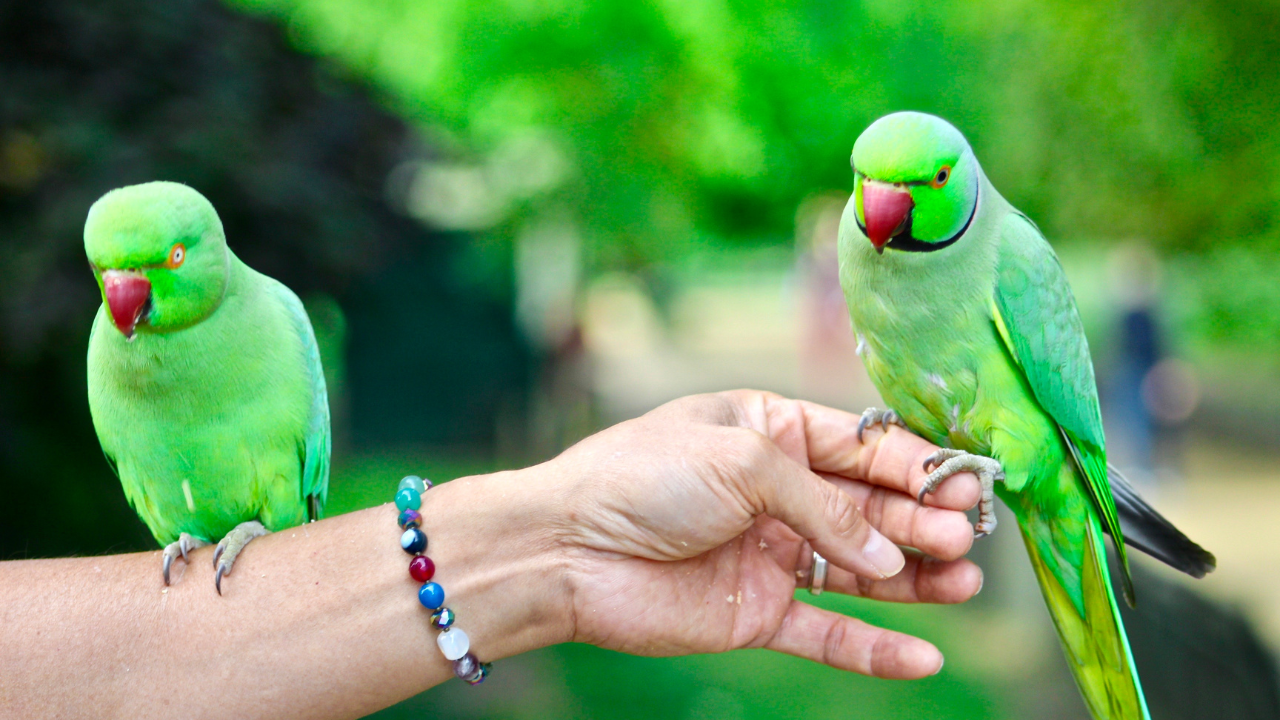
Parrot bonding is a multifaceted process deeply influenced by the unique characteristics of each parrot species, the environment in which they live, and the individual personalities of both the parrot and its human companions. Understanding these nuances allows for more tailored and effective bonding strategies. Careful observation and a willingness to adapt to the parrot’s specific needs are key to fostering a strong, positive relationship.Successfully bonding with a parrot involves more than just providing food and shelter.
It requires recognizing the parrot’s individual communication styles, understanding their emotional cues, and responding to them appropriately. By learning to interpret these signals, owners can cultivate a deep and lasting connection with their feathered companions.
Species-Specific Bonding Characteristics
Different parrot species possess varying levels of sociability and responsiveness. African Grey parrots, for instance, are renowned for their exceptional cognitive abilities and capacity for complex communication, which often translates to a strong desire for interaction and a correspondingly quicker bonding process with attentive owners. Macaws, known for their vibrant personalities and powerful vocalizations, can form deep bonds with individuals who understand their need for stimulating environments and consistent attention.
Smaller species like cockatiels, while often described as affectionate, require a more gentle and patient approach to bonding, focusing on consistent, low-key interactions. Their personalities often differ based on individual traits and early life experiences.
Successful Bonding Experiences
Numerous stories highlight the positive outcomes of careful bonding efforts. One owner of a vibrant Blue-fronted Amazon parrot recounted the gradual process of earning their parrot’s trust through consistent, positive interactions. Initially, the parrot displayed fear and hesitation, but with daily interactions focused on gentle handling and engaging toys, a clear shift in demeanor occurred. Over time, the parrot became more comfortable and responsive, exhibiting signs of affection and trust through gentle nuzzling and vocalizations.
Similar experiences demonstrate the effectiveness of personalized approaches and the importance of patience in fostering strong bonds.
Environmental Influence on Bonding
The environment plays a crucial role in shaping a parrot’s behavior and their ability to bond with humans. A parrot kept in a cramped, monotonous cage is less likely to develop a strong bond than one provided with a stimulating and spacious environment. This includes access to diverse toys, perches, and opportunities for natural behaviors like foraging. A parrot’s environment must also reflect their natural habitat as closely as possible.
Providing visual and auditory stimuli that mimic the parrot’s natural surroundings can positively impact the bonding process.
Role of Genetics and Personality
Genetic predisposition and individual personality traits significantly influence a parrot’s bonding potential. Some parrots are naturally more outgoing and receptive to human interaction, while others are more reserved and require a more cautious and consistent approach. A parrot’s past experiences, particularly during its early life, can also shape its personality and affect its willingness to bond. Recognizing these individual variations allows owners to tailor their interactions and anticipate potential challenges.
Owner Interaction Styles
Successful parrot owners employ various interaction styles, reflecting their individual approaches to bonding. Some owners focus on consistent daily routines, engaging their parrots in specific activities, while others prioritize play and exploration. Regardless of the approach, the key is consistency and patience. Owners who establish a routine of interaction and engagement, coupled with positive reinforcement, tend to build stronger bonds with their parrots.
Importance of Individualized Approaches
Individualized approaches to parrot bonding are essential for successful outcomes. There is no one-size-fits-all strategy. Parrots are complex creatures with diverse needs, and recognizing these individual differences is critical to creating a nurturing environment. A parrot that thrives on routine might not respond well to spontaneous interactions, while another might need more frequent interaction to feel secure.
Adjusting interactions based on the parrot’s responses is key to creating a positive and enduring bond.
Table of Successful Bonding Strategies
| Owner | Species | Bonding Strategy | Results |
|---|---|---|---|
| Sarah | African Grey | Consistent daily interaction, positive reinforcement, puzzle toys | Strong bond, parrot exhibits affection and trust |
| David | Macaw | Stimulating environment, foraging opportunities, varied play | Trusting relationship, parrot engages in complex interactions |
| Emily | Cockatiel | Gentle handling, low-key interaction, consistent routines | Affectionate parrot, comfortable with close interaction |
Last Point
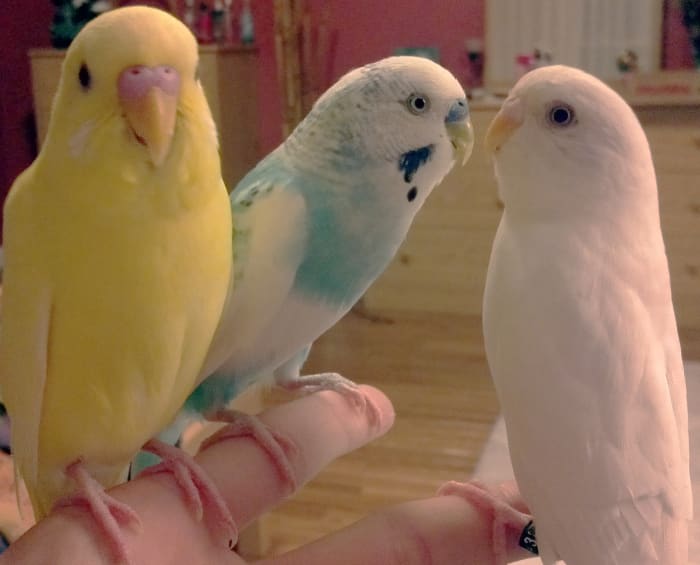
Ultimately, successful parrot bonding hinges on a combination of understanding, patience, and consistency. This guide provides a framework for nurturing a deep and lasting connection with your feathered friend. By considering individual needs, creating stimulating environments, and employing positive reinforcement, you can cultivate a relationship based on mutual respect and affection. Remember, each parrot is unique, and the key to a thriving bond lies in understanding and adapting to their individual personalities.