Parrot training can be a rewarding experience for both you and your feathered friend. This guide provides a comprehensive approach to using treats effectively, focusing on positive reinforcement techniques. We’ll delve into the fundamentals of parrot training, exploring the crucial role of strategic treat selection and application throughout various training stages.
From choosing the right treats to understanding optimal timing and frequency, this guide will equip you with the knowledge and practical steps to foster a strong bond with your parrot through effective training. We will cover everything from simple exercises to more complex training methods, emphasizing safety and the parrot’s well-being.
Introduction to Parrot Training with Treats
Positive reinforcement training is a cornerstone of effective parrot training. This method focuses on rewarding desired behaviors rather than punishing unwanted ones. Parrots, like other intelligent animals, learn best through positive associations. This approach builds trust and a strong bond between you and your feathered friend. Using treats strategically as rewards is a vital component of this process.Using treats in parrot training is more than just a tasty reward; it’s a powerful tool to shape behavior.
By pairing a specific action with a treat, you teach your parrot the desired response. The consistency and timing of treat delivery are crucial in establishing clear associations. This predictability strengthens the parrot’s understanding of the expected behavior and fosters a positive learning environment.
Fundamental Principles of Positive Reinforcement
The core principle of positive reinforcement is to associate a desirable behavior with a rewarding consequence. This creates a positive feedback loop, encouraging the parrot to repeat the desired action. This method builds trust and encourages your parrot to participate willingly in training sessions.
Importance of Strategic Treat Use
Treats play a pivotal role in positive reinforcement training. They act as a powerful motivator, encouraging parrots to learn new skills and repeat desired behaviors. Strategic use ensures treats are presented at the precise moment the parrot performs the desired action. This immediate reward strengthens the association between the action and the reward. Incorrect behaviors are not rewarded, thus reinforcing the desired ones.
Different Types of Parrot Treats
Parrots have diverse tastes and preferences. A variety of treats can be used in training, catering to individual needs and preferences. This broad selection allows you to find treats that effectively motivate your parrot. Experimentation with different options is key to finding what works best for your specific bird.
Evaluation of Different Treat Types
| Treat Type | Pros | Cons |
|---|---|---|
| Seeds (e.g., sunflower, millet) | Relatively inexpensive, readily available, some parrots enjoy them | Can be high in fat, potentially contributing to weight gain if overfed, some varieties can be choking hazards if not properly sized. |
| Fruits (e.g., berries, banana slices) | Natural, nutritious, parrots often enjoy them, good source of vitamins and minerals. | Can spoil quickly, some fruits can be difficult to handle due to size or stickiness. |
| Vegetables (e.g., carrots, bell peppers) | High in fiber, low in calories, many parrots enjoy them, good for overall health. | Can be less appealing than other treats, potentially harder to use in quick-response training. |
| Commercially Available Parrot Treats | Often formulated for parrots’ nutritional needs, readily available in various flavors and textures. | Can be more expensive than other options, may contain additives or ingredients that are not ideal for every parrot. |
The table above presents a concise overview of common parrot treat types, highlighting their respective advantages and disadvantages. Careful consideration of these factors will help you choose the most suitable treats for your training sessions. This allows you to tailor your training to your specific parrot’s needs and preferences.
Selecting Appropriate Treats
Choosing the right treats is crucial for successful parrot training. A well-chosen treat can motivate and engage your parrot, making the learning process enjoyable and effective. Conversely, an inappropriate treat can lead to dietary issues or diminish the parrot’s enthusiasm for training.Selecting treats involves careful consideration of various factors, including nutritional value, size, and shape. Understanding these aspects will significantly enhance the training experience, ensuring both a positive outcome for your feathered friend and a rewarding training session for you.
Factors to Consider When Choosing Treats
Understanding the nutritional needs of your parrot is paramount when selecting treats. Parrots have specific dietary requirements, and some treats can provide more nutritional benefits than others. Consider ingredients like fruits, vegetables, nuts, and seeds. Also, the size and shape of the treat are important considerations, impacting both the training process and the overall health of your parrot.
- Nutritional Value: Different treats offer varying nutritional profiles. Some treats, such as pieces of berries or cooked sweet potato, are rich in vitamins and antioxidants. Others, like small portions of unsalted nuts, provide healthy fats and protein. A balanced diet is key, so avoid treats that are high in sugar or unhealthy fats.
- Size and Shape: Treat size directly impacts how easily your parrot can grasp and consume it. Smaller treats are often easier to handle for smaller parrot species. Larger treats, however, might be better for larger parrot species or if you want to reward your parrot for longer training sessions. Consider the size of your parrot when selecting treats.
The shape should also be conducive to your training methods. A treat that is easy to hold and manipulate is preferred for tasks requiring fine motor skills.
- Ingredient Composition: Carefully examine the ingredients of commercial treats. Look for treats that contain natural ingredients and avoid those with artificial colors, flavors, or preservatives. Natural ingredients are preferable for a healthy diet.
Nutritional Value of Different Treats
A parrot’s diet needs a balance of nutrients. Different treats provide different nutrients. For example, fruits and vegetables are rich in vitamins and antioxidants. Nuts and seeds offer healthy fats and proteins. The nutritional composition of treats influences their suitability for training sessions.
Consider offering a variety of treats to ensure a balanced diet.
- Fruits: Berries, sliced apples, and bananas are good sources of vitamins and antioxidants. However, ensure the fruit is fresh and free of pesticides. Fruits are a great way to reward your parrot and provide essential nutrients.
- Vegetables: Carrots, bell peppers, and leafy greens provide vitamins and minerals. These should be a part of a parrot’s balanced diet.
- Nuts and Seeds: Unsalted nuts and seeds are excellent sources of healthy fats and protein. Provide these in moderation, as they can be high in calories. Offer nuts and seeds in limited quantities.
Comparing Treat Types
Different treats have varying nutritional profiles and training benefits. A well-structured comparison table can be extremely useful for selecting the most appropriate treats for your parrot’s training.
| Treat Type | Nutritional Content (Examples) | Training Benefits |
|---|---|---|
| Berries | Vitamins, antioxidants | High reward value, good for motivation |
| Carrots | Vitamins, minerals | Encourages healthy eating habits |
| Unsalted Nuts | Healthy fats, protein | High reward value, suitable for larger parrots |
| Small pieces of cooked sweet potato | Vitamins, antioxidants | Good for parrots with dietary needs |
Effective Treat Use in Training Sessions
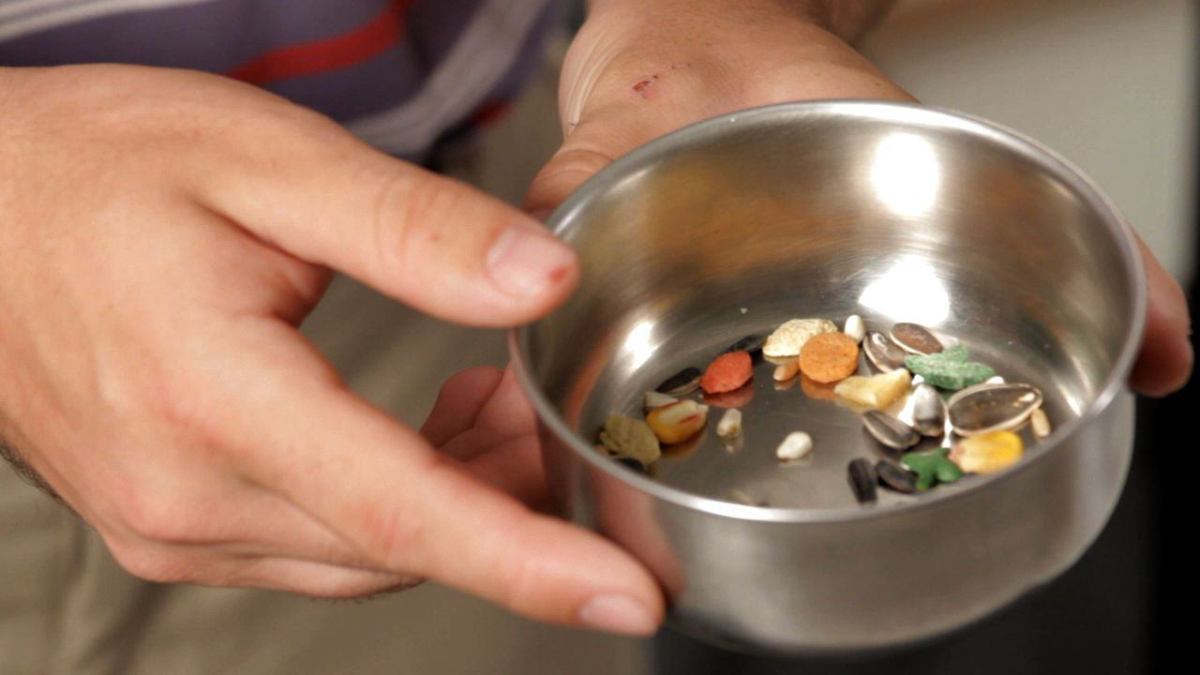
Utilizing treats effectively is crucial for positive reinforcement parrot training. Proper timing, frequency, and presentation methods are key to shaping desired behaviors and strengthening the training bond between you and your feathered friend. This section details the optimal approach to integrating treats into your training routine.Effective treat use goes beyond simply rewarding a parrot; it’s a powerful tool for shaping desired behaviors.
Understanding the principles of reward schedules and consistent delivery ensures that your training is both engaging and successful. By employing various presentation methods and adhering to a structured approach, you can enhance the training process and foster a positive learning environment for your parrot.
Optimal Timing and Frequency of Treat Delivery
Consistent and timely reward delivery is vital for establishing clear associations between actions and rewards. This reinforces the desired behavior and motivates the parrot to repeat it. Treats should be given immediately following the desired action, ideally within a second or two. This short interval creates a strong connection in the parrot’s mind between the behavior and the reward.
The frequency of treat delivery should be adjusted based on the training exercise and the parrot’s individual learning pace. More frequent rewards are often necessary during initial training phases, gradually decreasing as the parrot demonstrates proficiency.
Role of Reward Schedules in Shaping Parrot Behavior
Reward schedules play a significant role in shaping a parrot’s behavior. A variable reward schedule, where treats are given at unpredictable intervals, is often more effective in maintaining motivation and preventing the parrot from becoming overly reliant on immediate gratification. This approach can help maintain enthusiasm for training sessions and prevents the parrot from becoming bored or losing interest.
Different Methods for Presenting Treats During Training Exercises
Presenting treats in various ways can enhance engagement and maintain the parrot’s interest in the training process. Offer treats from different positions, such as hand-feeding, offering treats from a toy, or placing the treat in a specific location. The use of different locations and methods can keep the training stimulating and prevent monotony.
Significance of Consistency in Reward Delivery
Consistency in reward delivery is paramount for effective parrot training. Irregular reinforcement can confuse the parrot and diminish the effectiveness of the training. Maintaining a consistent approach ensures the parrot understands the expected behaviors and associated rewards.
Step-by-Step Procedure for Incorporating Treats into a Training Session
- Preparation: Gather all necessary supplies, including appropriate treats, training aids (e.g., perch, toys), and a timer. Ensure the training area is quiet and free from distractions.
- Establish a clear goal: Define the specific behavior you want to teach your parrot. For instance, “step up on command,” “speak a specific word,” or “fetch a toy.” Clearly stating the goal enhances the learning process.
- Begin with a positive interaction: Initiate a session by offering the parrot attention and interaction. This helps create a positive association with the training environment.
- Introduce the treat: Hold the treat in your hand or in a toy, close to the parrot. This demonstrates the positive reinforcement element of the session.
- Encourage the desired behavior: If the parrot performs the desired behavior, provide the treat immediately. A quick reward is crucial for effective association.
- Reward consistently: For each correct response, provide a treat. This reinforces the behavior.
- Gradually decrease frequency: As the parrot masters the behavior, reduce the frequency of treat delivery. This helps maintain motivation and prevents the parrot from becoming overly reliant on treats.
Examples of Simple Training Exercises That Use Treats
- Step-up training: Hold a treat near your hand, and as the parrot steps up, reward with the treat. Gradually increase the distance of the treat and the hand to make the exercise more challenging.
- Name recognition: Say your parrot’s name, and when the parrot responds, immediately give a treat. This helps reinforce name recognition and responsiveness.
- Simple commands: Teach simple commands, such as “step up” or “come here.” As the parrot responds correctly, reward with a treat. Consistency is key for these exercises.
Addressing Potential Challenges
Successfully training a parrot with treats requires understanding and addressing potential issues that may arise. These challenges, while common, can be effectively managed with careful planning and adjustments to your training approach. A proactive understanding of potential problems will help you maintain a positive and productive training experience for both you and your feathered friend.Effective training goes beyond simply offering treats; it involves a nuanced understanding of your parrot’s individual needs and preferences.
By anticipating potential difficulties, you can avoid frustration and ensure a more harmonious and rewarding learning process for your parrot.
Overfeeding and Treat Dependence
Consistent and appropriate treat use is crucial for positive reinforcement. However, overfeeding can lead to unwanted health issues in parrots, such as weight gain and digestive problems. Treat dependence can also emerge, where the parrot associates training solely with receiving treats, potentially hindering motivation for other desired behaviors.To avoid these issues, portion treats carefully and only offer them when the parrot performs the desired behavior.
Gradually reduce the frequency of treat rewards as the parrot masters the task. Pair treats with praise and positive verbal reinforcement to encourage intrinsic motivation alongside the external reward. Consider incorporating other forms of positive reinforcement, such as toys or playtime, to maintain a balanced approach.
Picky Eaters
Parrots, like humans, can exhibit preferences for certain flavors and textures. If your parrot is a picky eater, offering a variety of treats is essential. Explore different types of fruits, vegetables, and even commercially available parrot treats. Experiment with flavors and textures to identify what your parrot enjoys most. Observe your parrot’s responses to various treats and gradually introduce new options to broaden their palate.
Consistency in offering the preferred treats will help solidify the association between the desired behavior and reward.
Adjusting Training Methods
Parrots are individuals with unique personalities and learning styles. Recognizing and adapting your training methods to your parrot’s individual needs is vital for success. Some parrots may learn quickly, while others might require more patience and repetition. Tailoring your approach to your parrot’s temperament and learning pace can significantly impact the effectiveness of your training.For instance, a shy parrot might require a more gradual introduction to training, starting with short, positive interactions and gradually increasing the complexity of the tasks.
Conversely, a highly motivated parrot might benefit from more challenging training sessions, ensuring that the level of difficulty remains stimulating but not overwhelming.
Specific Scenarios Requiring Adjustments
Parrots exhibiting signs of stress or anxiety during training may require a change in approach. Shorten training sessions, use fewer treats, and prioritize creating a relaxed and positive environment. If a parrot shows signs of boredom or disinterest in a specific task, introduce a new behavior or modify the current task to increase engagement. Modifying the training location or the time of day can sometimes stimulate renewed interest.
Potential Challenges and Solutions
| Potential Challenge | Solution |
|---|---|
| Overfeeding leading to weight gain | Portion treats carefully and gradually reduce frequency of rewards. Offer healthy, appropriate treats in small quantities. |
| Treat dependence hindering intrinsic motivation | Gradually decrease the reliance on treats, using positive verbal reinforcement and alternative rewards (toys, playtime). |
| Picky eating habits | Offer a variety of treats, explore different flavors and textures. Observe your parrot’s responses and adjust accordingly. |
| Parrot’s learning style requiring adjustments | Tailor training methods to your parrot’s temperament and learning pace. Use shorter sessions and positive reinforcement techniques for shy parrots. |
| Parrot exhibiting stress or anxiety | Shorten training sessions, reduce the number of treats, and create a calm and positive environment. |
| Parrot showing disinterest | Introduce a new behavior, modify the current task to increase engagement, or change the training location or time of day. |
Treat Safety and Considerations
Ensuring the safety of your parrot during training is paramount. Careful consideration of treat selection, storage, and handling is crucial to prevent health issues and ensure a positive training experience. Parrots, like all animals, can have individual sensitivities and allergies, so understanding these factors is essential.Understanding the potential risks associated with treats allows you to make informed choices that prioritize your parrot’s well-being.
A thoughtful approach to treat selection and handling can significantly contribute to a safe and rewarding training process.
Importance of Treat Safety
Parrots can be susceptible to various health problems, including digestive issues, allergies, and even poisoning. Choosing safe treats and handling them appropriately is vital for preventing these complications. Improperly selected or handled treats can negatively impact your parrot’s health and well-being.
Potential Allergies or Sensitivities
Parrots, like humans, can exhibit allergies or sensitivities to certain foods. A treat that is perfectly safe for one parrot might trigger an adverse reaction in another. It’s essential to monitor your parrot’s reaction to new treats, observing for any signs of discomfort, such as itching, swelling, or digestive upset. If you notice any unusual behavior or symptoms after introducing a new treat, discontinue its use and consult a veterinarian.
Safe Storage and Handling of Treats
Proper storage and handling of treats are essential to maintain their freshness and prevent contamination. Store treats in airtight containers in a cool, dry place. This helps prevent moisture buildup and insect infestation, ensuring the treats remain safe for consumption. Always wash your hands thoroughly before handling treats to avoid transferring any potential contaminants to the treats. Handle treats gently to prevent them from becoming damaged or soiled.
Treats to Avoid for Parrot Training
Certain treats can pose significant risks to your parrot’s health. These include, but are not limited to, foods that are toxic or harmful to parrots. It’s crucial to avoid offering potentially harmful foods to prevent adverse reactions.
Safe and Unsafe Treats for Parrot Training
| Treat | Safe/Unsafe | Reason |
|---|---|---|
| Fruits (e.g., berries, melon, apple) | Safe | Fruits are generally safe and offer vitamins and minerals. |
| Vegetables (e.g., carrots, peas, sweet potato) | Safe | Vegetables are a good source of fiber and vitamins. |
| Seeds (e.g., sunflower seeds, pumpkin seeds) | Unsafe (in excess) | While some seeds are okay in moderation, excessive consumption can lead to obesity, digestive issues, and nutritional imbalances. |
| Grapes and Raisins | Unsafe | Grapes and raisins are toxic to some birds and can cause kidney failure. |
| Chocolate | Unsafe | Chocolate contains theobromine, which is toxic to birds. |
| Avocado | Unsafe | Avocado contains persin, which can be harmful to birds. |
| Salty or sugary foods | Unsafe | Excessive salt and sugar can cause health problems. |
| Salty or sugary foods | Unsafe | Excessive salt and sugar can cause health problems. |
| Processed meats and foods | Unsafe | Processed foods are generally high in fat, salt, and preservatives, and can be detrimental to a parrot’s health. |
| Nuts (e.g., peanuts, almonds) | Unsafe (in excess) | Nuts can be a good source of protein, but excessive consumption can cause digestive issues and obesity. |
Training Techniques with Treats
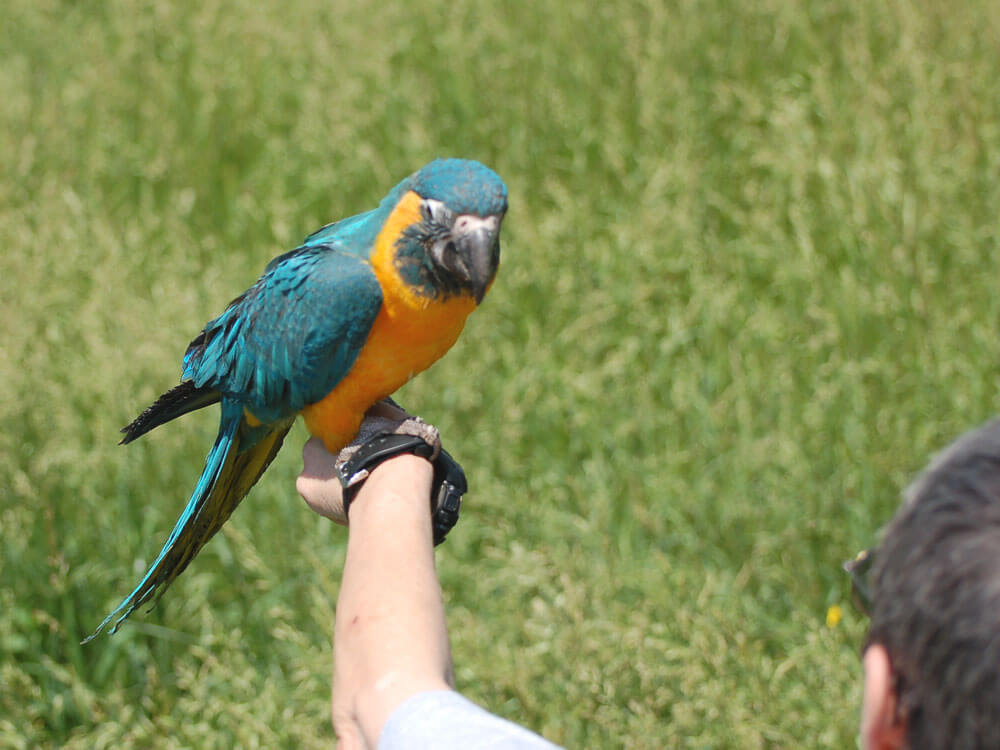
Treats play a crucial role in shaping and reinforcing desired behaviors in parrot training. They act as powerful motivators, enabling trainers to effectively guide parrots towards learning new skills and mastering existing ones. A well-structured training program utilizing treats fosters a positive learning environment, building a strong bond between trainer and parrot.
Shaping and Luring
Shaping involves gradually molding a desired behavior by rewarding successive approximations. Begin by rewarding any behavior that resembles the target behavior. For instance, if you want a parrot to step up on a perch, reward it for approaching the perch, then for placing a foot on it, and finally for stepping completely onto the perch. Luring uses a treat to guide the parrot into the desired position or action.
By gently moving the treat, the parrot learns the specific movement required to obtain the reward. This method is particularly useful for teaching complex sequences of behaviors.
Clicker Training with Treats
Clicker training combines the use of a clicker with treats to mark and reinforce desired behaviors. The clicker acts as a precise marker, signifying the exact moment the parrot performs the desired action. Immediately following the click, the treat is presented, reinforcing the behavior. This technique builds a strong association between the behavior and the reward, making the training process more efficient and precise.
Parrots quickly learn to associate the click with the forthcoming treat, increasing their engagement and motivation.
Target Training with Treats
Target training involves using a small, easily-handled target (such as a small, brightly colored object) to guide the parrot into the desired position. The parrot is rewarded with a treat each time it touches the target with its beak or other body part. This method is highly effective for teaching precise movements, especially for behaviors requiring directional control.
By associating the target with a reward, the parrot learns to follow instructions more readily.
Problem-Solving Tasks Using Treats
Problem-solving tasks are an important part of a parrot’s cognitive development. These tasks encourage the parrot to think critically and apply learned skills to overcome obstacles. For example, you can hide a treat under a small obstacle and reward the parrot for finding it. These exercises not only enhance the parrot’s problem-solving abilities but also increase their engagement and mental stimulation.
Gradually increasing the complexity of the tasks challenges the parrot’s intelligence and keeps the training dynamic.
Various Training Techniques and Their Application with Treats
- Step-up Training: Reward the parrot for approaching the perch, then for placing a foot on it, and finally for stepping completely onto the perch. Each step is reinforced with a treat.
- Step-down Training: Reverse the process from step-up training. Reward the parrot for each step it takes down from the perch.
- Color Recognition: Present treats of different colors and reward the parrot for choosing a specific color.
- Object Recognition: Place different objects near the parrot and reward it for selecting a specific object.
- Voice Commands: Pair a verbal command with the action and reward the parrot with a treat when it executes the command correctly.
- Puzzle Toys: Use puzzle toys that require the parrot to manipulate objects to access a treat inside. This stimulates problem-solving skills.
Advanced Training Strategies with Treats
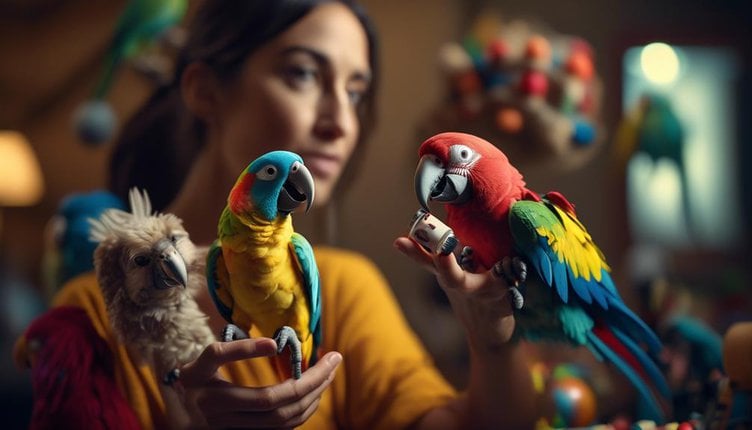
Mastering advanced parrot training involves progressively challenging exercises, utilizing treats as powerful motivators. This phase moves beyond basic commands and focuses on problem-solving, critical thinking, and complex behaviors. A crucial element is maintaining a positive and engaging training environment, fostering a strong bond between you and your feathered companion.By strategically incorporating treats, we can encourage parrots to excel in more sophisticated tasks, showcasing their intelligence and adaptability.
This approach also enhances the training experience for both the parrot and the trainer, creating a mutually rewarding learning journey.
Advanced Obedience Strategies
Implementing treats for advanced obedience builds upon fundamental commands. Parrots learn nuanced responses to varied cues and situations. This involves shaping complex behaviors using successive approximations. For instance, teaching a parrot to “fetch” a specific object from a designated location requires breaking down the task into smaller, manageable steps, rewarding each successful step with a treat. This gradual reinforcement helps the parrot grasp the complete sequence.
Teaching Problem-Solving and Critical Thinking
Utilizing treats to encourage problem-solving requires presenting challenges that necessitate thinking. For example, a puzzle toy containing a treat can motivate a parrot to manipulate various components to access the reward. Another approach is to present the parrot with multiple options, rewarding the correct choice. Consistent positive reinforcement and patience are paramount in this phase, as problem-solving requires more cognitive effort from the parrot.
Examples of Advanced Training Exercises
Advanced exercises using treats encompass a diverse range of tasks. One example is teaching a parrot to identify and retrieve specific objects. This involves presenting several objects, only one of which contains a treat. Correct identification is rewarded. Another exercise is teaching a parrot to sort objects by color or shape, with a reward for correct sorting.
This builds upon the parrot’s understanding of visual cues and problem-solving skills.
| Exercise | Description | Reward |
|---|---|---|
| Object Retrieval | Parrot retrieves a specific object from a designated location. | Treat |
| Object Sorting | Parrot sorts objects by color or shape. | Treat |
| Puzzle Solving | Parrot manipulates puzzle components to access a treat. | Treat |
Furthermore, tricks and tasks can be introduced. These may include performing specific movements or navigating through obstacles. For instance, a parrot can be taught to “play dead” or to “wave”. These actions are achievable through positive reinforcement. These more creative tasks offer intellectual stimulation for the parrot, making the training sessions more engaging.
Treat Variety and Enrichment
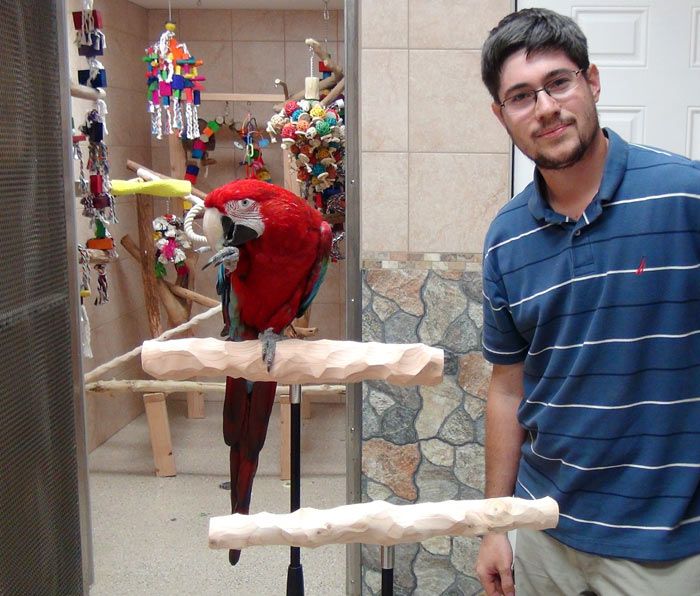
Providing a diverse range of treats is crucial for parrot enrichment and overall well-being. A monotonous diet, even one consisting of “healthy” foods, can lead to nutritional deficiencies and behavioral issues. Variety in treats stimulates natural foraging instincts and keeps your parrot engaged and entertained.A balanced diet for a parrot goes beyond just the nutritional value of the food.
Enrichment is paramount in mimicking natural behaviors and promoting mental and physical stimulation. Treats play a vital role in this process, offering both a reward for desired behaviors and a source of enjoyment.
Importance of Treat Variety
A varied treat selection caters to a parrot’s diverse palate and nutritional needs. Parrots, like many animals, have preferences and enjoy exploring different tastes and textures. Offering a range of treats can encourage exploration and prevent boredom, reducing the likelihood of behavioral issues stemming from repetitive diets.
Incorporating Treats into the Daily Diet
Treats should be incorporated thoughtfully into a parrot’s daily diet. Small portions of treats, a few times a day, can be used as rewards for good behaviors or simply as enjoyable additions to their mealtime routine. Treats should never replace a healthy, balanced diet, but rather supplement it. It is essential to observe the parrot’s response to different treats to identify preferences and ensure proper digestion.
Treat Variety and Parrot Well-being
Treat variety positively impacts a parrot’s well-being in multiple ways. It promotes mental stimulation by encouraging foraging and exploration. This mental engagement, in turn, reduces stress and boredom, which are linked to various health problems. Furthermore, the varied flavors and textures enhance the enjoyment of mealtimes, fostering a positive association with feeding time.
Treat Categories and Examples
A diverse diet for a parrot includes a range of food groups, mimicking their natural foraging behaviors. The following table Artikels various treat categories and suitable examples:
| Treat Category | Examples |
|---|---|
| Fruits | Berries (strawberries, blueberries, raspberries), melon (cantaloupe, watermelon), apples (small pieces), bananas (small pieces) |
| Vegetables | Carrots (small pieces), bell peppers (small pieces), zucchini (small pieces), leafy greens (spinach, kale, romaine lettuce) |
| Seeds and Nuts | Sunflower seeds, pumpkin seeds, almonds (small pieces), walnuts (small pieces) |
| Commercial Parrot Treats | Parrot biscuits, pellets specifically designed for treats |
| Insects | Mealworms (cooked and lightly dusted with calcium powder), crickets (cooked and lightly dusted with calcium powder) |
Fresh Fruits and Vegetables
Fresh fruits and vegetables should be an integral part of a parrot’s diet, not just as treats, but as a significant component. They provide essential vitamins, minerals, and fiber crucial for maintaining good health. Fresh produce offers a natural and nutritious alternative to many processed treats, offering a wider range of vitamins and minerals. These should be part of the daily diet, not just occasional treats.
Offer small, manageable portions of fresh fruits and vegetables alongside other treats.
Wrap-Up
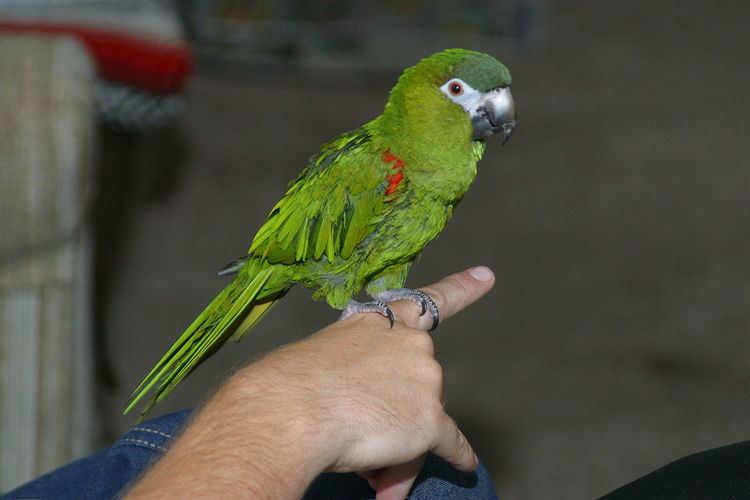
In conclusion, this comprehensive guide has explored the multifaceted aspects of using treats for parrot training. By understanding the principles of positive reinforcement, selecting appropriate treats, and implementing effective training techniques, you can create a rewarding and enriching experience for both you and your parrot. We’ve highlighted the importance of consistency, safety, and adapting training methods to individual parrot needs.
Ultimately, this approach emphasizes building a strong bond and fostering a positive learning environment.