Parrots are captivating creatures, and providing them with the freedom to explore and interact with their environment is crucial to their well-being. A properly fitted and used harness allows for safe and controlled exploration, whether it’s training, outdoor adventures, or simply giving your feathered friend a new perspective. This guide provides a comprehensive overview of parrot harnesses, covering everything from selection and application to maintenance and troubleshooting.
From basic harnesses designed for everyday use to specialized safety harnesses for more adventurous activities, this guide will equip you with the knowledge to make informed decisions when choosing the right harness for your parrot. Understanding the different types, their features, and the specific needs of your parrot will ensure a safe and enjoyable experience for both you and your feathered friend.
Introduction to Parrot Harnesses
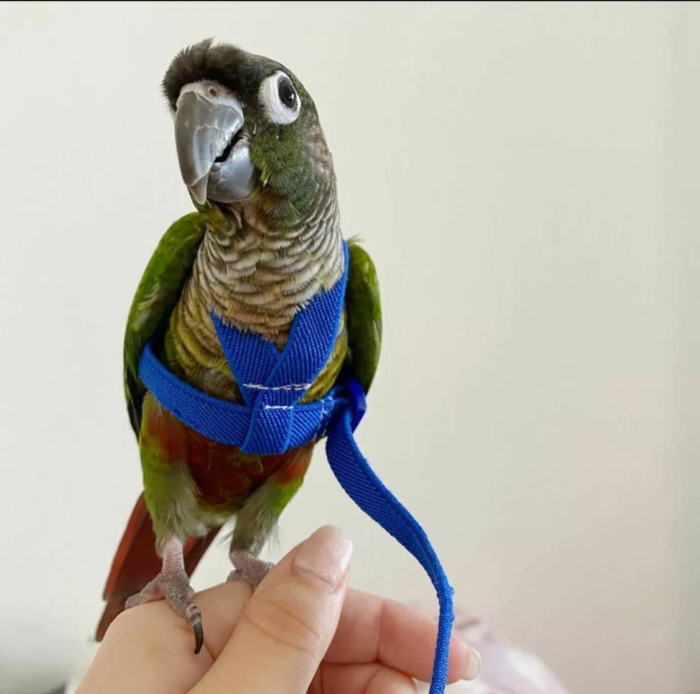
Parrot harnesses are crucial safety and training tools for avian companions. They provide a secure and controlled way to handle parrots during various activities, from routine care to exciting adventures. Properly fitted and used harnesses minimize the risk of injury for both the parrot and the handler.Harness selection and usage are critical for a positive and safe experience.
Different types of harnesses cater to specific needs, allowing owners to adapt to their parrots’ individual behaviors and preferences. Understanding the various types, their benefits, and appropriate use will lead to a rewarding and secure relationship with your feathered friend.
Types of Parrot Harnesses
Parrots require specialized harnesses, tailored to their size, species, and needs. These harnesses are designed for various purposes, ranging from everyday handling to specialized training sessions. Understanding the distinctions between different types will help you choose the best option for your parrot.
Basic Harnesses
Basic harnesses offer a fundamental level of security and control for routine tasks like handling, bathing, or transporting your parrot. They typically feature a simple design, often made of lightweight, durable materials. These harnesses are suitable for parrots who are accustomed to being handled and are generally less active.
Safety Harnesses
Safety harnesses prioritize the safety of the parrot during handling, particularly in potentially hazardous environments or activities. They usually include robust materials, reinforced stitching, and secure fastening mechanisms. These harnesses are essential for parrots that may exhibit escape tendencies or for activities involving elevated surfaces or potential falls. They are crucial for protecting your parrot in risky situations.
Training Harnesses
Training harnesses provide a controlled environment for teaching your parrot new skills or behaviors. They typically include specific features to aid in training, such as adjustable straps or attachment points for leashes. Training harnesses are essential for encouraging positive behavior and building trust between you and your parrot.
Comparison of Harness Types
| Harness Type | Material | Size Options | Features |
|---|---|---|---|
| Basic Harness | Soft, breathable nylon or cotton; sometimes with a mesh backing | Small, medium, large, and extra-large, sized according to the parrot’s body measurements | Simple design; quick-release buckles; minimal features |
| Safety Harness | Durable nylon or polyester with reinforced stitching; often includes a chest strap for added security | Small, medium, large, and extra-large, sized according to the parrot’s body measurements | Stronger buckles; additional chest straps or torso support; often with reflective strips for visibility |
| Training Harness | Durable nylon or polyester; often with additional attachment points for leashes or training aids | Small, medium, large, and extra-large, sized according to the parrot’s body measurements | Adjustable straps for precise fit; additional attachment points for leashes or training aids; might have a loop for clipping a leash |
Choosing the Right Harness
Selecting the appropriate parrot harness is crucial for ensuring your feathered friend’s safety and comfort during outdoor activities. A well-fitting harness allows for freedom of movement while providing necessary security, preventing escapes and injuries. Careful consideration of various factors, including parrot size, activity level, and harness design, is essential for a positive experience.Proper fitting is paramount. A harness that is too tight can restrict breathing and cause discomfort, while one that is too loose can easily slip off, potentially leading to injury.
A properly fitted harness allows the parrot to move freely while maintaining a secure connection.
Factors to Consider in Harness Selection
Choosing the right parrot harness involves evaluating several crucial factors. Parrot size, activity level, and harness design all play significant roles in selecting a suitable harness. The correct harness can transform outdoor adventures into enjoyable experiences for both you and your bird.
Parrot Size and Harness Selection
Accurately determining your parrot’s size is critical for selecting a harness that fits properly. A harness that is too small can restrict movement and cause discomfort, while a harness that is too large can slip off, leading to potential danger. Proper measurement ensures a secure and comfortable fit. Measure the parrot’s chest circumference at the widest point, and ensure the harness allows for a snug but not restrictive fit.
This measurement should be consistently checked against the harness manufacturer’s sizing guidelines. For example, a medium-sized African Grey parrot will require a harness that accommodates its chest circumference.
Parrot Activity Level and Harness Selection
The parrot’s activity level influences the type of harness needed. A highly active parrot might benefit from a harness with additional security features to prevent escapes, while a less active parrot may require a simpler design. Consider how your parrot typically moves and how the harness will accommodate those movements. A more robust design might be necessary for a parrot that enjoys climbing or flapping around.
For instance, a parrot that spends most of its time flying around a treetop needs a more secure harness than a parrot that mostly stays on a perch.
Harness Design and Features
Different harness designs offer varying levels of security and comfort. Consider the harness’s material, adjustability, and attachment points. A harness made of breathable, lightweight material is crucial for comfort, while secure attachment points prevent accidental escapes. Look for harnesses with adjustable straps for a customized fit and buckles that are easy to use and lock securely. Harness materials should be durable and resistant to wear and tear.
For example, nylon harnesses are often a good choice for their durability and breathability.
Measuring Your Parrot for Harness Selection
Accurate measurement is essential for selecting a harness that fits your parrot correctly. To measure your parrot, use a soft tape measure and wrap it around the parrot’s chest at its widest point. Be sure to keep the tape measure snug but not tight. This measurement will guide your selection of the appropriate harness size. Record this measurement for future reference, and compare it to the size charts provided by the harness manufacturer.
Harness Selection Factors
| Factor | Description | Importance |
|---|---|---|
| Parrot Size | Measured chest circumference at the widest point. | Ensures a secure and comfortable fit, preventing discomfort or escape. |
| Parrot Activity Level | Consider the parrot’s typical movements and behaviors. | Allows for selection of a harness with appropriate security features to accommodate activity. |
| Harness Design | Material, adjustability, attachment points, and buckle design. | Affects comfort, security, and ease of use. |
Safe Harness Application and Use
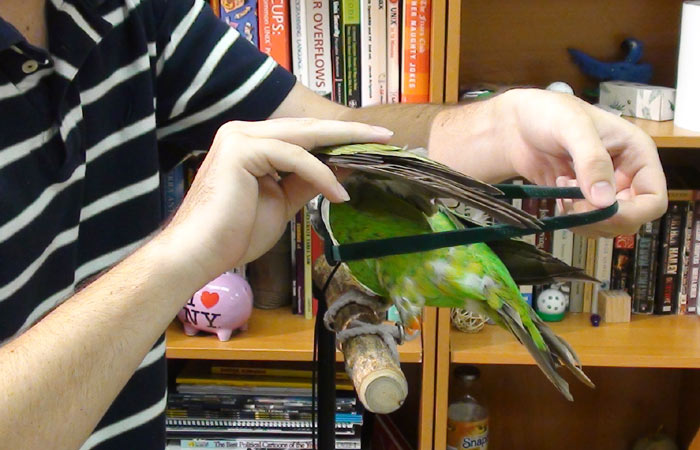
Properly securing a parrot harness is crucial for the bird’s safety and comfort during outdoor activities. A well-fitted and applied harness allows for freedom of movement while minimizing risk of injury. Incorrect application can lead to discomfort, injury, or even escape. This section will guide you through the safe application process, highlight common mistakes to avoid, and provide tips for maintaining the harness.A secure parrot harness ensures the bird’s safety and well-being.
Careful application and regular maintenance are essential to prevent any issues.
Proper Steps for Securing a Parrot Harness
This section details the precise steps for a safe and secure harness application. Following these instructions ensures the harness is properly fitted and the bird is comfortable.
- Harness Placement: Begin by carefully placing the harness on the parrot. Ensure the chest straps are snugly positioned around the bird’s chest, avoiding constriction or pressure points. The ventral straps should fit snugly against the parrot’s abdomen, providing a secure but comfortable fit. Observe that the straps are not excessively loose or tight, maintaining an even pressure distribution.
- Adjusting the Chest Straps: Adjust the chest straps to achieve a secure fit, but avoid tightening excessively. The straps should not constrict breathing or restrict movement. Ensure the straps are snug enough to prevent the harness from sliding but loose enough to allow the parrot to move its wings and body freely.
- Adjusting the Ventral Straps: The ventral straps should be adjusted to maintain a secure fit without causing discomfort. The parrot should be able to move its legs and body freely. The straps should not dig into the parrot’s skin or restrict its movement.
- Checking the Fit: After adjusting all straps, carefully check the harness for a snug but comfortable fit. The parrot should be able to move its wings, body, and legs freely. Ensure there are no areas of constriction or pressure points. Observe the bird’s demeanor; discomfort might be exhibited through subtle signs.
- Securing the Buckle: Once satisfied with the fit, securely fasten the buckles of the harness, ensuring they are locked in place. Double-check that the buckles are securely closed to prevent the harness from loosening during use.
Common Mistakes to Avoid During Harness Application
Avoiding these common mistakes ensures a safe and comfortable experience for the parrot. Understanding these pitfalls can prevent potential issues during harness application.
- Tightening the Harness Too Much: Over-tightening the harness can restrict the parrot’s breathing and movement, leading to discomfort and potential injury. Ensure the harness is snug but not constricting.
- Incorrect Strap Placement: Improper positioning of the straps can lead to uneven pressure and discomfort for the parrot. Pay close attention to the placement of the chest and ventral straps.
- Ignoring the Parrot’s Reaction: Observe the parrot’s response to the harness. If the bird shows signs of distress or discomfort, adjust the harness immediately. Changes in behavior, such as squawking or struggling, indicate discomfort and should be addressed.
- Skipping the Fit Check: Always check the harness for a secure fit after adjusting the straps. A thorough fit check ensures the parrot is comfortable and the harness is not causing any pressure points.
How to Adjust a Parrot Harness for a Secure Fit
Proper adjustment ensures the harness remains secure and comfortable throughout the parrot’s use. A well-fitted harness is critical for safety and prevents discomfort.
- Assess the Parrot’s Body: Before adjusting, observe the parrot’s body size and shape. This helps in determining the appropriate tension for each strap.
- Adjust Chest Straps: Adjust the chest straps to ensure a secure but not constricting fit around the parrot’s chest. The straps should not impede the bird’s breathing or movement.
- Adjust Ventral Straps: Adjust the ventral straps to achieve a snug but comfortable fit across the parrot’s abdomen. Avoid constricting the parrot’s movement.
- Check for Pressure Points: After each adjustment, carefully check for any areas of pressure or discomfort on the parrot’s body. Adjust as needed to ensure a secure but comfortable fit.
- Observe Parrot’s Behavior: Monitor the parrot’s behavior after each adjustment. If the parrot shows signs of discomfort, adjust the harness accordingly.
Tips for Maintaining a Parrot Harness
Regular maintenance ensures the harness remains in good condition and continues to function effectively. Proper maintenance is crucial for the long-term safety and comfort of the parrot.
- Regular Inspection: Periodically inspect the harness for any signs of wear and tear, such as frayed straps or damaged buckles. Early detection of damage is essential to prevent accidents.
- Cleaning: Clean the harness regularly to remove dirt and debris. Use a mild soap and water solution to clean the harness. Avoid harsh chemicals that could damage the material.
- Storage: Store the harness in a cool, dry place when not in use. Avoid storing the harness in direct sunlight or high humidity areas.
Harness Use in Different Scenarios
Parrot harnesses are invaluable tools for enhancing the safety and well-being of these feathered companions. Proper use of a harness allows for controlled exploration and interaction in various environments, fostering a positive experience for both the parrot and their owner. Understanding how to use a harness in diverse situations is crucial for responsible parrot ownership.Harness use is more than just about securing a parrot; it’s about providing a safe and enriching environment.
Different situations call for different approaches to harness application and supervision. Careful consideration of the specific scenario is key to ensuring the parrot’s comfort and safety.
Harness Use for Training Sessions
Harness use in training sessions offers significant advantages, promoting positive reinforcement and enabling controlled movement. By securely attaching the harness, the parrot remains close to the handler, allowing for focused interaction and training. Training sessions can incorporate commands like “step up” or “step down,” while maintaining a sense of control. This helps build trust and strengthens the bond between parrot and owner.
A properly fitted harness will not restrict the parrot’s movement, enabling them to respond naturally to commands.
Harness Use for Outdoor Adventures
Outdoor adventures can be exciting for parrots, but safety is paramount. A harness ensures the parrot’s safety and prevents escape during outdoor activities like walks in a park or visits to a bird-friendly outdoor area. When using a harness for outdoor adventures, ensure the parrot is accustomed to wearing it. Supervise the parrot closely and ensure the environment is safe.
Consider factors such as potential hazards, weather conditions, and the parrot’s comfort level. For example, in a park, watch for branches, tall grass, and other obstacles that might be a concern.
Harness Use for Travel
Harnessing a parrot for travel ensures safety and minimizes stress during transportation. A properly fitted harness prevents the parrot from escaping from the carrier or injuring itself during travel. The harness allows for secure attachment to the carrier or cage, enabling the parrot to be handled and moved more safely. Furthermore, the harness allows for the parrot to be secured in a travel carrier for transport in a car, plane, or other forms of travel.
Harness Use for Vet Visits
A harness can be a significant aid during vet visits. It allows for easier handling and restraint during examinations and procedures, reducing stress for the parrot. This ensures the veterinarian has easy access to the parrot during the examination. For example, it allows the veterinarian to quickly and safely restrain the parrot for blood tests or other medical procedures.
A harness can reduce stress for both the parrot and the veterinarian.
Summary Table of Harness Use in Different Scenarios
| Scenario | Harness Use | Considerations |
|---|---|---|
| Training | Enables controlled movement, positive reinforcement, and focused interaction during training sessions. | Ensure harness doesn’t restrict movement, supervise closely, and use positive reinforcement techniques. |
| Outdoor Adventures | Provides safety and prevents escape during walks or visits to outdoor areas. | Monitor the parrot closely, be aware of potential hazards, and ensure the environment is safe. |
| Travel | Ensures safety during transportation by preventing escape and injury. | Securely attach the harness to the carrier, and consider the duration and mode of travel. |
| Vet Visits | Facilitates easier handling and restraint during examinations and procedures. | Choose a harness that allows easy access for the veterinarian. |
Addressing Potential Issues and Safety Concerns
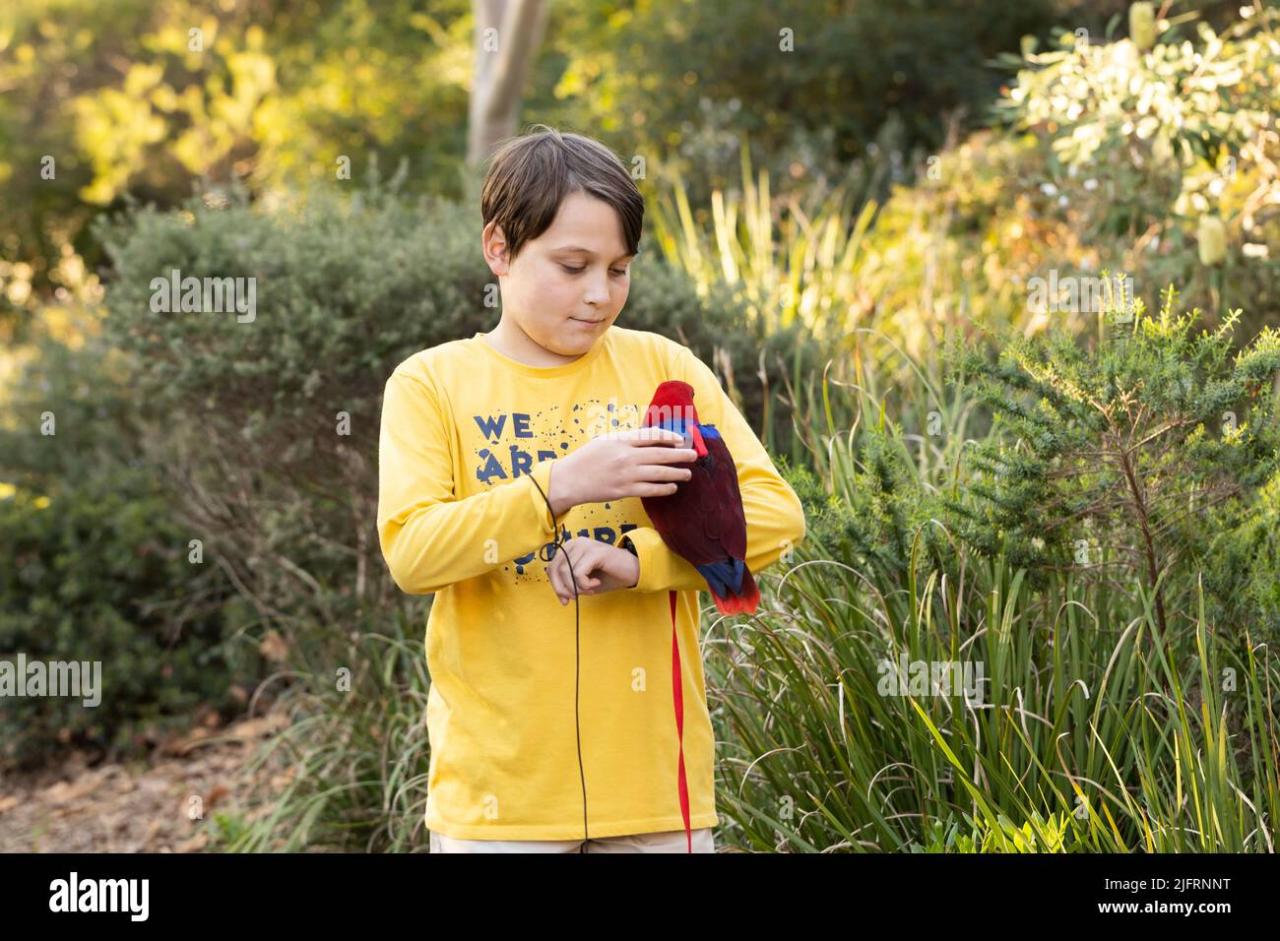
Proper harness use for parrots is crucial for their safety and well-being. Recognizing potential problems and having strategies to address them promptly can prevent accidents and ensure a positive experience for both you and your feathered friend. This section details potential issues, troubleshooting tips, and emergency procedures.Understanding potential issues with harness use allows proactive measures to maintain your parrot’s comfort and safety.
Early identification of discomfort or distress signs is key to preventing more serious problems.
Potential Problems with Harness Use
Parrots, like all animals, can react differently to harnesses. Potential problems range from minor discomfort to more serious safety concerns. Factors like improper fitting, material sensitivity, or fear can lead to resistance or struggles.
Troubleshooting Harness Issues
Addressing harness-related issues promptly is essential. If your parrot is showing signs of discomfort or struggling, carefully assess the situation.
- Harness too tight: A snug, but not constricting, fit is critical. If the harness is too tight, your parrot may exhibit signs of distress like panting, chirping excessively, or refusing to move. Check the tightness frequently, especially after the initial application, and adjust as needed. Ensure proper sizing for the individual parrot’s body and the harness’s design.
- Parrot struggling: Parrots might struggle due to fear, discomfort, or improper harness application. Avoid forcing the parrot into the harness. Gradually introduce the harness and allow the parrot to become accustomed to it. If the struggle persists, consult an avian veterinarian or a certified parrot trainer for guidance. Addressing the underlying cause of the struggle, such as fear of the harness or a new environment, is important.
Consider gradual exposure to the harness, using positive reinforcement techniques, and seeking professional advice if needed.
- Harness slipping: A slipping harness can cause discomfort and create a safety hazard. Ensure the harness is correctly fastened and the straps are adjusted securely. Consider using additional securing mechanisms or adjusting the fit to prevent slipping.
- Material sensitivity: Some parrots may have allergies or sensitivities to certain materials. Observe for signs of skin irritation, such as redness, itching, or self-preening. If sensitivity is suspected, consider changing the harness material.
Emergency Procedures and Accidents
Accidents can happen. Knowing what to do in case of an accident is vital.
- Immediate action: If your parrot experiences an accident, immediately remove the harness. Assess the injury and provide first aid as appropriate. Seek immediate veterinary care for any significant injury. Never attempt to handle a severely injured parrot alone. Contact a certified avian veterinarian or a wildlife rehabilitation center immediately.
- Record Keeping: Document any accidents, including the date, time, circumstances, and the parrot’s response. This information can be helpful for future reference and preventative measures. Document any changes in behaviour or physical appearance. This data can be helpful in diagnosing any underlying issues.
- Prevention: Accidents are often preventable. Ensure a safe environment for your parrot, secure the harness properly, and supervise activities involving the harness.
Signs of Discomfort or Distress
Recognizing signs of discomfort or distress is essential for timely intervention. Observe your parrot closely for any changes in behavior.
- Panting: Excessive panting can indicate overheating or discomfort.
- Vocalizations: Unusual or excessive vocalizations can signal distress.
- Changes in activity: Decreased activity or avoidance of certain areas may indicate discomfort.
- Feather plucking: Plucking can be a sign of stress or anxiety, and in some cases, a health issue. Monitor for other signs of distress.
Table of Common Issues and Solutions
| Issue | Possible Cause | Solution |
|---|---|---|
| Harness too tight | Incorrect sizing, improper adjustment | Adjust straps, check fit, consider a different harness size if necessary. |
| Parrot struggling | Fear, discomfort, improper application, or environment stress | Gradual introduction, positive reinforcement, ensure comfortable environment, consult a professional if needed. |
| Harness slipping | Loose fastening, improper adjustment | Secure fastening, check and adjust straps. |
| Parrot showing signs of distress | Pain, discomfort, fear, injury, or other medical conditions | Immediately remove the harness, seek veterinary care if needed. |
Harness Maintenance and Care
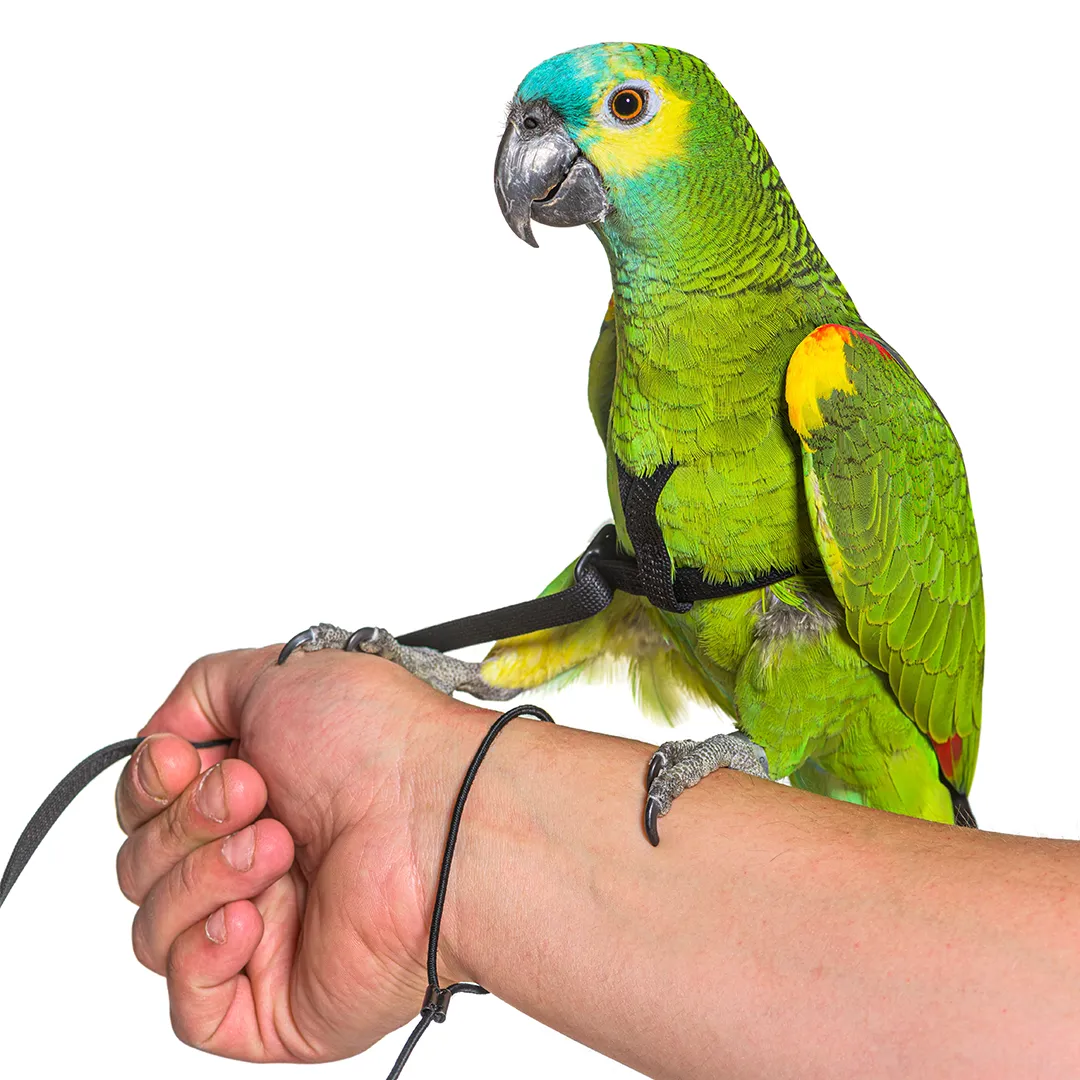
Proper maintenance of your parrot’s harness is crucial for its safety and well-being. Regular inspections and cleaning prevent the development of hazards, ensuring the harness remains functional and secure. Following a routine care plan extends the harness’s lifespan, allowing you to enjoy many enjoyable outings with your feathered companion.
Importance of Regular Harness Inspection
Regularly inspecting your parrot’s harness is paramount. Visual checks for wear and tear, such as frayed straps, loose stitching, or damaged buckles, are essential. A worn or damaged harness can compromise safety, potentially causing discomfort or injury to your parrot. These checks are particularly important before each use, and after any flight or activity.
Cleaning and Maintaining a Parrot Harness
Cleaning a parrot harness is straightforward. Use a soft-bristled brush to remove dust, dirt, and debris. For tougher stains, a mild, pet-safe soap and water solution is appropriate. Rinse thoroughly and allow the harness to air dry completely before re-using. Avoid using harsh chemicals or detergents that could damage the material.
A gentle cleaning approach is vital for preserving the harness’s structural integrity.
Replacing a Worn-Out Harness
It’s essential to replace a worn-out harness immediately. Signs of significant wear, such as frayed straps, loose stitching, or damage to the buckles, indicate that the harness is no longer safe for use. A damaged harness compromises the safety of your parrot and should be replaced promptly. Prioritizing safety is paramount.
Tips for Prolonging the Life of a Parrot Harness
Proper storage and handling can extend the lifespan of your parrot’s harness. Store the harness in a cool, dry place when not in use. Avoid leaving it exposed to direct sunlight or extreme temperatures. Proper handling also includes avoiding rough or forceful treatment. These simple practices will help maintain the harness’s integrity and functionality.
Supplies Needed for Harness Care
- Soft-bristled brush:
- Mild, pet-safe soap (such as unscented dish soap):
- Water:
- Towel or soft cloth for drying:
- Cool, dry storage area:
Using these supplies and the maintenance schedule, you can ensure your parrot’s harness remains a safe and reliable tool for many adventures. By consistently caring for your parrot’s harness, you contribute to their safety and well-being.
Final Summary
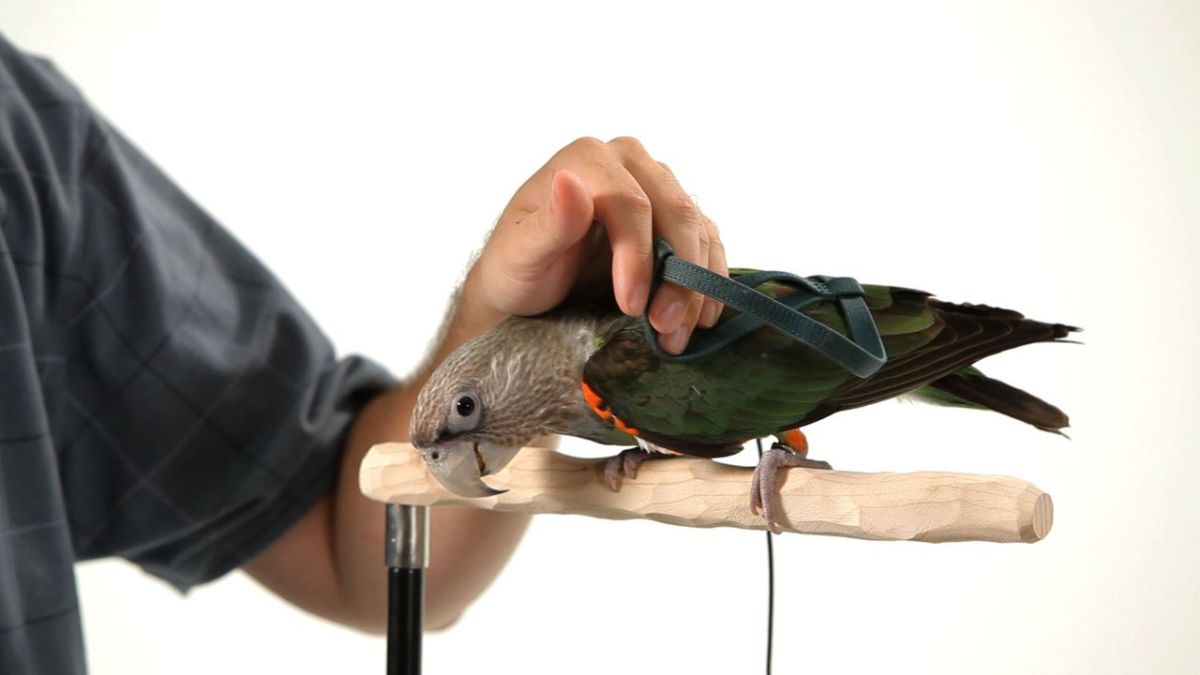
In conclusion, harnessing your parrot safely and effectively requires careful consideration, proper application, and ongoing maintenance. This guide has provided a comprehensive overview of the various aspects involved, from choosing the right harness to addressing potential issues. By following the steps Artikeld, you can provide your parrot with the freedom and security they deserve, while also ensuring their safety and well-being throughout their adventures.