Introducing new toys to parrots can be a rewarding experience for both you and your feathered friend. This comprehensive guide provides a detailed approach to encouraging your parrot to embrace new playthings, emphasizing a gentle and effective training strategy. Understanding your parrot’s individual preferences and employing the right techniques are crucial for success.
From understanding parrot preferences and selecting appropriate toys, to introducing them gradually and addressing potential resistance, this guide covers every step of the process. We’ll explore various methods, including positive reinforcement and desensitization, and offer strategies for long-term engagement.
Understanding Parrot Preferences
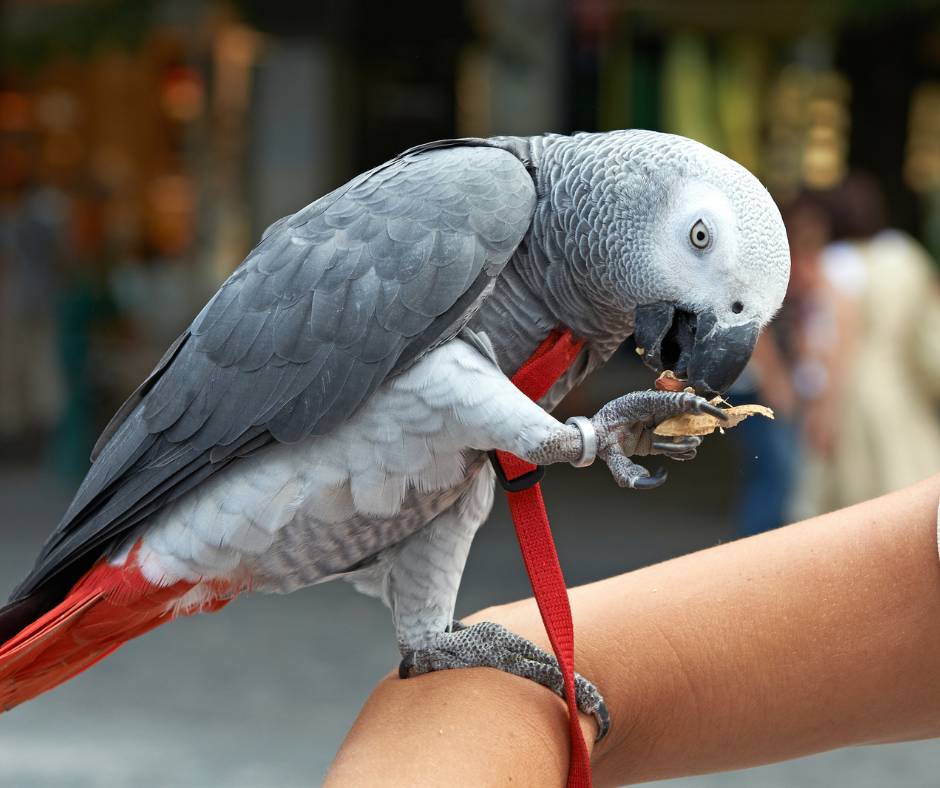
Parrots are renowned for their intelligence and engaging personalities, making them wonderful companions. Successfully introducing new toys to your parrot requires a nuanced understanding of their individual preferences and needs. This section delves into the diverse play styles of various parrot species and how to tailor toy choices to suit their unique characteristics.Parrots display a wide range of play preferences, influenced by their species, age, and individual temperament.
Recognizing these preferences is key to fostering a stimulating and enriching environment for your feathered friend. The following sections explore the factors that shape parrot play styles and the traits to look for in toys that maximize engagement.
Parrot Species and Play Preferences
Different parrot species exhibit distinct play styles. Macaws, renowned for their size and strength, often enjoy toys that provide ample opportunities for chewing and manipulating large objects. Smaller species, such as budgies or cockatiels, might be more drawn to smaller, intricate toys that allow for dexterity and exploration. Species with a history of foraging in the wild often exhibit a strong preference for toys that mimic natural foraging behaviors, such as puzzles or toys that require problem-solving.
Common Preferences in Parrot Toys
Parrots, in general, are attracted to toys that offer a variety of sensory experiences. Bright colors, contrasting textures, and unusual shapes tend to pique their interest. Movement is also a crucial element; toys that rotate, swing, or make noise often hold their attention. The appeal of novelty is a significant factor; parrots are often stimulated by new and engaging items, highlighting the importance of regular toy rotation and introduction of novelties.
Parrots also exhibit a strong preference for toys that allow for interaction, manipulation, and problem-solving.
Individual Parrot Personality and Temperament
Each parrot has a unique personality. Some parrots are more boisterous and active, while others are more reserved and cautious. Observe your parrot’s behavior to determine their preferred play style. A playful, energetic parrot may be drawn to toys with more complex designs or movement, whereas a calmer parrot might find simple, textured toys more engaging. Matching the toy to the parrot’s temperament and play style will significantly improve the likelihood of successful engagement.
Identifying Disinterest in New Toys
Recognizing when a parrot is not interested in a new toy is essential for their well-being. Signs of disinterest may include complete ignoring of the toy, avoiding the toy altogether, or exhibiting signs of stress or agitation, such as hissing, feather-ruffling, or vocalizations. If your parrot shows any signs of distress or discomfort, remove the toy and try again with a different item at a later time.
Examples of Engaging Parrot Toys
A variety of toys can be used to stimulate a parrot’s interest and engagement. These include foraging toys that mimic natural foraging behaviors, puzzles that require problem-solving, toys with varied textures and colors, and toys that provide opportunities for chewing and manipulation. Examples include foraging pouches filled with treats, rope toys with bells, and colorful wooden blocks.
Introduction Methods
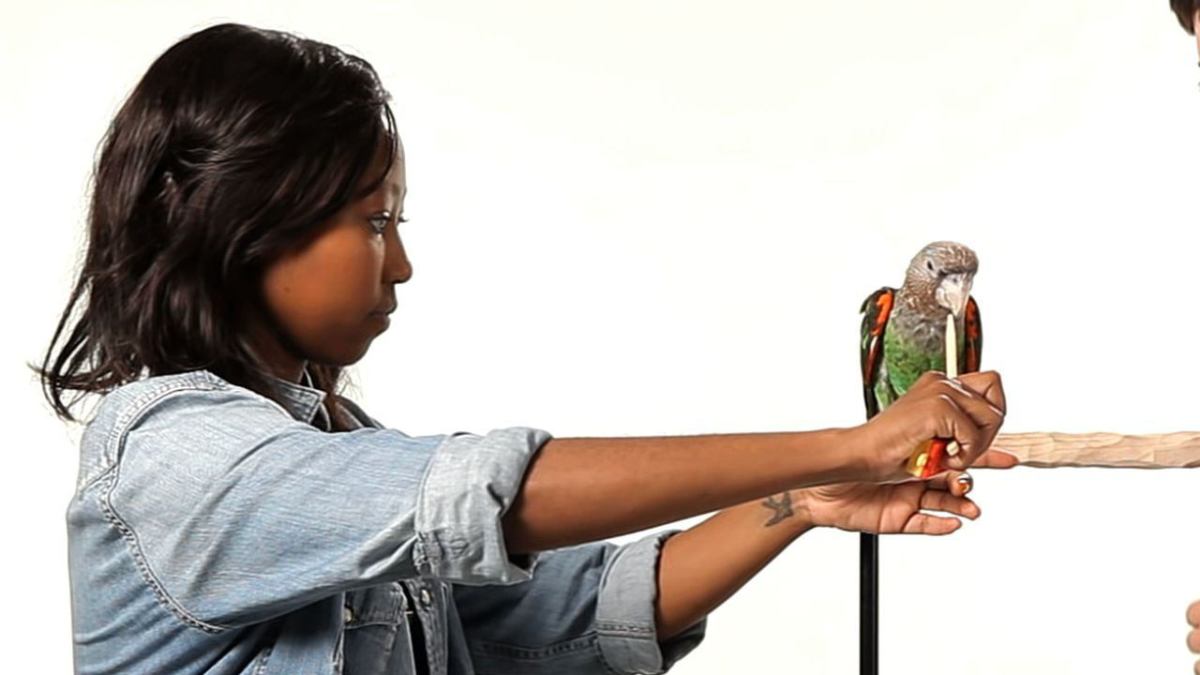
Introducing a new toy to a parrot requires a gentle and patient approach, building on the parrot’s existing preferences and comfort level. A well-structured introduction process, utilizing appropriate methods, significantly increases the chances of positive interaction and acceptance. Understanding your parrot’s personality and previous experiences with novel objects is crucial for a successful introduction.Careful planning and execution are essential for introducing a new toy to your parrot.
The introduction should be gradual, allowing the parrot to acclimate to the presence and characteristics of the toy without overwhelming or frightening it. This approach minimizes stress and promotes a positive association with the new item.
Step-by-Step Introduction Procedure
A gradual introduction method is key to success. Start by placing the new toy in the parrot’s cage, ideally in a location where it’s not directly in the path of the parrot’s normal activities. Avoid forcing interaction. Observe the parrot’s reaction. If the parrot displays curiosity or gentle exploration, proceed to the next step.Subsequently, allow the parrot short periods of interaction with the toy, for example, 5-10 minutes.
Gradually increase the interaction time as the parrot shows comfort and interest. This method is vital in creating a positive association with the toy. Monitor the parrot’s body language; if it shows signs of stress (such as feather ruffling, hissing, or avoidance), immediately remove the toy and try again later. This is a crucial step in preventing negative associations.
Comparison of Introduction Methods
| Method | Procedure | Pros | Cons |
|---|---|---|---|
| Positive Reinforcement | Offer a highly desirable treat (a favorite food or a favorite toy) every time the parrot interacts with the toy, even in a subtle way, like touching it or looking at it. Gradually increase the required level of interaction to engage with the toy (e.g., touching, moving, playing). | Encourages positive associations with the toy, increases the likelihood of future interaction, builds trust and a positive relationship with the owner. | Requires consistent rewards and patience. Can be challenging if the parrot is not motivated by the specific rewards offered. |
| Distraction | Introduce the toy while the parrot is engaged in another activity, like playing with a familiar toy or eating. The idea is to briefly interrupt their current activity with the new item. Gradually increase the duration of exposure to the new toy. | Can be helpful for parrots who are initially apprehensive about new objects. The distraction prevents the parrot from focusing solely on the new item, reducing anxiety. | Effectiveness depends on the parrot’s current activity and the parrot’s ability to shift focus quickly. May not be suitable for highly focused or territorial parrots. |
| Desensitization | Gradually expose the parrot to the toy, starting with a very short distance or a visual cue only. Increase the intensity or proximity of the toy over time. The key is to make the interaction less threatening. Avoid forcing interaction. | Helpful for overcoming fear-based resistance to new items. The gradual exposure allows the parrot to acclimate without overwhelming stress. | Requires significant patience and observation to identify the optimal level of exposure. The parrot may show signs of distress if the introduction is too fast. |
Strategic Use of Rewards
Rewards play a vital role in encouraging interaction with a new toy. Choose a reward that is highly desirable to your parrot, such as a favorite food item or a small, novel toy. The reward should be presented immediately after the parrot displays any desired interaction with the new toy, reinforcing the positive behavior. Avoid using rewards inconsistently; this can confuse the parrot and hinder the effectiveness of the training.
Patience and Consistency
Patience and consistency are paramount in introducing a new toy. The introduction process may take several days or even weeks, depending on the parrot’s individual temperament and past experiences. It is essential to avoid rushing the process. Consistency in the method and the delivery of rewards is critical for the parrot to understand the expected behavior. Maintaining a calm and patient demeanor throughout the introduction process is vital in creating a positive association with the new toy.
Encouraging Play and Exploration
Introducing a new toy to a parrot requires more than just placing it in their enclosure. Encouraging exploration and play is crucial for acceptance and ensuring the toy becomes a valuable part of their enrichment routine. A well-designed approach helps the parrot associate the toy with positive experiences, fostering a lasting interest.Parrots are naturally curious creatures, and providing opportunities for interactive play with new toys fosters their innate desire to explore and engage.
This engagement strengthens their cognitive abilities and promotes overall well-being. By creating a stimulating environment, you’re not only satisfying their curiosity but also providing mental stimulation, vital for a happy and healthy parrot.
Activities to Encourage Exploration
Providing a variety of engaging activities with a new toy is essential for fostering exploration and engagement. These activities should be tailored to the parrot’s individual interests and preferences.
- Sensory Exploration: Allow the parrot to investigate the toy’s textures, colors, and sounds. This initial exploration phase is vital for developing a familiarity with the new object. For example, a parrot might enjoy batting at a toy with a crinkle sound or meticulously examining a toy with varied textures.
- Manipulative Play: Encourage the parrot to manipulate the toy in various ways. This could involve pushing, pulling, or twisting the toy. A parrot may enjoy trying to open a puzzle toy or move items within a container toy. Providing different types of manipulation opportunities is key to encouraging varied engagement.
- Problem-Solving Tasks: Introduce toys that require problem-solving skills. This could involve puzzles that release food or toys with hidden treats. A parrot engaging with these types of toys will develop cognitive skills and satisfy their natural foraging instincts.
- Foraging Games: Hide small treats or seeds within or around the toy to encourage foraging behavior. This encourages natural behaviors while associating the toy with positive reinforcement. This could involve scattering seeds around a toy that the parrot has to uncover, creating a foraging activity.
Making Toys More Appealing
Making the toy more appealing can be achieved through several strategies, tailoring the presentation to the parrot’s individual preferences.
- Stimulating Visuals: Bright colors, shiny surfaces, and moving parts can attract a parrot’s attention. A toy with colorful patterns or a mirrored surface can spark interest. Combining multiple sensory elements, like colorful bells, enhances appeal.
- Sensory Stimulation: Incorporate elements like crinkle paper, bells, or rustling fabrics to add sensory excitement. A toy with a combination of textures and sounds can provide a more enriching experience. Consider a toy with different textures to engage different senses, such as smooth plastic, textured wood, or a crinkle element.
- Scent and Taste: Using scented toys, or strategically placing flavorful treats within or near the toy, can make it more enticing. Consider a scented toy that complements a favorite treat, enhancing the parrot’s engagement with the toy.
- Novelty: Introduce the toy in a new and interesting way. This could involve placing the toy in a different location in the cage or rotating the toy to present new aspects. Rotating the toy’s position or placing it in an unusual location can maintain interest.
Interactive Games
Interactive games with the new toy can help maintain interest and ensure the toy becomes a valued part of the parrot’s daily routine.
- Hide-and-Seek: Hide treats or small toys inside or around the new toy, encouraging the parrot to discover them. The parrot can develop problem-solving skills as they search for the hidden items.
- Target Training: Use the toy as a target for training commands, such as “step up” or “take.” This turns play into a learning experience. Use a bell or similar sound-producing item on the toy as a cue to encourage participation.
- Rotation: Rotate the new toy with other toys regularly. This helps to prevent boredom and maintain engagement with the new toy.
Enrichment Activities
Using the new toy in conjunction with other enrichment activities is an effective strategy for enhancing engagement and interest.
- Combining with Foraging: Hide food items within the toy or around the cage, combining the toy with a foraging activity. This stimulates natural foraging behaviors while engaging with the new toy.
- Using with Puzzle Toys: Combine the new toy with puzzle toys that require problem-solving to access food or rewards. Combining the two types of toys provides a multi-faceted enrichment experience.
Modifying Existing Toys
Modifying existing toys can encourage new play styles and maintain interest.
- Adding Accessories: Adding bells, mirrors, or other sensory elements to existing toys can increase their appeal. Adding small bells or crinkle paper to a wooden toy can enhance its sensory engagement.
- Changing Locations: Changing the location of the toy within the cage can introduce a new perspective and maintain interest. Placing the toy in different areas of the cage can offer fresh opportunities for exploration.
Addressing Resistance to New Toys
Introducing new toys to a parrot can sometimes be met with resistance. Understanding the reasons behind this reluctance is crucial for successful integration and enrichment. Parrots, like humans, possess unique personalities and preferences, which can influence their response to novel objects. This section will explore common reasons for resistance, strategies for overcoming it, and methods for adapting your approach based on the parrot’s specific reactions.Resistance to new toys is a common challenge for parrot owners.
It stems from various factors, ranging from fear of the unknown to negative past experiences. By understanding the potential underlying causes, owners can implement appropriate strategies to encourage a positive interaction with the new toy.
Common Reasons for Resistance
Parrots may resist new toys due to a variety of factors. Fear of the unfamiliar is a primary concern, particularly if the toy’s appearance or sound differs significantly from those the parrot is accustomed to. Negative past experiences, such as a toy causing discomfort or injury, can also lead to avoidance. Sensory sensitivities, such as being overly stimulated by bright colours or noisy components, can also contribute to resistance.
Furthermore, a parrot might simply not find the toy engaging or appealing. Lastly, boredom with existing toys can lead a parrot to ignore new offerings.
Strategies for Overcoming Resistance
Several strategies can help overcome a parrot’s reluctance to accept new toys. A gradual introduction process is crucial. Start by placing the toy near the parrot’s usual perches or feeding area, without forcing interaction. Allow the parrot to approach the toy at its own pace. Positive reinforcement plays a vital role in this process.
Rewarding any curiosity or interaction with the toy, even a slight touch or a glance, reinforces positive associations. This can involve treats, praise, or access to a favourite activity.
Assessing the Reasons for Resistance
Observing the parrot’s body language is crucial for understanding the underlying cause of resistance. Signs of fear, such as ruffled feathers, hissing, or avoidance, indicate potential anxiety. If the parrot displays signs of discomfort, such as excessive preening or beak grinding, this may suggest sensory sensitivity. If the parrot shows no interest in the toy, this might be due to boredom or a lack of perceived appeal.
By paying attention to these subtle cues, you can better understand the parrot’s perspective and adjust your approach accordingly.
A Step-by-Step Procedure
A systematic approach is vital for introducing new toys. Begin by placing the toy in a location visible to the parrot but not directly in front of it. Observe the parrot’s response. If the parrot displays no fear or aggression, slowly move the toy closer. Reward any curiosity or interaction with positive reinforcement.
If the parrot shows signs of fear or discomfort, retreat to the previous location and try again another time. Repeat this process, gradually increasing the proximity and engagement with the toy. Important: Avoid forcing interaction.
Adjusting the Introduction Process
The effectiveness of the introduction process depends on the parrot’s individual responses. If the parrot shows significant fear or discomfort, the introduction should be slowed down considerably, perhaps even temporarily suspended. If the parrot is initially curious but loses interest, consider changing the toy’s position, or introducing a new toy. Adjust the environment to enhance the appeal.
For example, placing the toy near a favourite perch or food source can encourage exploration. Adapting to the parrot’s individual needs is essential for successful integration.
Long-Term Engagement and Maintenance
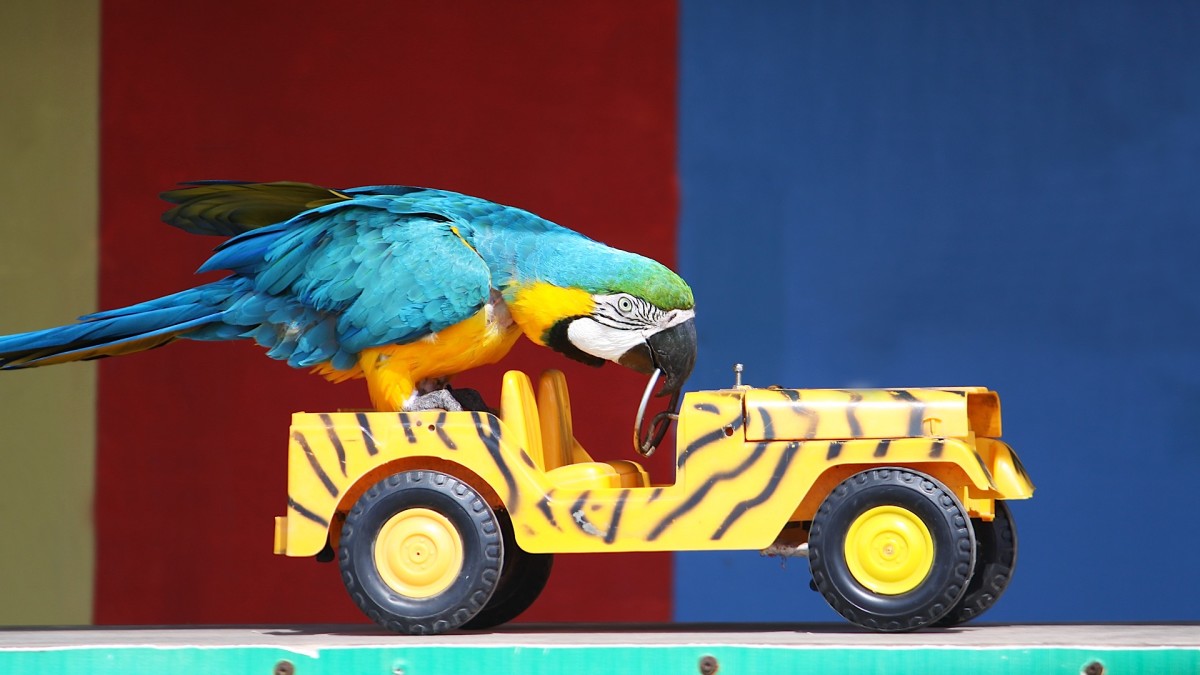
Maintaining a parrot’s interest in new toys is crucial for their mental and physical well-being. A bored parrot is less likely to engage in enriching activities, potentially leading to behavioral issues. A proactive approach to toy rotation and engagement strategies is vital for ensuring continued enjoyment and preventing boredom.A well-designed plan for toy rotation and engagement can significantly impact a parrot’s overall happiness and development.
This approach involves careful consideration of the parrot’s individual preferences and a proactive strategy for introducing and replacing toys.
Maintaining Interest Over Time
To maintain a parrot’s interest in a new toy, it’s essential to understand that novelty wears off. Therefore, strategies for keeping toys engaging over the long term are vital. Regularly rotating toys can re-introduce the element of surprise and challenge, while keeping the parrot stimulated. This approach ensures the parrot does not become complacent or lose interest in exploration.
Rotating Toys for Continued Engagement
A well-structured toy rotation plan is critical for preventing boredom. This plan should consider the parrot’s preferences and the complexity of the toys. A simple rotation schedule might involve replacing a toy after a week or two with a new one, while a more complex plan could involve rotating toys based on the parrot’s current interests and engagement levels.
For example, a parrot that initially shows strong interest in a puzzle toy might gradually lose interest as it masters the challenges. Replacing it with a new, slightly more challenging puzzle can re-ignite interest. The key is to keep the challenge level just above the parrot’s current skill set.
Preventing Boredom
Preventing boredom involves a multi-faceted approach. The complexity of toys, the variety of textures, and the level of challenge should all be considered. For example, a parrot that enjoys foraging might find a simple food puzzle boring after mastering it. Introducing a more complex puzzle, with hidden compartments and multiple layers of challenges, could revitalize the parrot’s interest.
The variety of materials and activities can also help keep the parrot engaged. A toy that combines different materials, textures, and activities will often maintain interest longer than a single-purpose toy.
Monitoring Interaction and Identifying Signs of Wear
Regularly observing the parrot’s interaction with the toy is crucial. Signs of wear and tear should be carefully monitored. A damaged toy can be a safety hazard and may cease to stimulate the parrot. Early detection and replacement of damaged toys are essential for the parrot’s safety and continued enjoyment.
Periodic Introduction of New Toys
Introducing new toys periodically is crucial for maintaining a parrot’s interest and engagement. A planned approach is essential, and this should consider the parrot’s existing preferences. For example, if the parrot enjoys foraging, new foraging toys with different textures or challenges should be introduced to keep the activity interesting. This method of introducing new toys keeps the parrot mentally stimulated and prevents boredom.
Examples of Specific Toy Types
Providing a diverse range of toys is crucial for stimulating parrots’ natural behaviors and ensuring their overall well-being. Parrots are highly intelligent creatures with complex needs, and appropriate toys can engage their minds, bodies, and social interactions. A carefully curated selection of toys, tailored to individual species and personalities, will enrich their lives and promote their physical and mental health.
Natural Branches and Twigs
Natural branches and twigs provide parrots with opportunities for foraging, chewing, and exploring textures. These materials offer valuable enrichment and can mimic natural foraging behaviors. When selecting branches, ensure they are free of pesticides, herbicides, and other harmful substances. Thoroughly inspect and clean them before offering them to your parrot.
- Characteristics: Natural branches offer varied textures, stimulating chewing and foraging behaviors. They can be used for climbing and perching, promoting physical activity.
- Introduction: Introduce branches gradually, observing the parrot’s response. Begin with a small, manageable branch and increase the size as the parrot becomes accustomed to it. Supervise the parrot’s interaction with the branch, ensuring they are not ingesting any harmful substances.
- Adaptation: Different parrot species have varying chewing preferences. Offer branches with different thicknesses and textures to cater to these needs. Consider the size and strength of the parrot when choosing a branch.
- Engagement: Present the branch in a stimulating environment, potentially near other toys or perches. Encourage foraging by placing food items on or near the branch.
- Variety: Offer a variety of branches, including those with bark, buds, and different diameters, to cater to varied textures and chewing preferences.
Foraging Toys
Foraging toys, designed to mimic natural foraging behaviors, provide parrots with mental stimulation and physical activity. These toys often involve hiding food within the toy’s structure, requiring the parrot to work for their reward.
- Characteristics: These toys present a complex challenge that encourages problem-solving and exploration. They are usually filled with compartments, tubes, or puzzles, requiring the parrot to manipulate the toy to access the hidden treats.
- Introduction: Begin by hiding small, familiar treats inside the toy. Gradually increase the complexity of the toy as the parrot becomes more proficient. Observe the parrot’s interaction and adjust accordingly.
- Adaptation: Adjust the difficulty of the foraging toy based on the parrot’s age and experience. Offer different types of treats to maintain interest and variety.
- Engagement: Place the foraging toy in a prominent location within the parrot’s enclosure. Ensure the toy is within reach and engaging for the parrot.
- Variety: Provide foraging toys with different structures, compartments, and levels of difficulty to keep the parrot motivated and engaged.
Puzzle Toys
Puzzle toys, with various challenges, offer opportunities for problem-solving and cognitive stimulation. They can be designed to dispense treats or require manipulation to access food.
- Characteristics: These toys often have levers, wheels, or other mechanisms that the parrot must manipulate to release a treat. The complexity varies greatly, allowing for adjustments based on the parrot’s abilities.
- Introduction: Start with a simple puzzle toy and gradually increase the complexity as the parrot masters the previous levels. Supervise the parrot’s interaction to prevent frustration.
- Adaptation: Select puzzle toys appropriate for the parrot’s size and cognitive abilities. Offer a variety of textures and shapes to stimulate tactile exploration.
- Engagement: Position the puzzle toy in a central area within the parrot’s cage. Provide a variety of treats and reward the parrot for its success.
- Variety: Offer different types of puzzle toys, including those that involve rotating parts, sliding components, and manipulating levers, to maintain interest.
Last Recap
Successfully introducing new toys to your parrot requires patience, consistency, and a deep understanding of their unique personalities. By following the methods Artikeld in this guide, you can create a stimulating and enriching environment that promotes your parrot’s well-being and fosters a strong bond between you. Remember that each parrot is an individual, and adapting the techniques to their specific needs is key to a positive outcome.